Skin cancer risk, hair loss, razor issues, and aesthetic concerns, handled in one visit
Men's skin and hair issues are not automatically identical to women's. Higher skin cancer risk because of more lifetime sun exposure. Faster-moving pattern hair loss. Razor-related irritation and ingrown hairs. Deeper-rooted acne and folliculitis. Our providers see the full range of men's skin and hair concerns and can often address multiple issues in one visit.
All nine of our North Georgia and Metro Atlanta offices see men. Most concerns can be handled at any location.

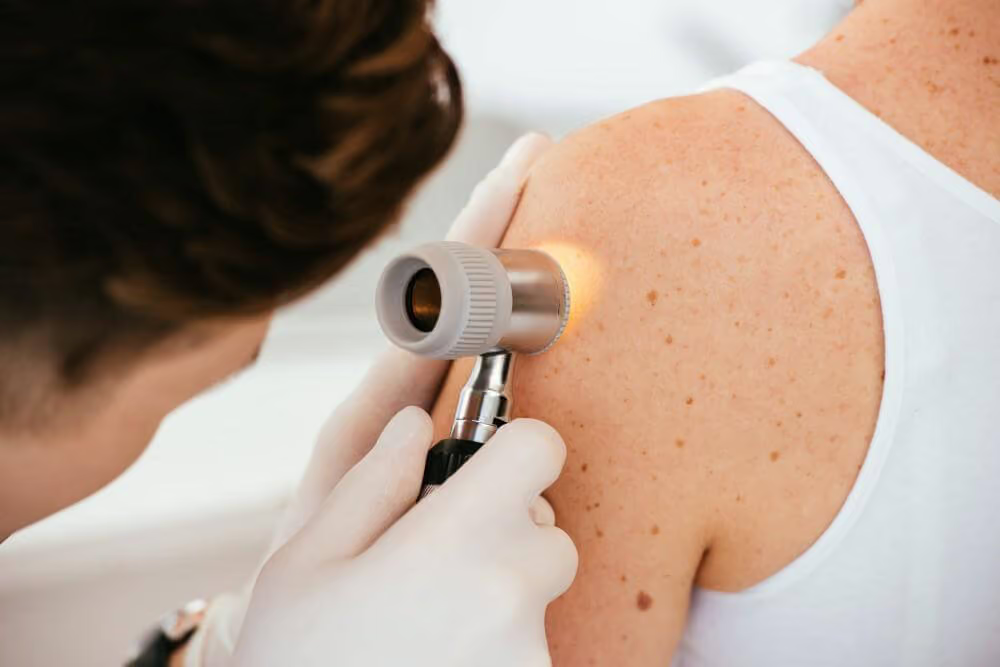
Skin cancer risk is the biggest one. Men over 50 have higher rates of melanoma than women of the same age, in part because melanomas in men often show up on the back, scalp, and neck, which are harder areas for patients to self-examine. Yearly full body exams are the single most effective intervention, and most basal and squamous cell cancers are curable in one visit when caught early. Many of the men we see for a first full body exam leave with at least one precancerous spot treated and a baseline photograph set to compare against next year.
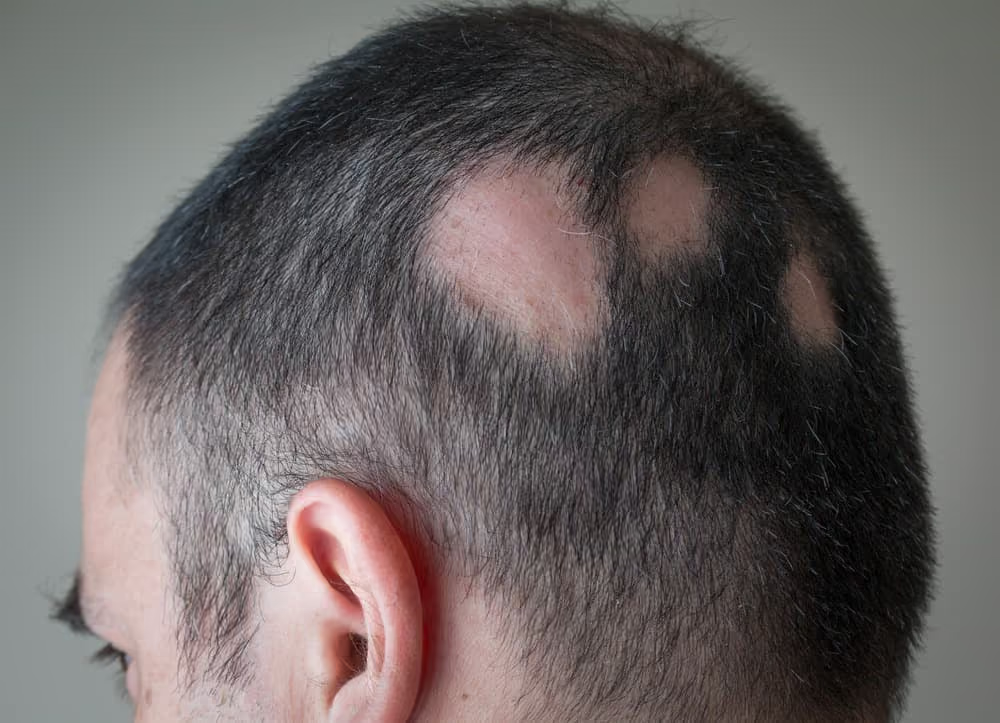
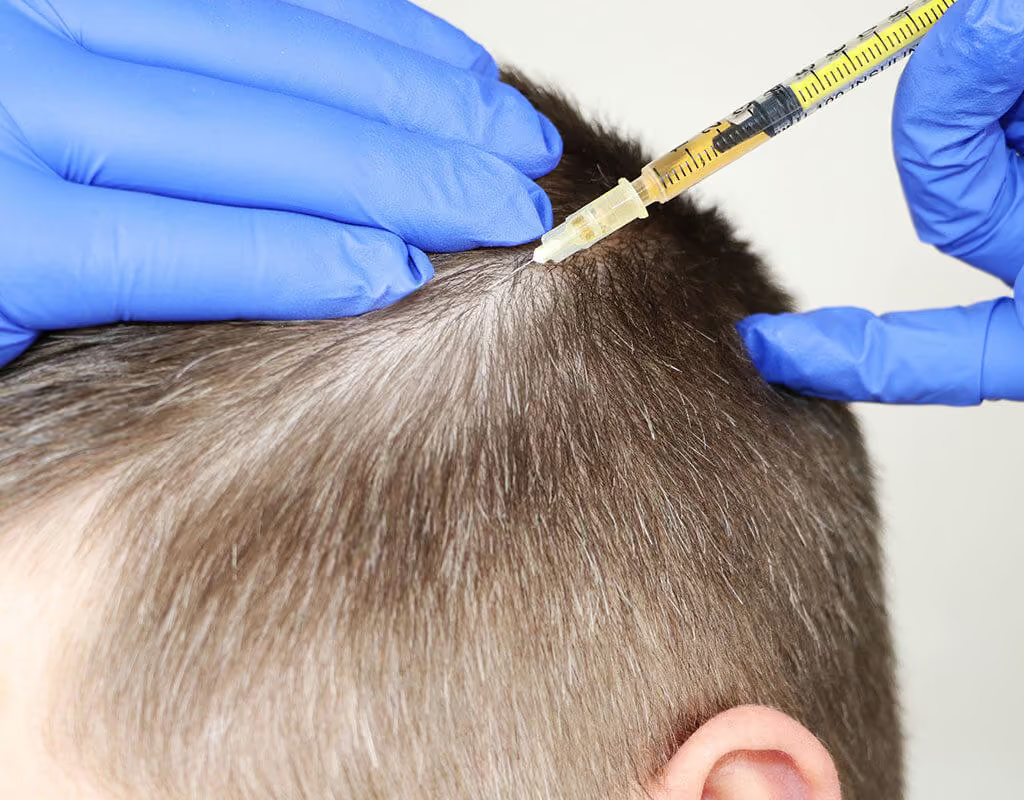
Pattern hair loss is the second most common reason men come in. Male pattern hair loss is genetic, progressive, and manageable. Early treatment with minoxidil and finasteride is far more effective than delayed treatment, and the gap in results between early and late starters is often the difference between keeping most of the hair you have and not. PRP hair restoration adds another option for patients who prefer something more active. We walk through each option honestly, including the risks and the maintenance required.
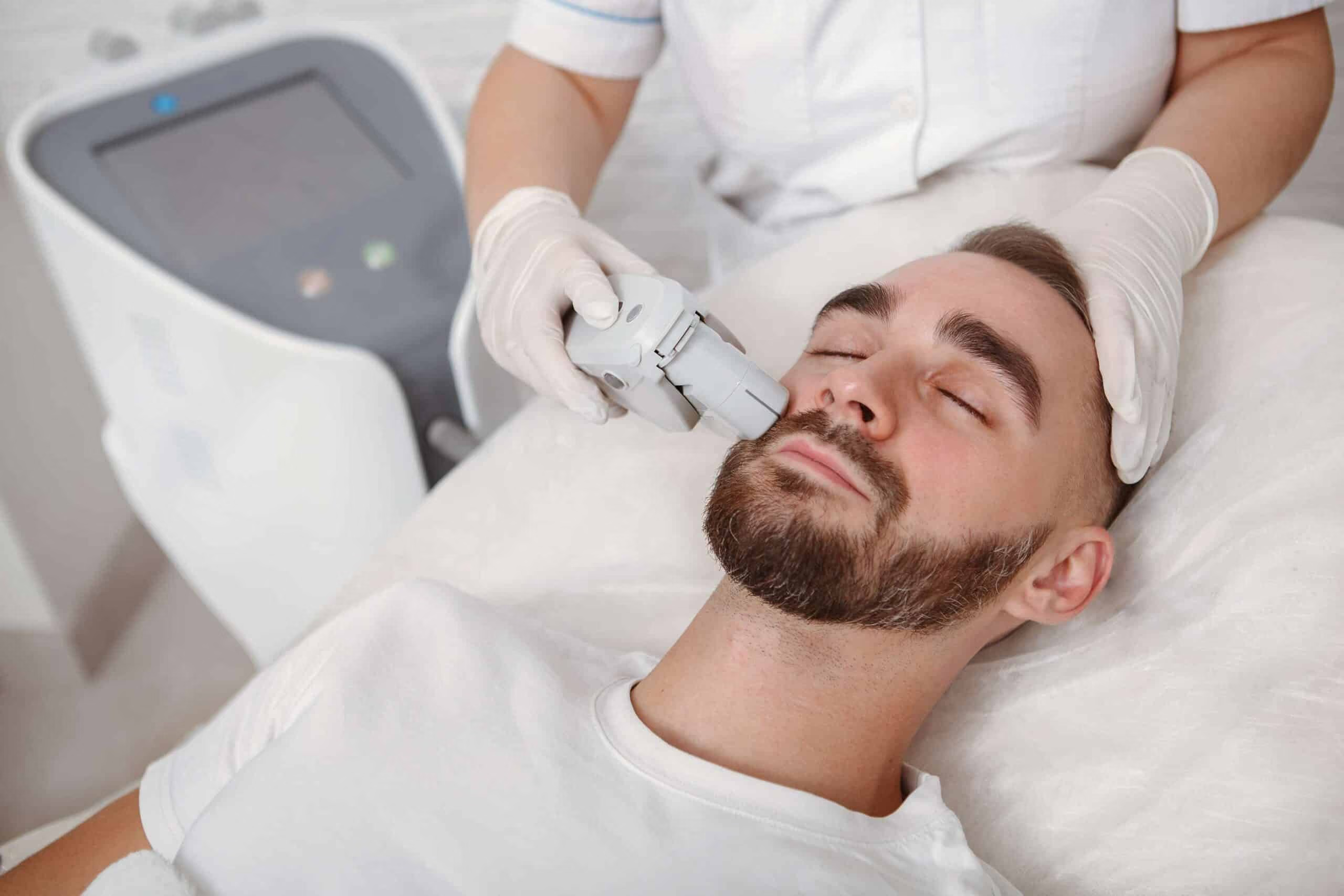
Razor-related issues come in third. Pseudofolliculitis barbae, or razor bumps, is a chronic issue especially common in men with coarse or curly hair. It responds to a combination of technique changes, topical treatments, and sometimes laser hair reduction for patients who want a long-term solution. Ingrown hairs, folliculitis, and post-shave irritation usually respond to changes in razor, technique, and prescription-strength topical treatment. Chronic cases sometimes benefit from laser hair removal, which is effective for most skin types when done properly.
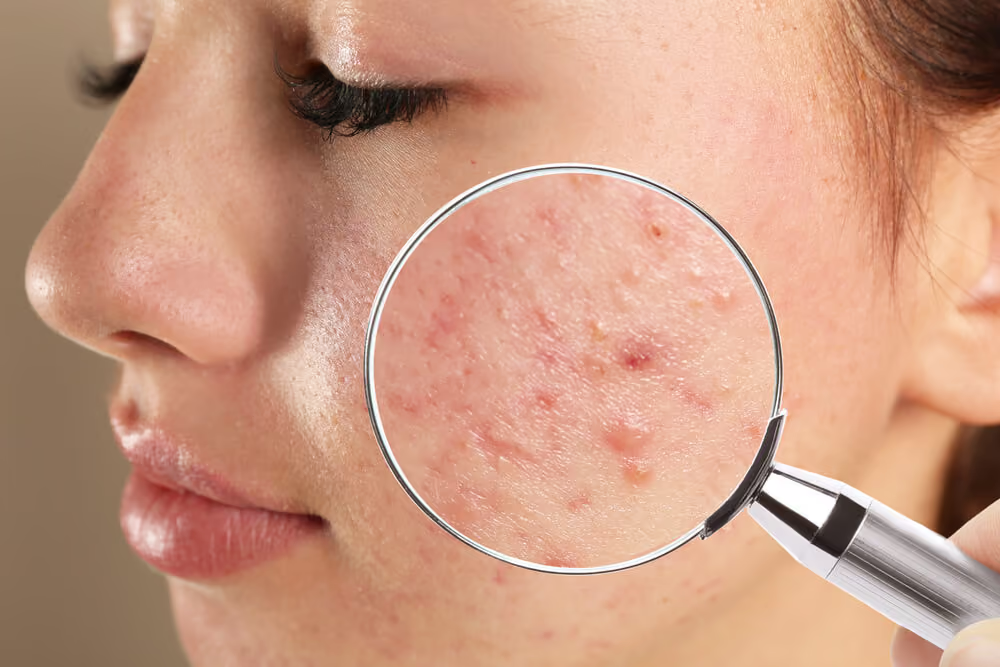
Adult acne and body acne round out the top four. Truncal acne, the technical term for back and chest acne, affects many adult men and often goes untreated because the skin is out of sight. Treatment is very effective and usually follows the same logic as teen acne but adjusted for adult skin and adult schedules. For patients with scarring risk or cystic acne, isotretinoin can be life-changing.
Beyond these four, we handle the full range of medical dermatology for men including psoriasis, eczema, warts, skin tags, cysts, and anything unusual that shows up. If you noticed something, it is worth a visit. Most issues have a clear explanation and a straightforward treatment.
The most common reason men book with us is a full body skin check, often after a spouse or partner finally insisted. Skin cancer risk is real for men, and rates of melanoma are higher in men than in women after age 50. The second most common reason is hair loss, usually pattern thinning or sudden shedding. Third is chronic skin irritation from shaving or sports. Fourth is acne, especially back and chest acne that persists into adulthood.
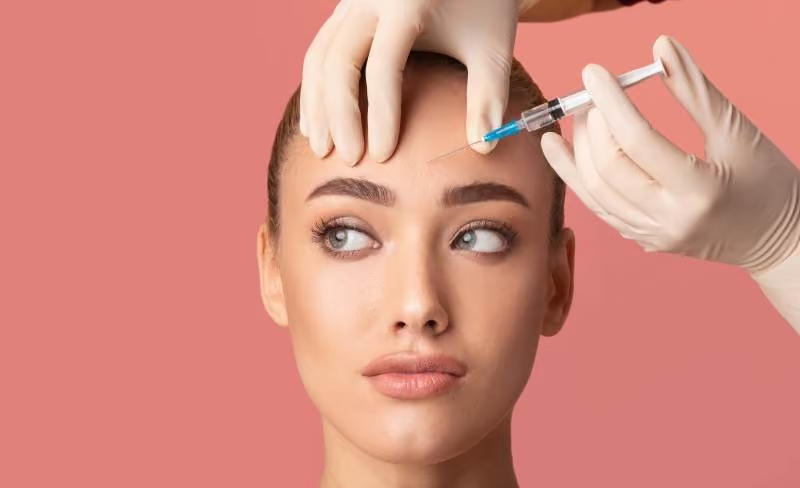
We also see men for aesthetic concerns. More men are choosing Botox for strong expression lines, filler for volume loss, laser treatments for sun damage, and aesthetic care for aging skin overall. None of that is unusual or off limits. All of our aesthetic providers are experienced with male patients.
We do not dress up options in soft language. You get a clear read on what is going on, what the realistic options are, and what each one costs. You decide from there.
Most men prefer to handle multiple concerns in one visit rather than book three separate appointments. Our team groups things together when it makes sense. A full body exam, a hair loss evaluation, and a prescription for razor bumps can all happen in the same hour.
If hair loss is the concern, we offer prescription medication, topical treatments, PRP injections, and Nutrafol supplements in one program. Your treatment is matched to your goals and followed over months for consistency.
The first visit is usually a combination appointment. We do a full body skin exam, walk through any specific concerns you brought up, and lay out a plan for anything we find. Most men are in and out in under 45 minutes.
For hair loss, we examine the scalp, check the pattern, and talk through what has been tried. Options range from over-the-counter minoxidil and supplements to prescription finasteride and PRP hair restoration injections. We match the plan to how aggressive you want to be and what you are willing to maintain.
For skin cancer screening, the exam is the same full body approach described in our Annual Skin Check service. For suspicious spots, biopsies happen the same visit when possible.
Most insurance plans do not require a referral to see a dermatologist. Our team confirms with your plan before the visit.
Yes. Our aesthetic providers have extensive experience with male patients. Men typically need different dosing patterns and different placement than women because of muscle differences. Our team accounts for that.
At the first visit we evaluate the pattern and cause of hair loss, discuss options, and build a plan. Most plans include a prescription, a topical, supplements, and optional PRP sessions every few months. We track progress with photos over six to twelve months.
We examine only the areas you are comfortable having examined. You stay in control throughout. Most exams include head to ankle with underwear on.
Please give us a call and we will be happy to answer all your questions or concerns you may have.