Acne Treatment

Clear skin starts with expert dermatological care

Medical Dermatology
Overview

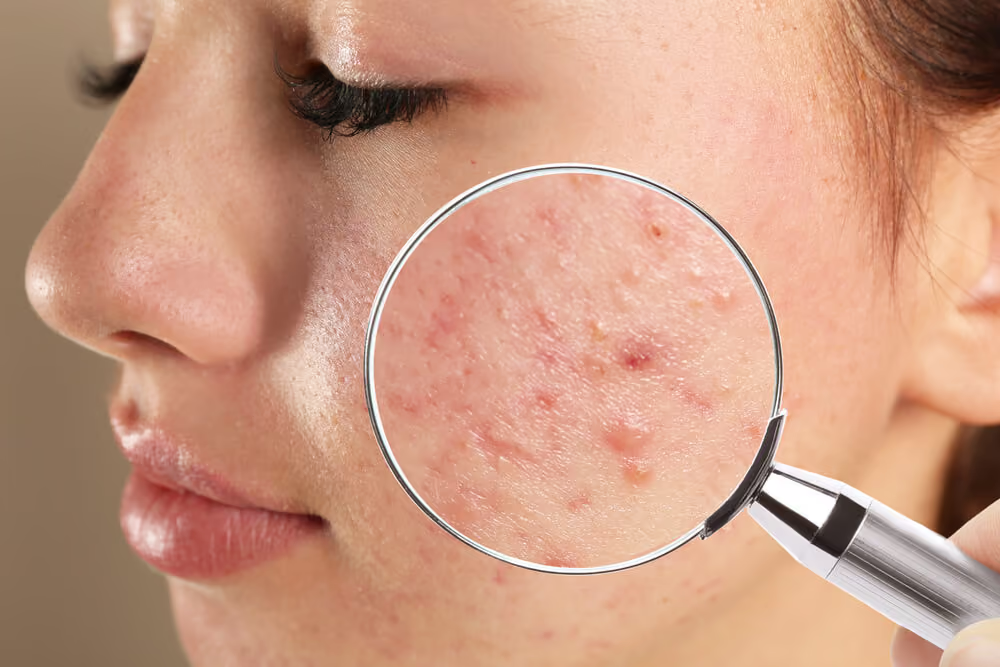
Acne is the most common skin condition in the United States, affecting around 50 million people each year. It happens when oil, dead skin cells, and bacteria clog the pores in your skin, leading to whiteheads, blackheads, papules, pustules, nodules, and deep cysts. Although acne often starts during the teenage years, it can persist or appear for the first time well into your 30s, 40s, and beyond, especially in women.

At Cleaver Dermatology and Aesthetics, our board-certified dermatologists treat every form of acne, from a few stubborn breakouts to widespread cystic disease. With nine offices across North Georgia and Metro Atlanta in Cumming, Alpharetta, Johns Creek, Canton, Gainesville, Dawsonville, Dahlonega, Toccoa, and Lavonia, we make specialty care convenient. Treating acne early matters because it lowers the chance of permanent scarring and the dark marks that can linger for months after a breakout heals.
Common Symptoms

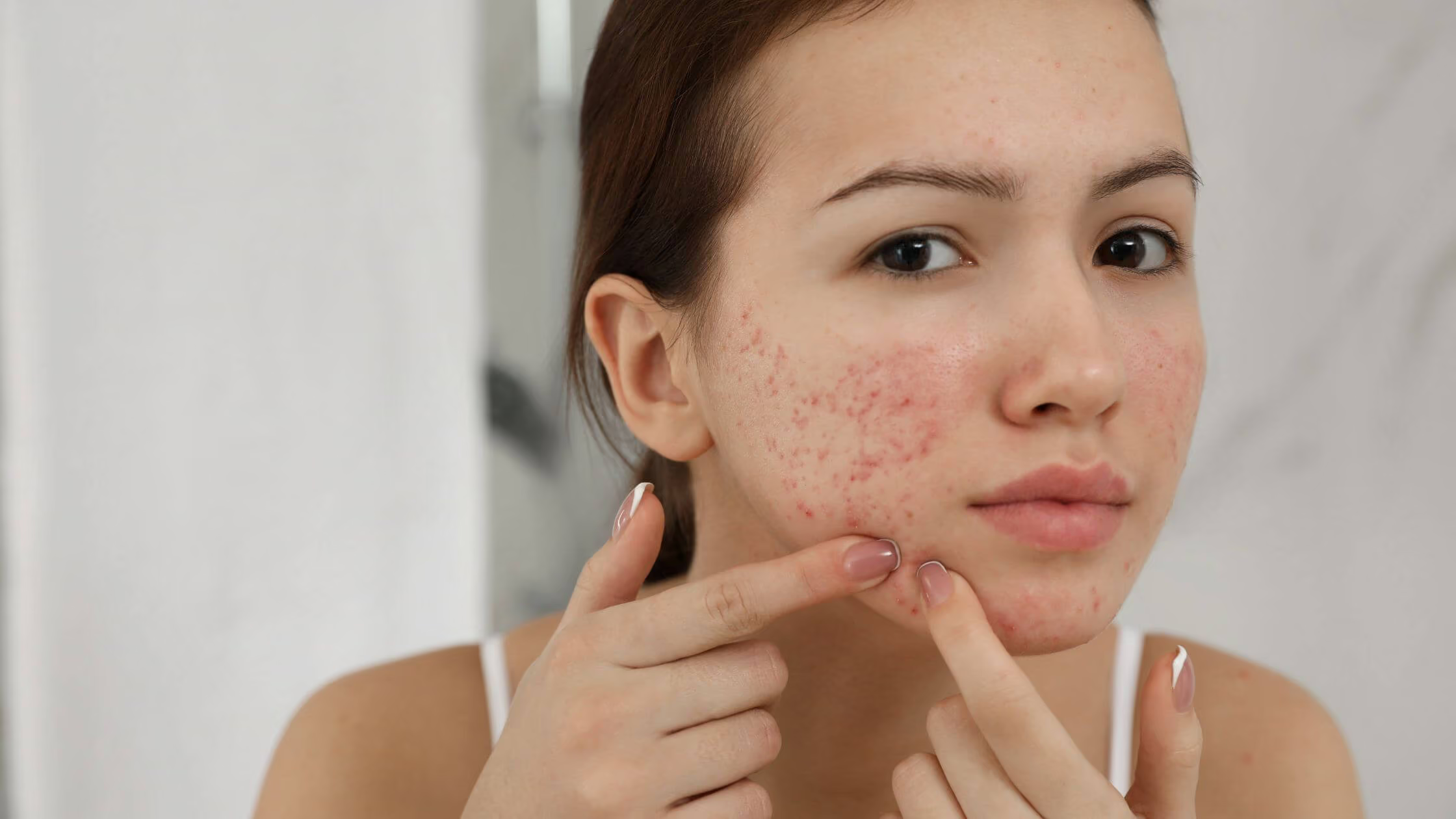
Acne typically appears on the face, chest, back, and shoulders, where oil glands are most concentrated. Mild acne shows up as blackheads (open comedones) and whiteheads (closed comedones). Inflammatory acne produces red bumps (papules) and pus-filled spots (pustules). The most severe form is nodulocystic acne, which causes deep, painful, firm lesions under the skin that can last for weeks and often leave scars.

You may also notice oily skin, post-inflammatory pigmentation that lingers after spots heal, and indented or raised scars in long-standing cases. Adult acne in women often clusters along the jawline and chin and tends to flare in the week before a menstrual period. If your breakouts are painful, leaving marks, or spreading to new areas, that is a clear signal to see a dermatologist rather than continue trying drugstore products.

Common Causes

Four factors drive acne: excess oil production, abnormal shedding of skin cells inside the pore, overgrowth of the bacterium Cutibacterium acnes, and inflammation. Hormones play a major role, which is why acne often starts at puberty and flares with menstrual cycles, pregnancy, polycystic ovary syndrome, and starting or stopping birth control. Genetics also matter, so if your parents had significant acne you are more likely to develop it too.

Other contributors include certain medications such as corticosteroids, lithium, and some anticonvulsants, high-glycemic diets and skim dairy in some people, friction from helmets or face masks, and pore-clogging skincare or hair products. Stress and lack of sleep do not cause acne on their own, but they can worsen existing breakouts by raising inflammation in the skin.

Treatment Options

For mild acne, prescription topicals form the foundation of care. Topical retinoids such as tretinoin, adapalene, and tazarotene normalize how skin cells shed and prevent new clogged pores. Benzoyl peroxide kills acne bacteria, and topical antibiotics like clindamycin reduce inflammation. Newer options include clascoterone (Winlevi), a topical androgen blocker, and dapsone gel for sensitive skin.

Moderate to severe acne usually needs oral therapy. Doxycycline and minocycline are the most common oral antibiotics, used for short courses to bring inflammation down quickly. For women, hormonal treatments such as combined oral contraceptives or spironolactone work especially well for jawline breakouts and oily skin. Spironolactone is taken daily and most patients see real improvement by three months.

For severe, scarring, or treatment-resistant acne, isotretinoin (formerly Accutane) is the most effective medication available and the only therapy that can produce long-term remission. A standard course runs five to seven months with monthly office visits and required lab monitoring through the iPLEDGE program. We discuss the side effect profile in detail and watch for them carefully throughout treatment.

For acne scars and discoloration, we offer chemical peels, microneedling, fractional laser resurfacing, and subcision for tethered scars. Scar treatment works best after active acne is well controlled.

What to Expect During Treatment

At your first visit we examine your skin under good lighting, ask about your history, prior products, and any medical conditions or medications that affect your treatment options. For women with hormonal patterns we may discuss bloodwork or coordinate care with your gynecologist or primary care doctor.

Most acne treatments take six to eight weeks to show clear improvement and three to four months to reach full effect. Skin often looks worse for the first two to four weeks before it gets better, so patience and consistency matter. The most common reason patients fail acne therapy is stopping a medication too soon or using it inconsistently.

We see you back at four to six week intervals to track progress, adjust strengths, and add or change treatments as needed. Insurance covers most acne medications because acne is a medical condition.

When to See a Dermatologist

Schedule a visit if over-the-counter products have not worked after about two months, if you are getting deep painful cysts, if breakouts are leaving marks or scars, or if acne is affecting how you feel about yourself. You should also be evaluated if your acne started suddenly as an adult, if it is concentrated along the jawline with other signs like irregular periods or excess hair growth, or if you have tried multiple treatments without lasting results.

Prevention and Self-Care

Wash twice a day with a gentle cleanser, not a harsh scrub, since over-washing inflames acne-prone skin. Use a non-comedogenic moisturizer and a daily broad-spectrum SPF 30 or higher, because many acne medications make skin more sun-sensitive. Look for the words noncomedogenic and oil-free on every product that touches your face, including makeup, sunscreen, and hair products that drift onto the forehead and hairline.

Do not pick or squeeze lesions, because that is the fastest path to scars and dark marks. Change pillowcases weekly, wipe down phones, and shower soon after sweating. If you wear a helmet or mask regularly, clean the contact points and try to keep skin dry underneath. Diet changes alone rarely clear acne, but cutting back on skim dairy and very high-glycemic foods helps some patients as part of a broader treatment plan.

FAQs

How long does acne treatment take to work?

Most acne treatments take 6 to 8 weeks to show initial improvement, with significant clearing typically occurring within 3 to 6 months. Severe or cystic acne treated with isotretinoin may require a full 5 to 6 month course. Consistency with your prescribed regimen is key to seeing results.

Is isotretinoin (Accutane) safe?

When prescribed and monitored by an experienced dermatologist, isotretinoin is a safe and highly effective treatment for severe cystic acne. At Cleaver Dermatology and Aesthetics, our providers carefully monitor patients with regular blood work and check-ins throughout the treatment course to ensure safety.

Can adults get acne?

Absolutely. Adult acne is very common, especially in women, and is often driven by hormonal fluctuations, stress, or medications. Our dermatologists specialize in treating adult acne with targeted approaches including hormonal therapy and prescription-strength topicals.

Will my insurance cover acne treatment?

Most health insurance plans cover dermatologist visits and prescription acne medications, as acne is a recognized medical condition. Our team can help verify your benefits before your appointment. We accept most major insurance plans across all nine of our North Georgia locations.

Can acne scars be treated?

Yes. Cleaver Dermatology and Aesthetics offers advanced acne scar treatments including microneedling, chemical peels, and laser resurfacing. The best approach depends on the type and depth of scarring. Early treatment of active acne is also the most effective way to prevent new scars from forming.

Menu