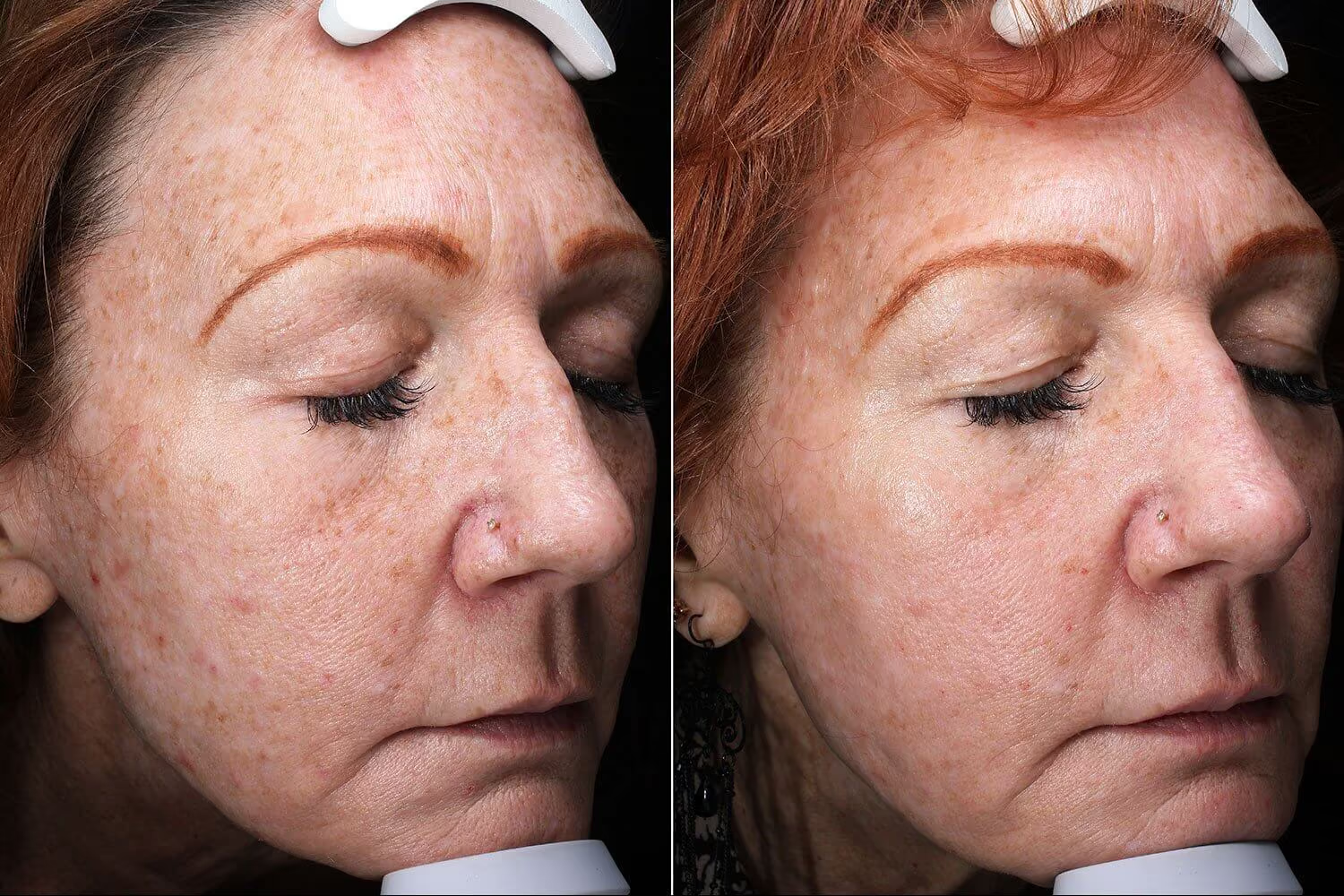
Improves texture and fine lines with collagen renewal.
Fractional resurfacing is a laser based treatment designed to improve skin texture, tone, and visible signs of aging. At Cleaver Dermatology and Aesthetics, we offer fractional resurfacing in Cumming and Dawsonville Georgia to help patients address concerns like acne scarring, sun damage, hyperpigmentation, and fine lines. This treatment is a great option when you want noticeable improvement and are comfortable with a short recovery period to support deeper skin renewal.
Fractional skin resurfacing is a laser treatment that delivers light energy into the skin to stimulate collagen renewal and skin remodeling. Traditional resurfacing lasers treat the skin in a more uniform way. Fractional resurfacing works differently by creating many tiny, precise columns of treatment while leaving surrounding skin untouched.
These microscopic treatment zones trigger your body’s natural repair response. As skin heals, new collagen helps fill in and smooth the treated areas, which can improve firmness, soften lines, and refine uneven texture. Because surrounding skin is left intact, fractional resurfacing supports effective results with a more controlled healing process.
Fractional resurfacing is commonly used to improve
At Cleaver Dermatology and Aesthetics, we use the PICO Genesis FX platform by Cutera for fractional resurfacing treatments, allowing settings to be adjusted based on your skin type, concern, and desired level of correction.
Patients choose fractional resurfacing because it can create meaningful improvement in both texture and tone, especially when skincare alone is not enough. It is a strong option for patients who want to soften acne scarring, refresh sun damaged skin, and improve fine lines in a single treatment plan.
Many patients also appreciate that results build over time. Fractional resurfacing encourages collagen remodeling, so the skin continues to improve in the weeks and months after treatment. For patients in Cumming and Dawsonville looking for a dermatologist guided approach to skin rejuvenation, fractional resurfacing offers a balance of power, customization, and medically supervised care.
What happens during treatment
Fractional resurfacing appointments may take more than an hour depending on whether you are treating the full face or focusing on specific areas. A numbing cream is applied to help minimize discomfort. A gel may be applied to support smooth movement of the treatment handpiece.
During treatment, you may feel warmth or mild heat. Significant pain is not typical, and settings can be adjusted to match your skin’s needs and your comfort level.
Downtime and healing
After treatment, it is common to feel sunburn like warmth for several hours, along with mild redness and swelling. Within three to five days, most redness and swelling improves. Many patients experience a bronzing look within a day or two, followed by flaking or peeling. This is a normal part of the renewal process.
Total downtime is often about a week, and sunscreen is essential during healing. Most patients benefit from a series of treatments spaced about one month apart. Improvements continue to develop gradually over three to four months as collagen remodeling progresses.
What is fractional resurfacing
Fractional resurfacing is a laser treatment that creates tiny controlled treatment zones in the skin to trigger healing and collagen production. This helps improve texture, tone, scarring, and fine lines over time.
What concerns can fractional resurfacing improve
Fractional resurfacing is commonly used for
What does treatment feel like
Most patients feel mild heat or warmth during treatment. A numbing cream is used to improve comfort, and settings can be adjusted based on sensitivity and the area treated.
How much downtime should I expect
Most patients have redness and swelling that improves in three to five days. Bronzing, flaking, and peeling are common. Total downtime is often about a week, depending on treatment intensity and your skin.
How many treatments will I need
Many patients benefit from a series spaced about one month apart. The number of sessions depends on your concerns, the area treated, and how your skin responds.
When will I see results
You may notice early improvement as skin heals, but the most meaningful results develop gradually over the next three to four months as collagen remodeling continues.
Whether you're coming in for a medical skin concern or a rejuvenating aesthetic treatment, our expert team is here to help you look, feel, and live your absolute best.