Mohs Surgery

The gold standard in skin cancer removal with the highest cure rate

Medical Dermatology
Overview

Non-melanoma skin cancers (basal cell carcinoma and squamous cell carcinoma) are the most common human cancers. While less deadly than melanoma, they can be disfiguring and locally destructive if not treated promptly. With appropriate, timely treatment, cure rates exceed 95%. Regular skin self-examination and professional screening allow early detection when lesions are small and treatment is most straightforward. Sun protection is the best preventive strategy.
Common Symptoms

Non-melanoma skin cancer presents variably. Basal cell carcinoma typically appears as a pearly bump with central ulceration or a scaly patch. Squamous cell carcinoma appears as a scaly, crusty plaque or nodule, often with raised borders. Common features of both include failure to heal, bleeding or oozing, change in appearance over time, or ulceration. Most occur on sun-exposed areas (face, ears, hands, scalp). Any persistent skin lesion warrants professional evaluation.

Common Causes

Non-melanoma skin cancers (basal cell and squamous cell carcinomas) are primarily caused by cumulative UV exposure from sun. Risk factors include fair skin, advancing age, significant lifetime sun exposure, history of sunburns, immunosuppression (HIV, transplant recipients), and prior skin cancers. Male gender, outdoor occupations, and living in high-latitude areas with intense sun increase risk. Some genetic conditions (xeroderma pigmentosum) dramatically increase risk. Family history of skin cancer indicates genetic predisposition.

Treatment Options

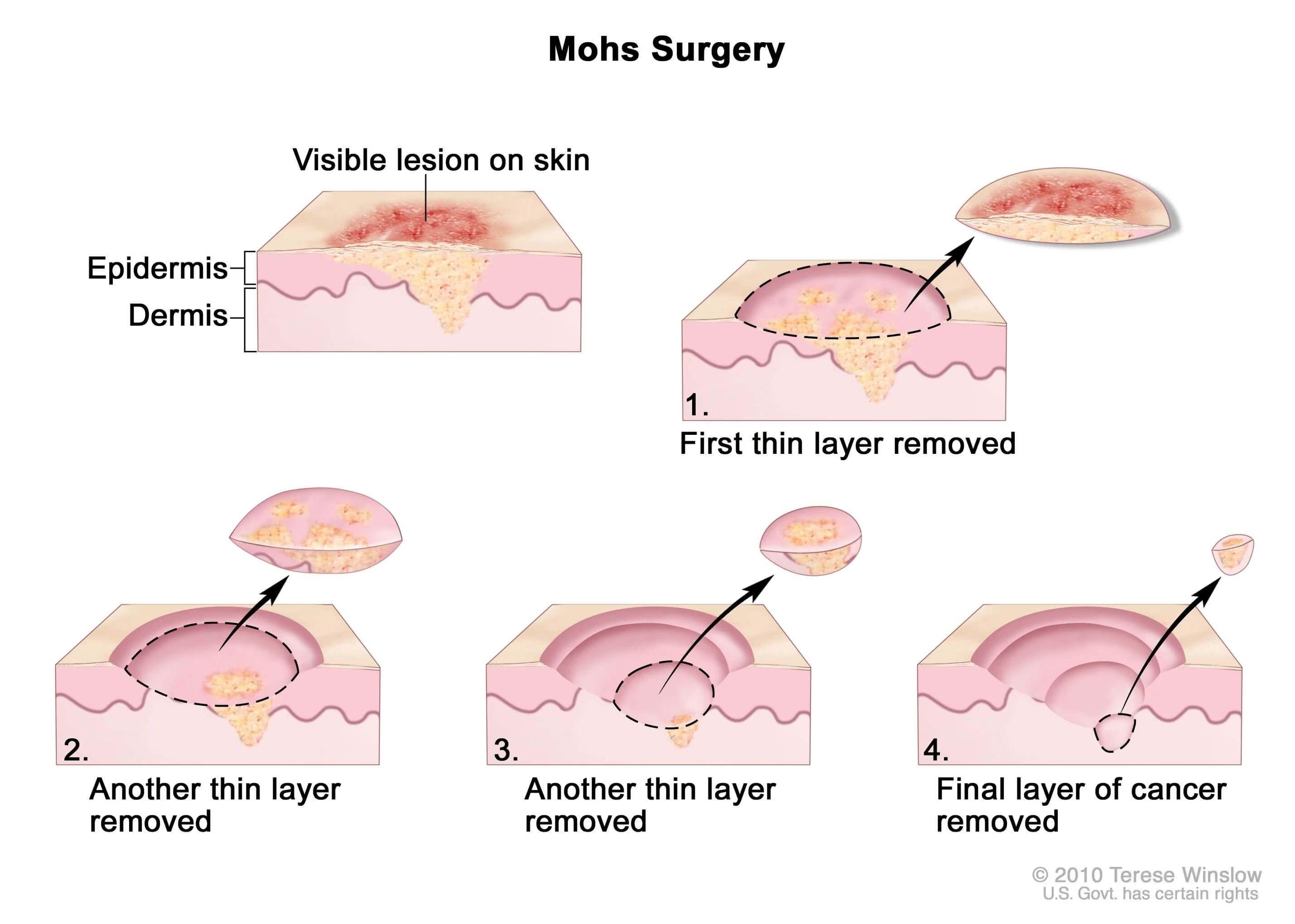
Non-melanoma skin cancer treatment depends on type (BCC vs SCC), size, location, depth, and patient factors. Surgical excision with histologic margin confirmation is gold standard, particularly for high-risk lesions. Mohs micrographic surgery offers highest cure rates and tissue preservation. Curettage and electrodessication, cryotherapy, and topical therapies (imiquimod, 5-FU) are options for small, low-risk lesions. Radiation therapy is used for elderly or medically complicated patients. Combinations of treatments may be recommended.

What to Expect During Treatment

Your dermatologist performs thorough skin examination and may perform biopsy if malignancy is suspected. We discuss treatment options and recommend most appropriate approach for your specific lesion. Treatment is usually performed in office under local anesthesia. Post-operative care is straightforward; most heals within 2-4 weeks. We provide detailed sun protection education. Regular follow-up monitoring ensures proper healing and early detection of any new lesions. Lifelong surveillance is recommended for skin cancer patients.

When to See a Dermatologist

See a dermatologist if you notice any new skin growth, lesion that doesn't heal, or spot that changes appearance. Don't assume all skin growths are benign. If you have risk factors (fair skin, family history of skin cancer, significant sun exposure, prior skin cancers, or immunosuppression), regular professional screening is essential. Early detection of non-melanoma skin cancer allows for treatment when lesions are small, less destructive, and easiest to cure.

Prevention and Self-Care

Prevent non-melanoma skin cancer through rigorous, lifelong sun protection starting in childhood. Use broad-spectrum SPF 30+ sunscreen daily, reapplied every 2 hours. Wear protective clothing, hats, and sunglasses. Avoid tanning beds. Limit sun exposure, especially 10am-4pm. Self-examine skin monthly for new or changing lesions using ABCDE rule. Have professional full-body skin exams annually or more frequently if you have risk factors. Early detection when lesions are small improves outcomes significantly.

FAQs

What is the cure rate for Mohs surgery?

Mohs surgery has up to a 99% cure rate for new (primary) basal cell and squamous cell carcinomas and up to 94% for recurrent skin cancers. This is the highest cure rate of any skin cancer treatment available, which is why it's considered the gold standard.

Is Mohs surgery painful?

Mohs surgery is performed under local anesthesia, so the treatment area is completely numb during the procedure. Most patients feel only the initial injection of anesthesia, similar to a dental numbing shot. Post-surgery discomfort is typically mild and manageable with over-the-counter pain relievers.

How long does Mohs surgery take?

Most Mohs procedures take 2 to 4 hours, including waiting time between stages for tissue processing. Plan for a half-day at our office. Complex cases or cancers requiring multiple stages may take longer. We recommend bringing something to keep you comfortable during waiting periods.

Will I have a scar after Mohs surgery?

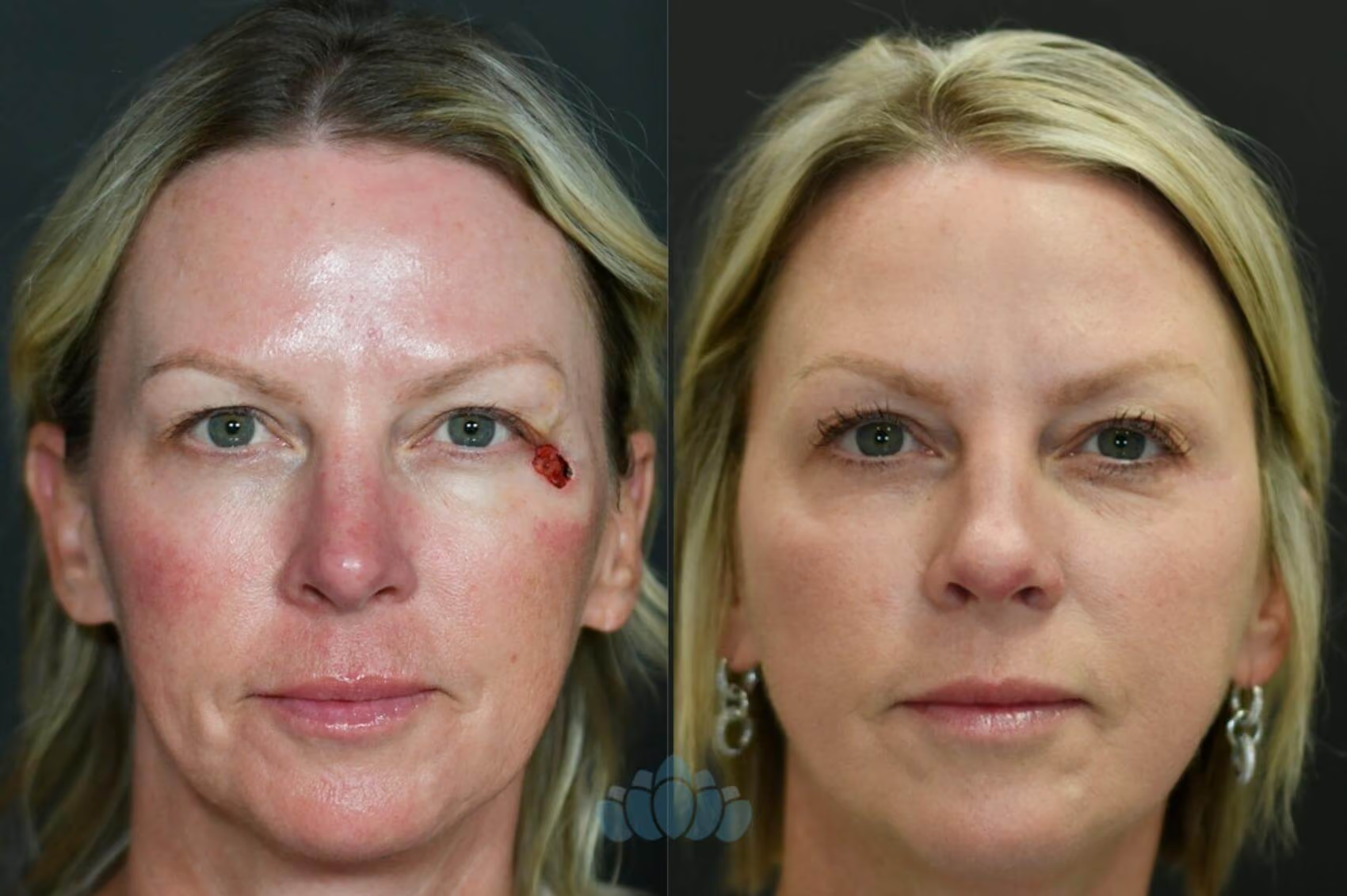
All surgery produces some degree of scarring, but Mohs surgery is specifically designed to minimize tissue removal, resulting in the smallest possible wound and scar. Our surgeons are skilled in advanced reconstruction techniques to achieve the best cosmetic outcome. Most scars continue to improve in appearance over 6 to 12 months.

Does insurance cover Mohs surgery?

Yes. Mohs surgery is a medically necessary procedure for skin cancer treatment and is covered by virtually all health insurance plans, including Medicare. Our billing team will verify your coverage and discuss any out-of-pocket costs before your procedure.

Menu