Rosacea

Expert rosacea treatment at Cleaver Dermatology and Aesthetics

Medical Dermatology
Overview

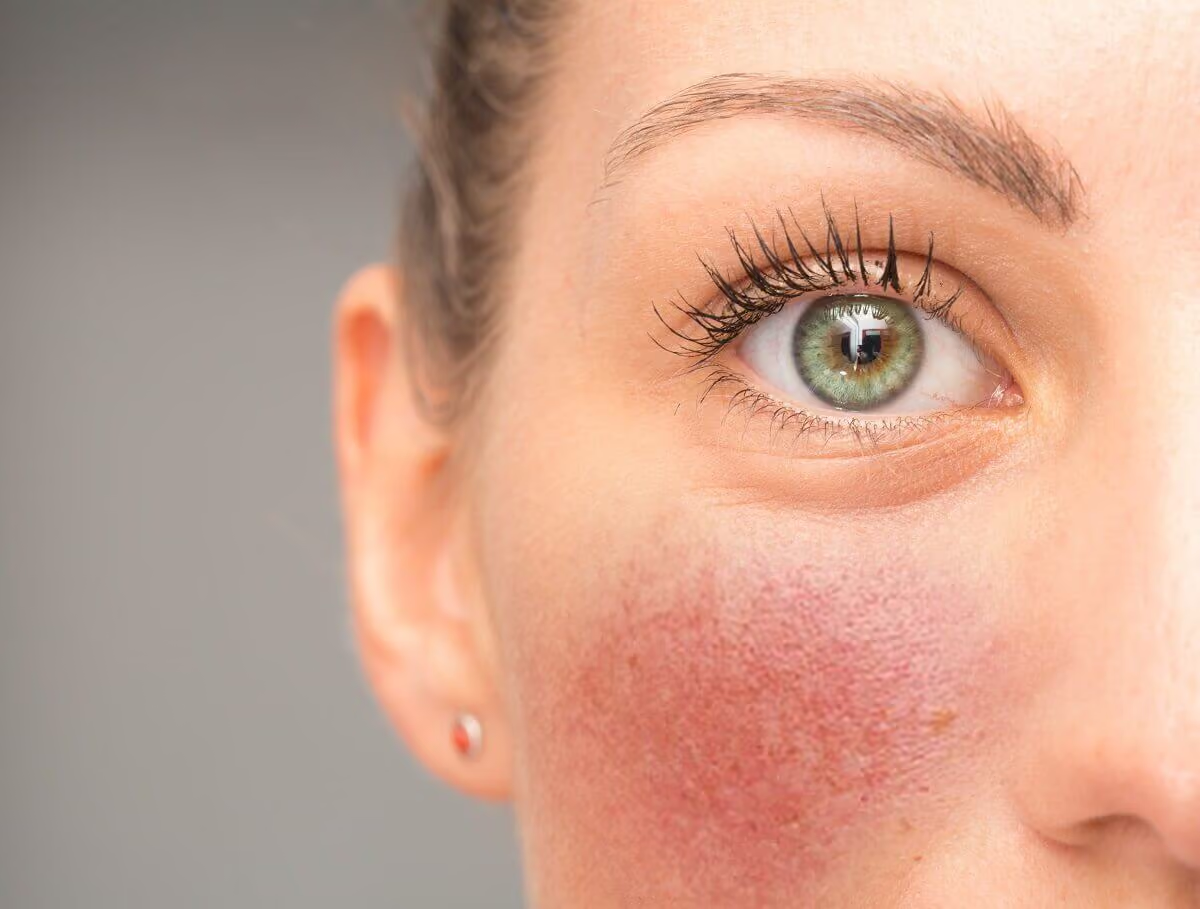
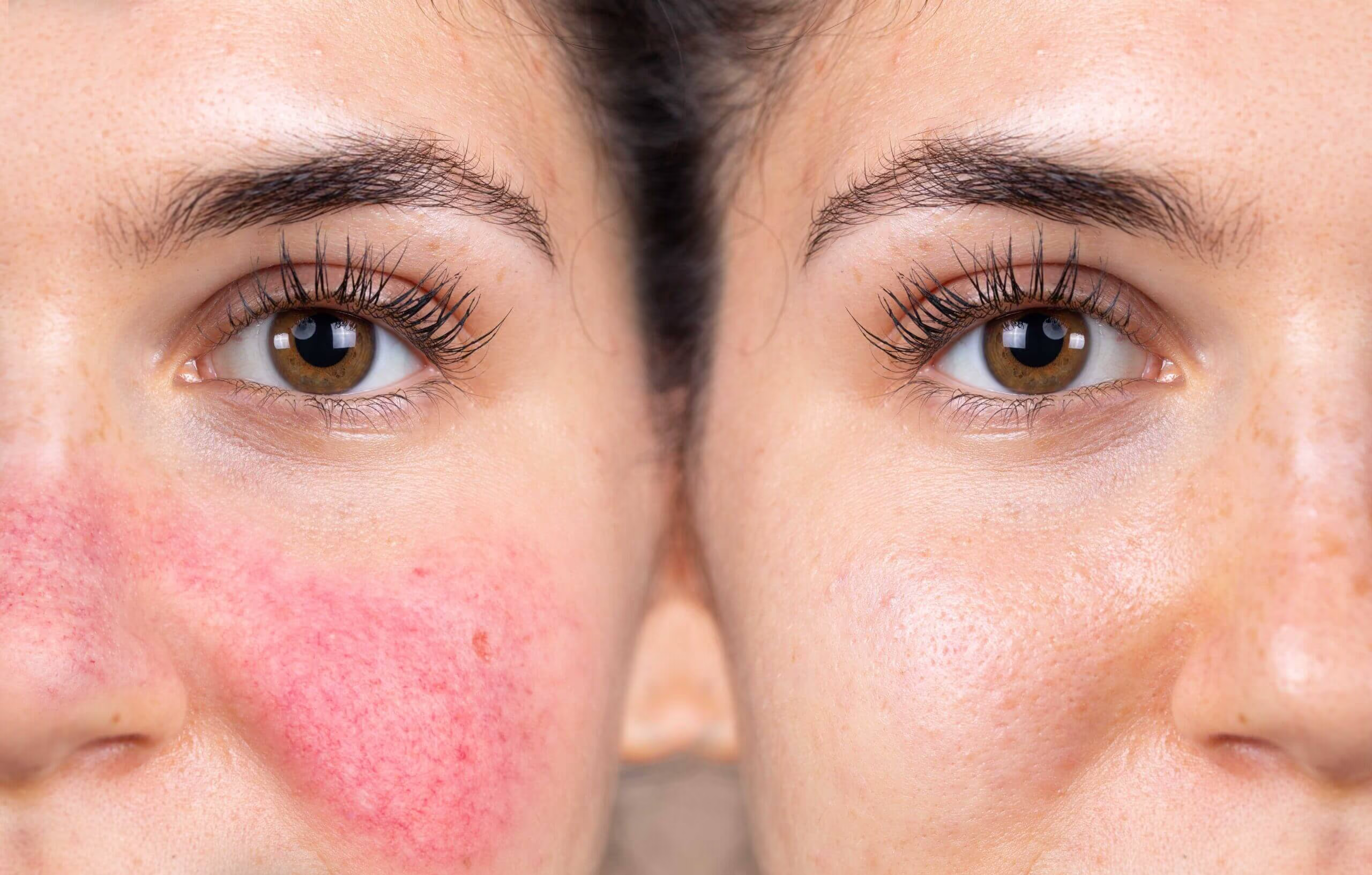
Rosacea is a chronic facial skin condition characterized by persistent redness, flushing, visible blood vessels, and sometimes acne-like bumps. It primarily affects the face and can be triggered by various environmental and lifestyle factors. At Cleaver Dermatology, our board-certified dermatologists led by Dr. Nathan Cleaver, Dr. Stephanie Gardner, and Dr. Weston Waxweiler have extensive experience managing rosacea and helping patients reduce symptoms and prevent progression.

Rosacea affects an estimated 16 million Americans and is more common in adults over 30, particularly those with fair skin. While it can be frustrating and emotionally distressing, it is not dangerous to your health, nor is it contagious. However, without proper treatment, rosacea can progress and significantly impact quality of life and self-esteem.

Our North Georgia dermatology practices in Cumming, Alpharetta, Johns Creek, Canton, Gainesville, Dawsonville, Dahlonega, Toccoa, and Lavonia offer comprehensive rosacea evaluation and treatment. Our approach combines medical therapies, procedural options, and lifestyle modifications to effectively control symptoms and prevent flare-ups.
Common Symptoms

Rosacea typically begins with persistent facial redness, usually concentrated in the center of the face, often accompanied by frequent flushing or blushing that occurs easily. Many people notice visible small blood vessels appearing on their face, a condition called telangiectasia. The condition frequently causes acne-like bumps and pustules to develop on the face. Patients often report burning, stinging, or itching sensations, and the skin may become dry, sensitive, or noticeably swollen. In advanced cases, the skin can develop a thickened, bumpy texture known as rhinophyma, particularly affecting the nose. Some people also experience eye irritation and redness, which is called ocular rosacea.

Subtype 1, known as erythematotelangiectatic rosacea, is characterized by flushing and persistent redness with visible blood vessels. Subtype 2, or papulopustular rosacea, combines redness with acne-like bumps and pustules across the face. Subtype 3, phymatous rosacea, involves skin thickening and enlarged pores, typically appearing on the nose. Ocular rosacea specifically affects the eyes with irritation, redness, and dryness, sometimes requiring separate attention from skin symptoms.

Common Causes

The exact cause of rosacea remains unknown, but research suggests it results from a combination of genetic and environmental factors. Rosacea tends to run in families, particularly among those of Celtic or Northern European descent. If you have family members with rosacea, your risk increases significantly. Various environmental triggers can initiate or worsen symptoms in susceptible individuals.

Temperature extremes such as hot weather, cold wind, or sudden temperature changes frequently trigger symptoms, as do hot beverages like coffee, tea, and other hot drinks. Spicy foods containing capsaicin are common culprits, as is alcohol consumption, particularly red wine, beer, and spirits. Stress and emotional upset significantly worsen symptoms for many people, as does physical exertion and vigorous activity. Certain skin care products including harsh cleansers, irritants, and fragrances can provoke flares. Sun exposure and UV radiation represent a significant triggering factor. Some medications such as topical steroids and vasodilators may inadvertently trigger rosacea. Research also suggests that an abnormal population of Demodex mites living on the skin may contribute to inflammation.

Treatment Options

Treatment for rosacea focuses on reducing symptoms, preventing progression, and identifying and avoiding personal triggers. Cleaver Dermatology offers multiple evidence-based treatment approaches tailored to your specific subtype and severity.

Metronidazole serves as the gold standard topical agent for reducing inflammation and redness. Azelaic acid reduces inflammation, redness, and post-inflammatory hyperpigmentation effectively. Sulfacetamide-sulfur combinations provide anti-inflammatory and antimicrobial properties. Topical retinoids help normalize skin and improve texture. Ivermectin cream targets Demodex mites while providing anti-inflammatory benefits. Topical antibiotics reduce bacterial overgrowth and inflammation.

Low-dose oral antibiotics such as doxycycline, minocycline, or tetracycline work for their anti-inflammatory effect rather than antibacterial properties. Beta-blockers like propranolol help reduce flushing episodes in some patients. Topical calcineurin inhibitors offer a non-steroidal anti-inflammatory option.

Laser therapy using intense pulsed light (IPL) effectively reduces visible blood vessels and persistent redness. Vascular laser treatments such as Nd:YAG or KTP laser specifically target telangiectasia with excellent results. Microdermabrasion provides gentle exfoliation that improves texture and appearance. Chemical peels, when gentle enough for sensitive rosacea skin, can reduce redness and improve overall skin tone.

Often, combining topical medications with laser or light-based procedures provides optimal results. Our dermatologists will recommend the best combination for your individual needs.

What to Expect During Treatment

During your initial consultation at one of our North Georgia offices, our dermatologist will perform a thorough facial examination and review your symptom history. We'll ask about your triggers, previous treatments, and how rosacea affects your daily life and self-confidence.

Based on your specific subtype and severity, we'll discuss treatment options ranging from topical medications to laser therapy. For many patients, we recommend starting with topical medications and lifestyle modifications, then adding procedural treatments if needed.

If laser treatment is appropriate, we'll explain the procedure, expected results, and recovery time. Most patients see improvement within weeks of starting treatment. We'll develop a customized follow-up plan to monitor your progress and adjust therapies as needed.

When to See a Dermatologist

If you experience persistent facial redness, frequent flushing, visible blood vessels, or acne-like bumps that don't respond to conventional acne treatments, consult a dermatologist for evaluation. Early diagnosis and treatment can prevent progression and provide relief from symptoms.

You should seek care if you have persistent facial redness lasting more than a few weeks, frequent flushing or blushing that affects your quality of life, facial bumps or pustules not responding to acne treatments, or visible blood vessels on your face. Eye irritation, redness, or vision problems warrant professional attention. Thickened skin texture, especially on the nose, merits evaluation. If you're concerned that rosacea is affecting your appearance or self-esteem, professional help can make a real difference in managing your condition and improving your confidence.

Contact Cleaver Dermatology at (770) 800-3455 to schedule your rosacea consultation. Our board-certified dermatologists at our Cumming, Alpharetta, Johns Creek, Canton, Gainesville, Dawsonville, Dahlonega, Toccoa, and Lavonia locations are ready to help you achieve clearer, calmer skin.

Prevention and Self-Care

Keeping a diary to identify your personal triggers is invaluable, as triggers vary greatly between individuals. Limiting spicy foods, hot beverages, and alcohol helps many people prevent flares. Using sunscreen with SPF 30 or higher every day protects your skin from a major triggering factor. Protecting your skin from wind by wearing protective clothing and scarves in cold, windy weather makes a noticeable difference. When cleansing, use lukewarm water and fragrance-free products only, and pat your skin dry gently rather than rubbing, as harsh drying worsens symptoms considerably.

Apply gentle moisturizers while your skin is still damp to lock in moisture effectively. Managing stress through relaxation techniques significantly reduces emotional triggers. Taking lukewarm baths and showers rather than hot ones prevents vasodilation that triggers flushing. Choosing mineral-based makeup designed for sensitive skin helps avoid irritation. These simple daily practices can substantially reduce rosacea symptoms and improve your comfort.

FAQs

Is rosacea contagious?

No, rosacea is not contagious. It's a chronic inflammatory condition caused by genetics and environmental factors. You cannot catch it from someone else or transmit it through contact.

Is rosacea the same as acne?

No, rosacea and acne are different conditions. Acne involves clogged pores and bacteria, while rosacea involves blood vessel dilation and inflammation. They require different treatments, so accurate diagnosis is essential.

Can laser treatment cure rosacea?

Laser and light treatments can dramatically reduce visible blood vessels, redness, and flushing. While rosacea cannot be cured, these procedures provide long-lasting improvement. Results vary by individual and may require maintenance treatments.

What is ivermectin cream used for in rosacea?

Ivermectin cream targets Demodex mites, which may contribute to rosacea inflammation, and provides anti-inflammatory benefits. It's an effective topical option that reduces redness, bumps, and flushing in many patients.

Can I wear makeup if I have rosacea?

Yes, you can wear makeup. Choose mineral-based, fragrance-free products designed for sensitive skin. Use green-tinted concealer to neutralize redness, and always use a gentle cleanser to remove makeup thoroughly.

Menu