Collagen-building treatments for texture, scars, and early aging, with or without PRP and exosomes
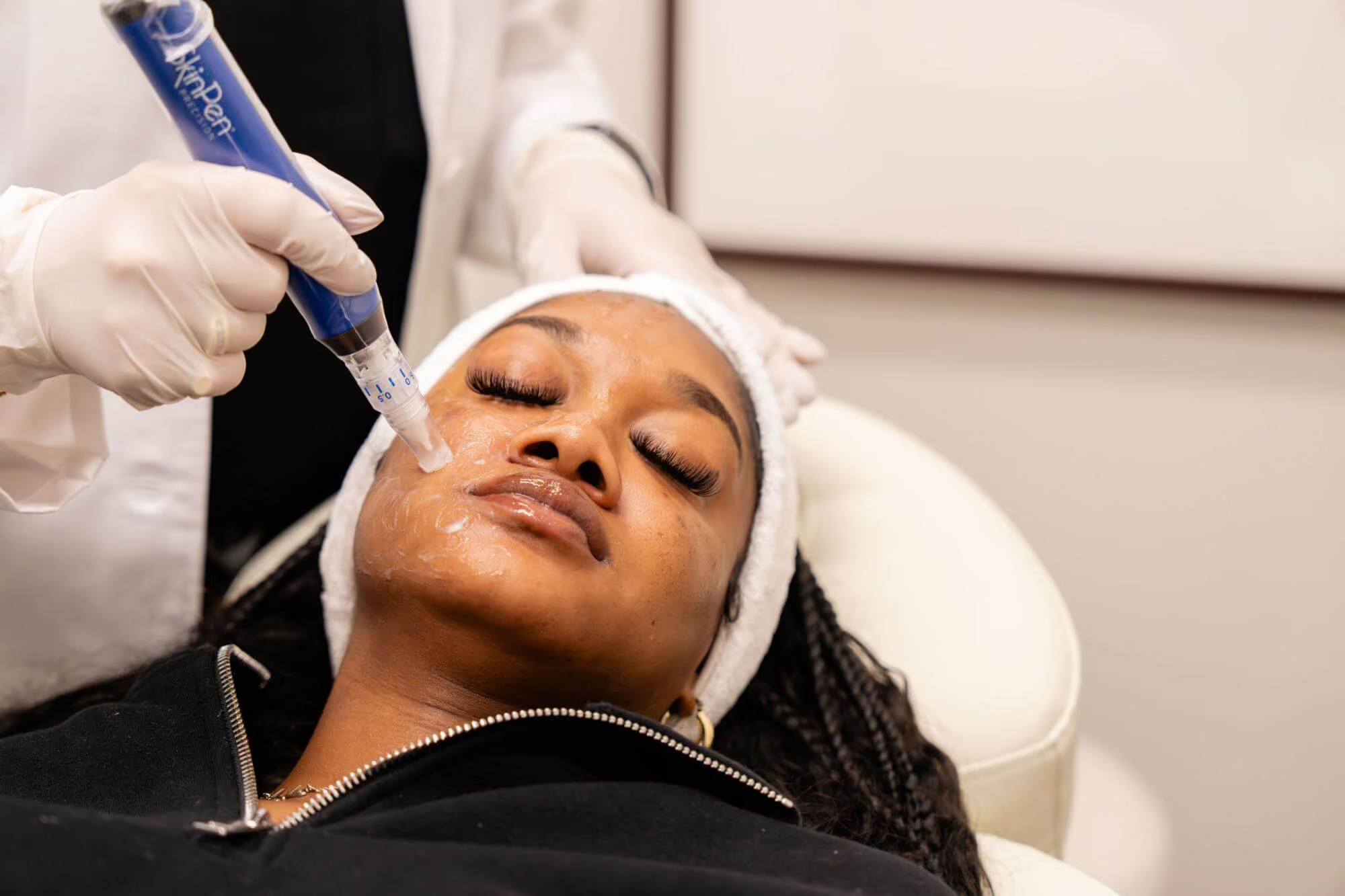
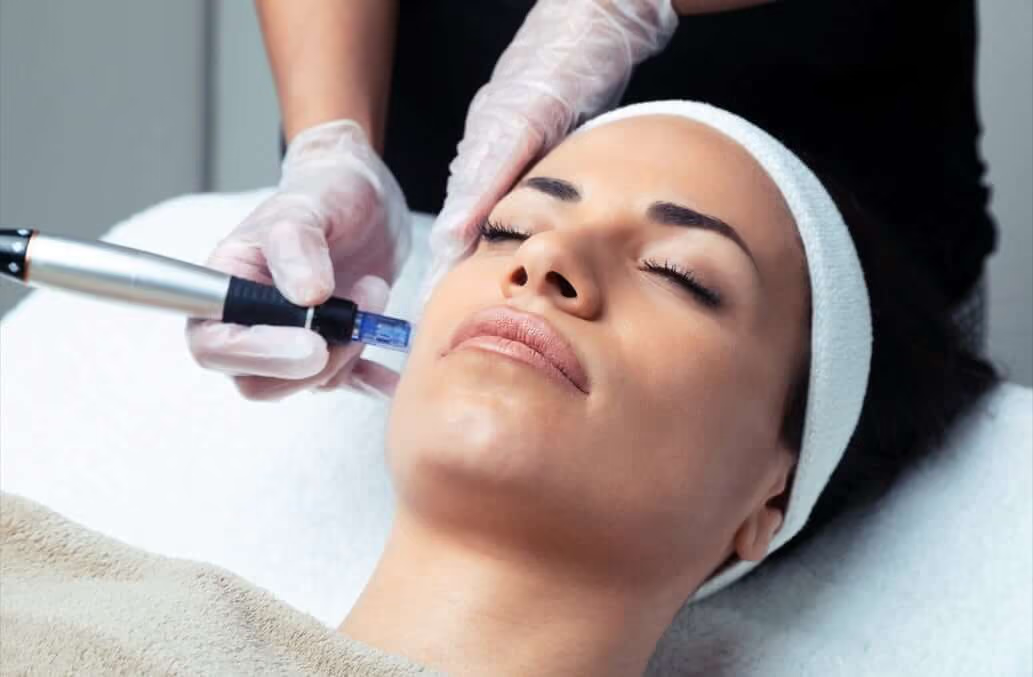
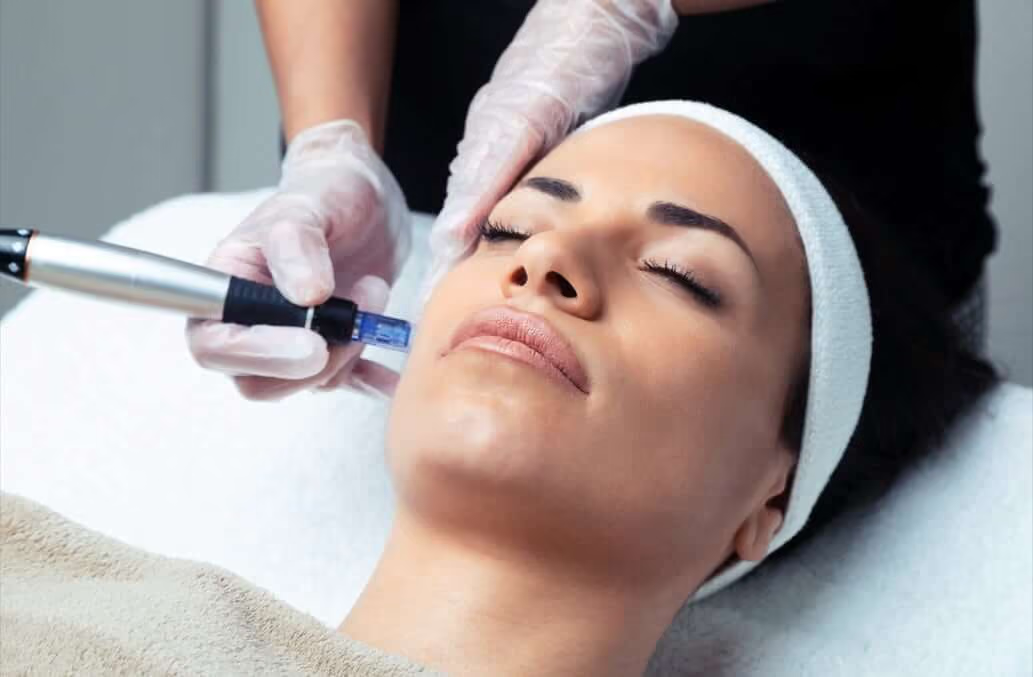
Microneedling creates thousands of controlled micro-injuries in the skin using tiny sterile needles. Your body responds by producing new collagen and elastin over the following weeks, which smooths texture, fades scars, and softens early lines. The treatment itself takes 30 to 45 minutes, and most patients need a series of three to six sessions to see full results.
The addition of PRP or exosomes during microneedling amplifies results by delivering growth factors directly into the skin through the channels created by the needles.

Standard microneedling is effective on its own for most mild to moderate skin concerns. For texture refinement, pore reduction, and early fine lines, three to six sessions of standard microneedling produces significant improvement for most patients at the lowest price point. It is a good first-time option if you have never tried microneedling and want to see how your skin responds.
Microneedling with PRP adds platelet-rich plasma from your own blood. We draw a small vial of blood, spin it in a centrifuge to separate the plasma, and apply that plasma topically during the microneedling treatment. The growth factors in platelets accelerate collagen production and skin repair. Results are typically more pronounced than standard microneedling, especially for moderate acne scarring, hyperpigmentation, and overall skin rejuvenation. The tradeoff is higher cost because the blood draw and processing add time and materials.
Microneedling with exosomes is the newest option. Exosomes are small vesicles that carry signaling molecules between cells and coordinate tissue repair. Commercially prepared exosome products from ethically sourced donor stem cells deliver these signaling molecules to the skin during microneedling. Early clinical evidence suggests exosomes produce stronger and faster results than PRP for patients who respond. They are the highest-cost option but worth considering for patients with more significant scarring, texture issues, or aging concerns.
Vivace RF microneedling adds radiofrequency energy to the microneedling device. As the needles penetrate the skin, the RF energy heats the deeper tissue, which causes additional collagen contraction and tightening beyond what standard microneedling achieves. Vivace is particularly useful for patients who want skin tightening in addition to texture improvement, especially on the neck, jawline, and lower face.
Safety is very good across all microneedling types when done properly. The most common side effects are temporary redness, swelling, and minor pinpoint bleeding during treatment. Rare complications include infection if aftercare is not followed, and pigmentation changes in darker skin types if settings are too aggressive. Our providers adjust settings and protocols by skin type to minimize these risks.
Pre-treatment preparation includes avoiding retinoids for one week before the visit, avoiding sun exposure for two weeks, and stopping blood thinners where possible. Post-treatment care includes gentle skincare, mineral sunscreen for two weeks, and no retinoids or exfoliants for five to seven days. Following the protocol is what separates patients who get great results from patients who feel it was not worth it.
Standard microneedling is a strong starting point for most patients focused on skin texture, pore size, fine lines, and mild scarring. Microneedling with PRP uses platelets from your own blood to boost collagen production, which is useful for moderate scarring, skin laxity, or patients who want stronger results. Microneedling with exosomes is the newest option and delivers regenerative signaling molecules for maximum skin healing and repair. Vivace RF microneedling adds radiofrequency energy for additional skin tightening.
Our esthetician or provider will recommend the right starting point based on your skin, your goals, and your budget.
Standard, PRP, and exosome microneedling all offered under one roof. We can adjust your plan across tiers as your skin responds rather than forcing you into a package that does not fit.
For patients with melasma, rosacea, or active acne, microneedling requires careful protocol adjustments. Our dermatology team customizes the approach so the treatment improves your skin without triggering flares.
LED light therapy, exosome topical application, or a hydrating mask can be added to any session to boost results or speed healing. We match add-ons to your skin's needs that day rather than selling a fixed package.
Plan for 60 to 90 minutes for the first visit. We apply topical numbing cream for about 30 minutes before starting, which reduces discomfort significantly. During treatment, your provider moves the microneedling device across the treatment area. Most patients describe it as a mild vibrating sensation with occasional light pinches.
After treatment, your skin will look pink and feel warm for 24 to 48 hours, similar to a mild sunburn. Some patients experience light peeling on day three or four. Most patients return to normal activities the next day but avoid makeup and vigorous exercise for 24 hours.
Results build gradually over the following six to eight weeks as new collagen forms. Most patients need three to six sessions spaced four to six weeks apart for full results, followed by maintenance sessions every three to six months.
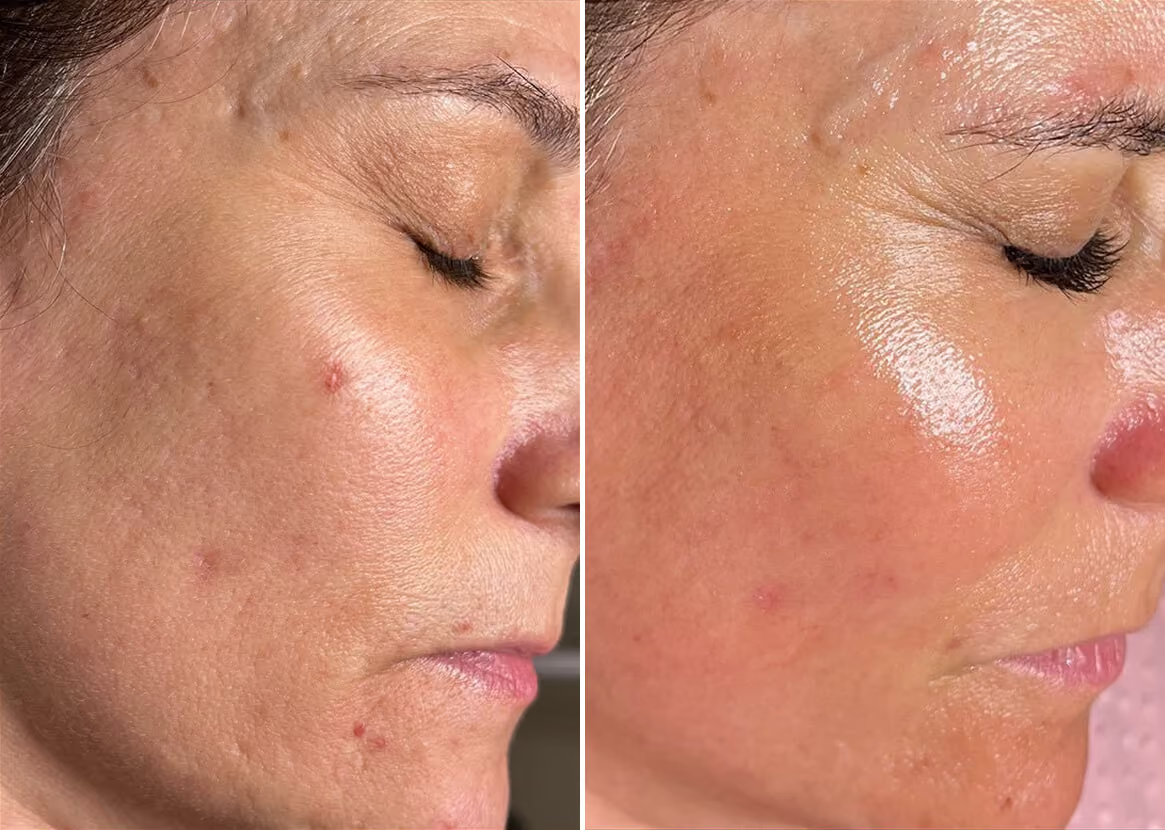
Three to six sessions is standard for most goals, spaced four to six weeks apart. Maintenance is then typically every three to six months.
We apply topical numbing cream for 30 minutes before treatment, which makes the procedure tolerable for most patients. Some areas like the forehead and nose can feel more sensitive.
Expect 24 to 48 hours of redness and warmth. Some patients peel lightly on day three or four. Most return to normal activities the next day but avoid makeup and vigorous exercise for 24 hours.
For moderate to significant scarring, aging, or laxity, yes. PRP and exosomes meaningfully accelerate results compared to standard microneedling. For mild texture concerns, standard microneedling is often enough.
Microneedling can be used for melasma with careful protocol adjustments, especially when paired with brightening topicals. It can also sometimes worsen melasma if settings are too aggressive, which is why our providers customize carefully.
Please give us a call and we will be happy to answer all your questions or concerns you may have.