Prescription-strength treatment that actually works, explained in plain language
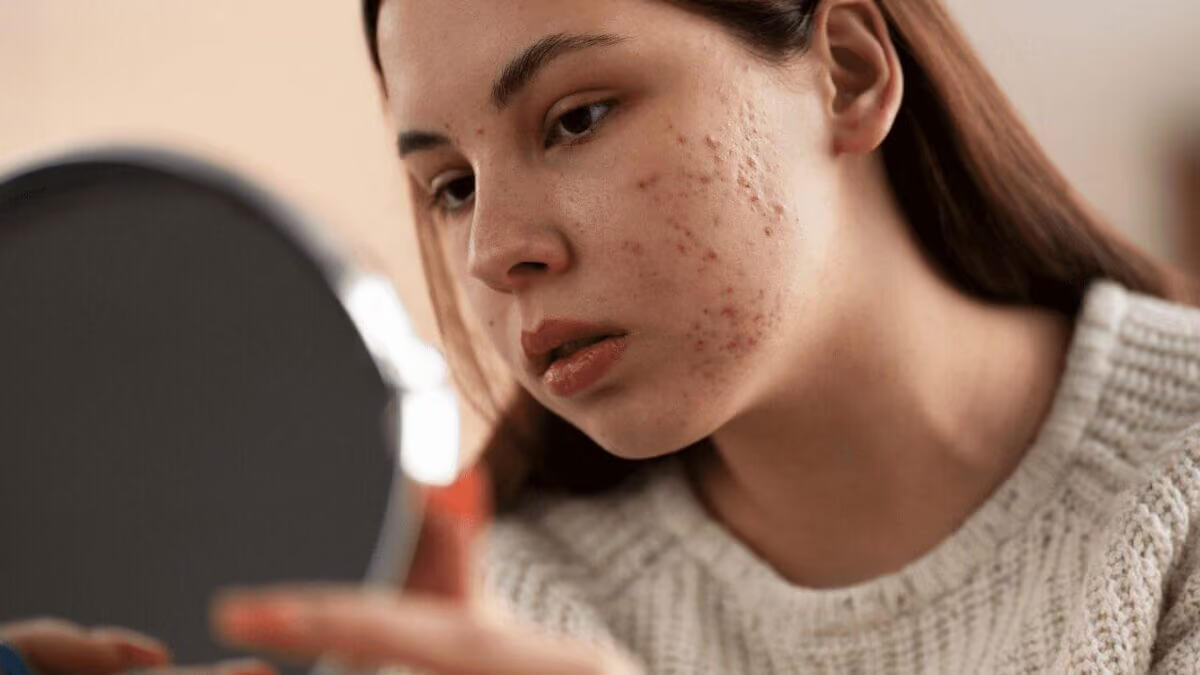
A drugstore aisle cannot solve moderate or severe acne. Teen skin reacts to products differently than adult skin, hormonal acne responds to hormonal approaches, and the inflammatory kind of acne that leaves marks behind needs prescription-strength help. Our teen acne program starts with the right diagnosis, then builds a plan that fits the teen's schedule, patience, and skin.
Most teens start to see real improvement within six to eight weeks of beginning a proper plan. The earlier we start, the less chance of scarring.
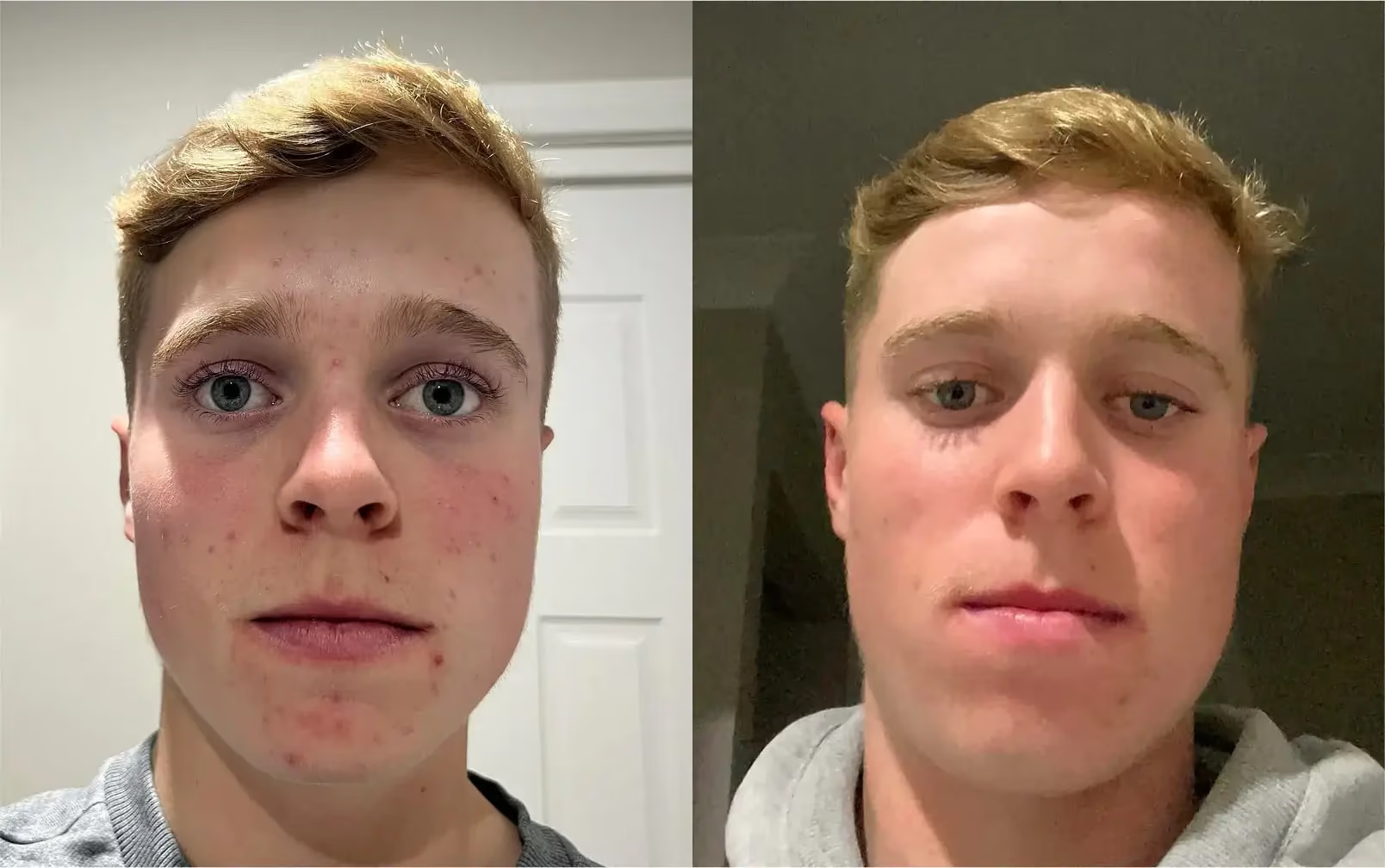
Teen acne is not one disease. It is at least four different patterns that each respond to different treatment. Getting the pattern right is why a dermatologist visit usually outperforms a year of drugstore experimentation.
Comedonal acne is the whiteheads and blackheads pattern. This is caused by clogged pores and is usually the first kind of acne teens develop. The right treatment is a topical retinoid. Retinoids unclog pores, prevent new ones from forming, and gradually reduce the number of whiteheads and blackheads. Full results take three to four months, but most teens notice improvement by week six.
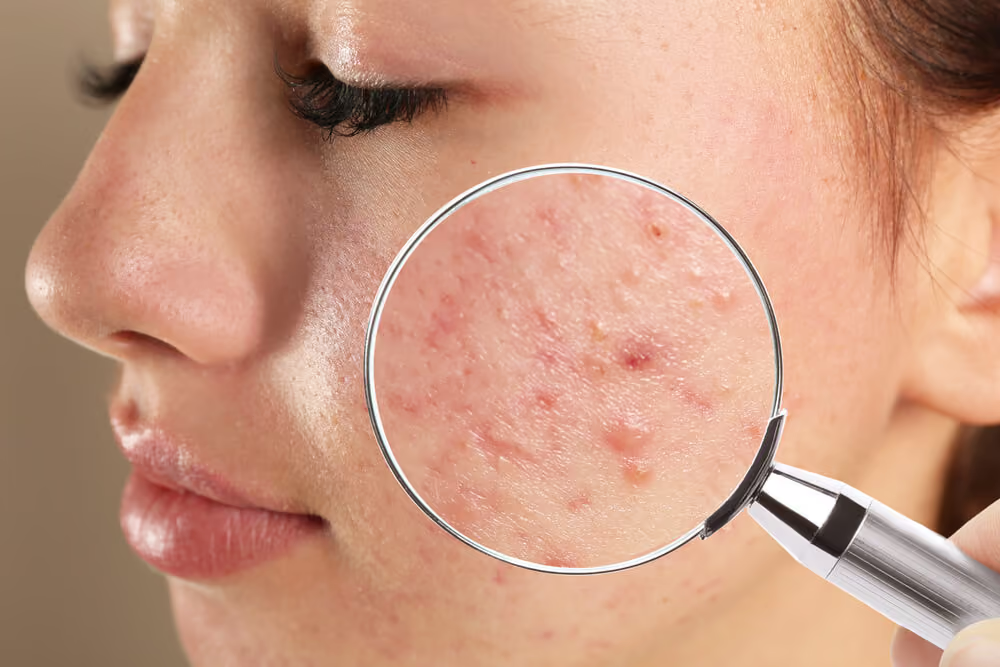
Inflammatory acne is the red, angry, sometimes painful pimple pattern. This is caused by bacteria and inflammation in the pore. Topical retinoids help, but most inflammatory cases also need benzoyl peroxide, a topical antibiotic, or an oral antibiotic. The goal is to calm inflammation before it causes permanent scarring.
Hormonal acne is the jawline, chin, and lower cheek pattern that flares around menstrual cycles in teen girls. This pattern often does not respond well to topical treatment alone. For girls whose hormonal acne is moderate or severe, combining topical treatment with hormonal therapy like a birth control pill or spironolactone can be much more effective. We discuss whether hormonal approaches fit the family's comfort level before recommending them.
Nodulocystic acne is the deep, painful, cyst-forming pattern that runs in families. This pattern carries the highest scarring risk and usually needs systemic treatment. Oral antibiotics help some, but the most effective treatment by a wide margin is isotretinoin, which is taken for four to six months and produces long-term remission in most patients. Isotretinoin is carefully monitored because of its side effects, and we walk parents through everything before we prescribe.
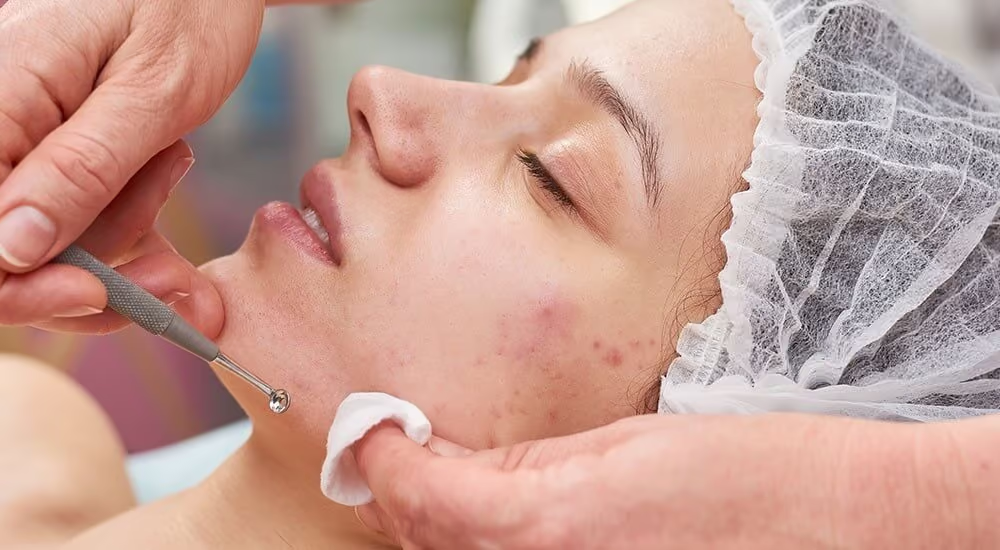
Post-inflammatory marks are the brown or red flat spots left behind after a pimple heals. These are not scars. They will fade on their own over months, but retinoids, vitamin C, and diligent sunscreen use speed that up significantly. Real scars, the pitted or textured kind, require in-office treatments like microneedling, laser resurfacing, or chemical peels, which we offer to teens when they are ready.
Every plan we build takes one to four of these patterns and assembles a regimen that addresses each. That is why the first visit matters. A plan built for the wrong pattern will not work even if every product is well-chosen.
Book this visit for any teen dealing with breakouts that have not improved with over-the-counter cleansers and spot treatments after two or three months of consistent use. It is also the right visit if your teen has deep, painful cysts, if breakouts are leaving marks that last for months, if the acne is spreading to the back or chest, or if self-confidence is being affected.
Mild comedonal acne with a few whiteheads and blackheads can often be handled with the right over-the-counter routine. We are happy to review whatever you are using and adjust, even if it does not need a prescription.
We do not hand teens a six-step regimen they will abandon in two weeks. The plan is simple enough to actually follow, which means it actually works.
Teen acne is the teen's issue to own. Our providers address the teen directly, explain the plan to them, and build their buy-in. When the teen is invested, adherence goes up.
Acne scars are permanent. Our plans prioritize catching inflammatory acne early and treating post-inflammatory marks before they become textural scars. We also offer in-office options for existing scars when the teen is ready.
At the first visit, the provider talks directly to the teen about what they are experiencing and what has been frustrating them. We ask about current products, skincare routines, menstrual patterns when relevant, stress, sleep, and any medications. We examine the areas affected, take photos if the teen is comfortable, and grade the severity of the acne. Photos are kept in the chart so we can track progress objectively.
The plan usually includes three to four steps. A gentle cleanser. A prescription topical retinoid used at night. A benzoyl peroxide product for morning use. And often one more targeted treatment for specific spots or for hormonal patterns. We do not stack five prescription products on day one. That is where teens quit.
The first follow-up is usually six weeks out. At that visit we look at what is working, what is not, and whether to adjust. Most plans need one or two adjustments over the first three months before they settle into a routine that keeps skin clear.
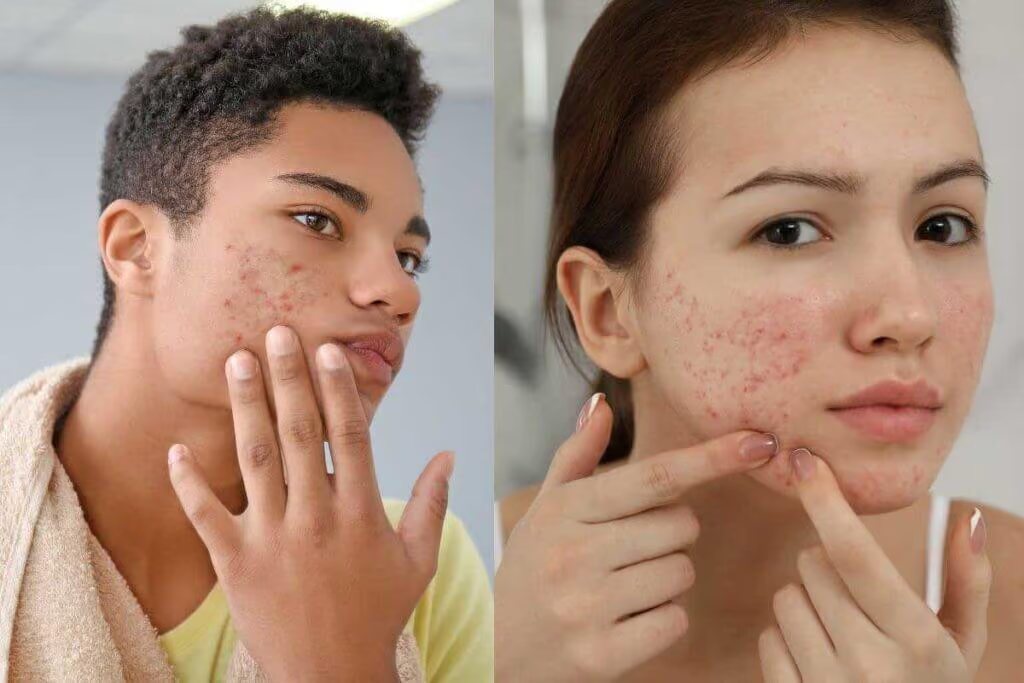
Most teens see improvement by week six to eight. Full clearing usually takes three to four months. If nothing is changing by week eight, we adjust the plan at the follow-up visit.
No. The goal is to clear the acne, maintain on a minimal regimen for a year or two, and then taper off. Some teens with a strong family history may stay on a topical longer, but the heavy-hitting medications are time-limited.
For most teens, diet is not the main driver. For a subset, high-glycemic foods or dairy make acne worse, and a two-month test of cutting one or the other can help. We do not make teens cut anything without evidence it is contributing.
Inflammatory and nodulocystic acne carry real scarring risk if left untreated. Early treatment is the single most effective way to prevent scars. That is why we move faster on moderate or severe cases.
Please give us a call and we will be happy to answer all your questions or concerns you may have.