More skin cancer shows up in this decade than any other, and almost all of it is treatable when caught early
Most skin cancer in the United States shows up after age 65. Decades of sun exposure, even sun exposure you thought was not much, adds up in ways that start appearing as precancers, basal cell carcinomas, squamous cell carcinomas, and melanomas as people move into their sixties and beyond. The exam that may have been optional at 40 becomes a genuinely important yearly visit after 65.
The good news is that nearly all non-melanoma skin cancer caught early is curable with an in-office procedure, and many cases can be handled the same day as the biopsy result. Melanoma rates also rise with age, which makes this annual visit especially valuable.
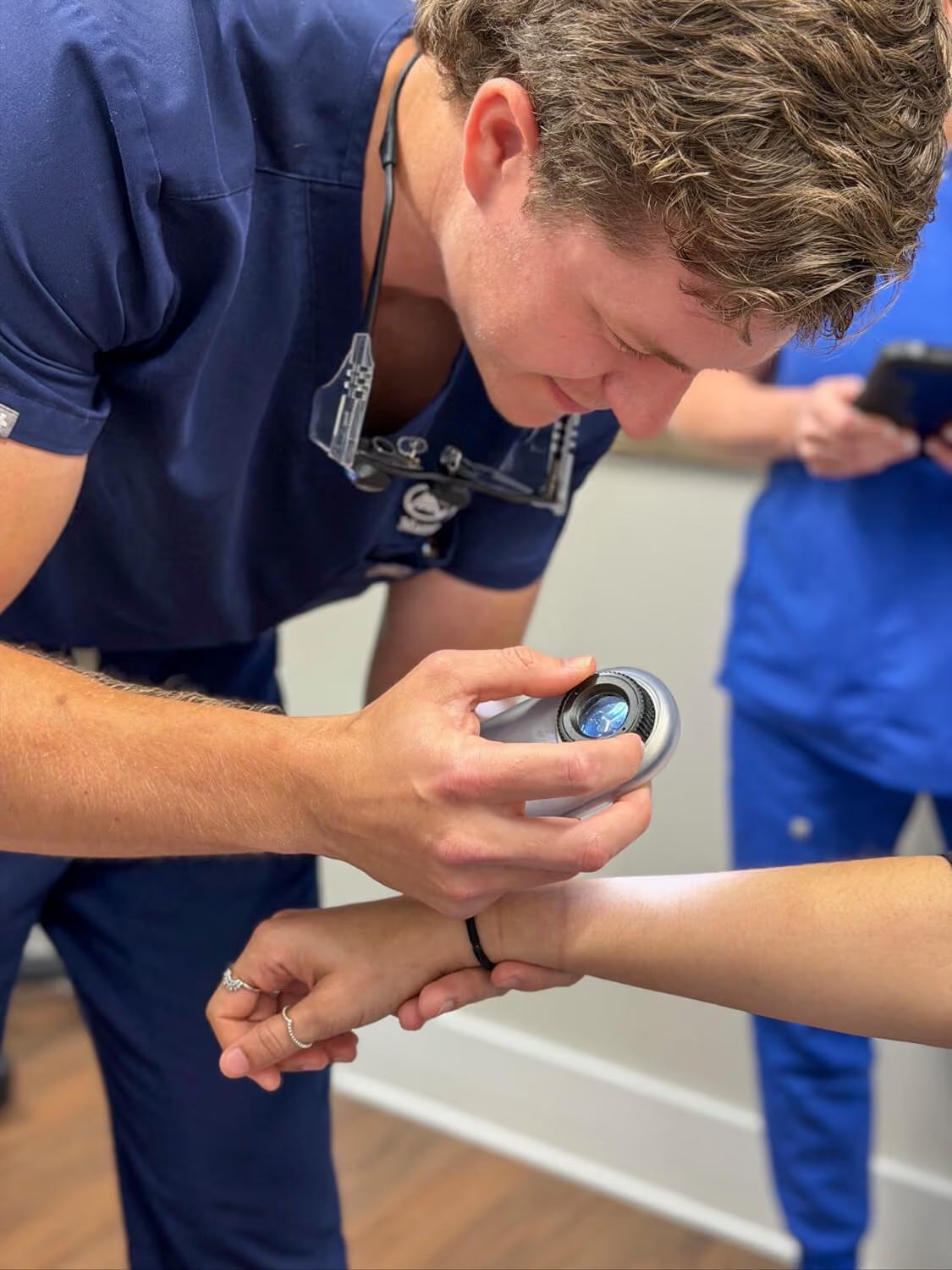
Between annual exams, a simple monthly self-check adds a layer of protection. The most useful things to watch for are changes. A spot that is new when it used to not be there. A mole that has grown bigger, darker, or irregular in shape. A scaly patch that keeps coming back. A sore that will not heal after a month. A lump that bleeds when you bump it. Any of these deserves a visit sooner than your next scheduled exam.
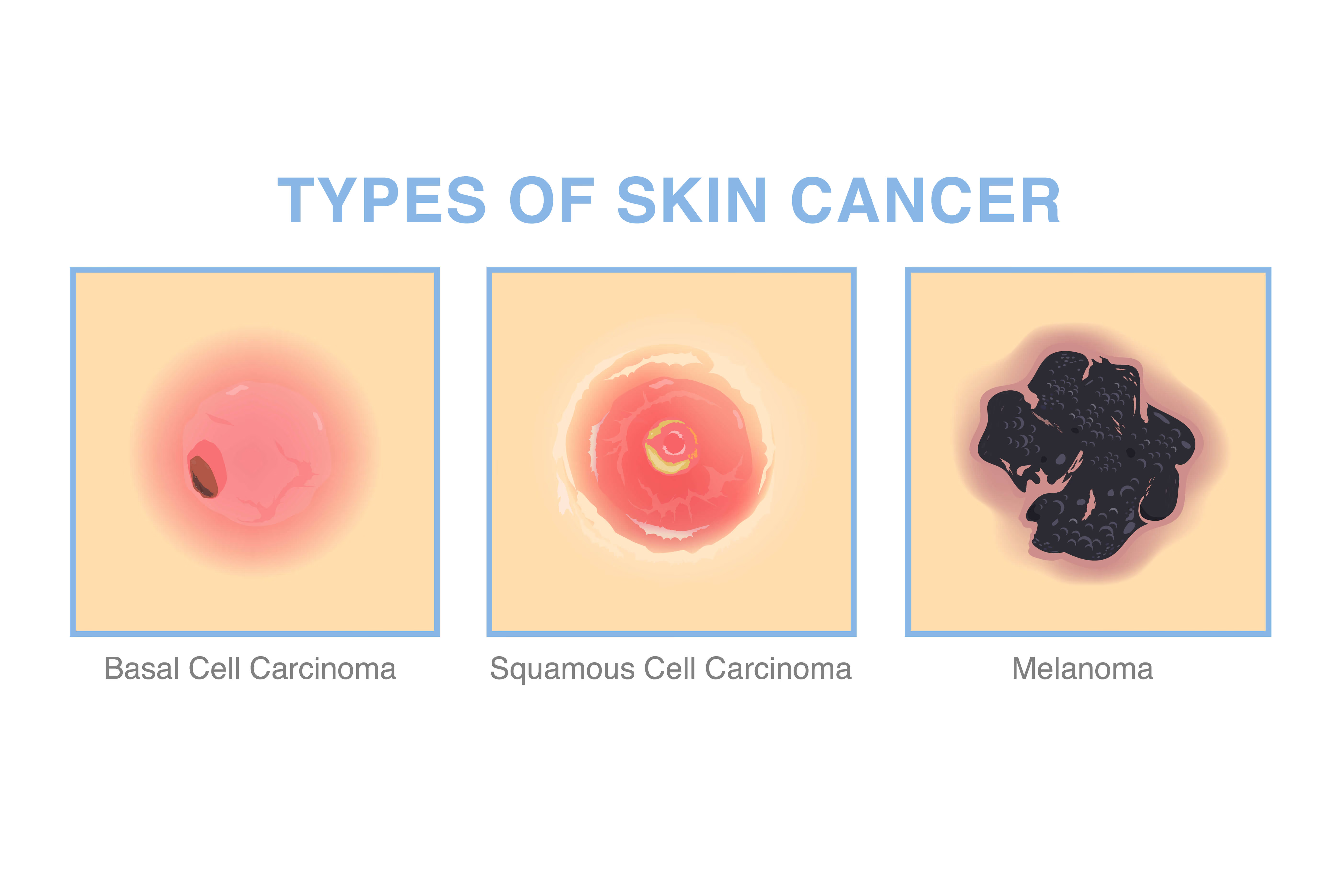
Basal cell carcinomas are the most common skin cancer in senior patients. They often look like a small pearly bump, a pink patch, or a sore that will not heal, and they most commonly appear on the face, ears, scalp, and neck. Basal cell cancer rarely spreads beyond the skin, which means it is almost always curable, but it does keep growing if left alone. Treatment ranges from a simple excision to Mohs surgery depending on location and size.
Squamous cell carcinomas look like a rough, scaly, sometimes bleeding patch, often on sun-exposed areas like the scalp, ears, lips, hands, and forearms. Squamous cell is more serious than basal cell because it can occasionally spread, especially on the lips or ears or in patients with weakened immune systems. Early diagnosis and treatment matter here. Mohs surgery is often the preferred treatment, again because it preserves the most healthy tissue.
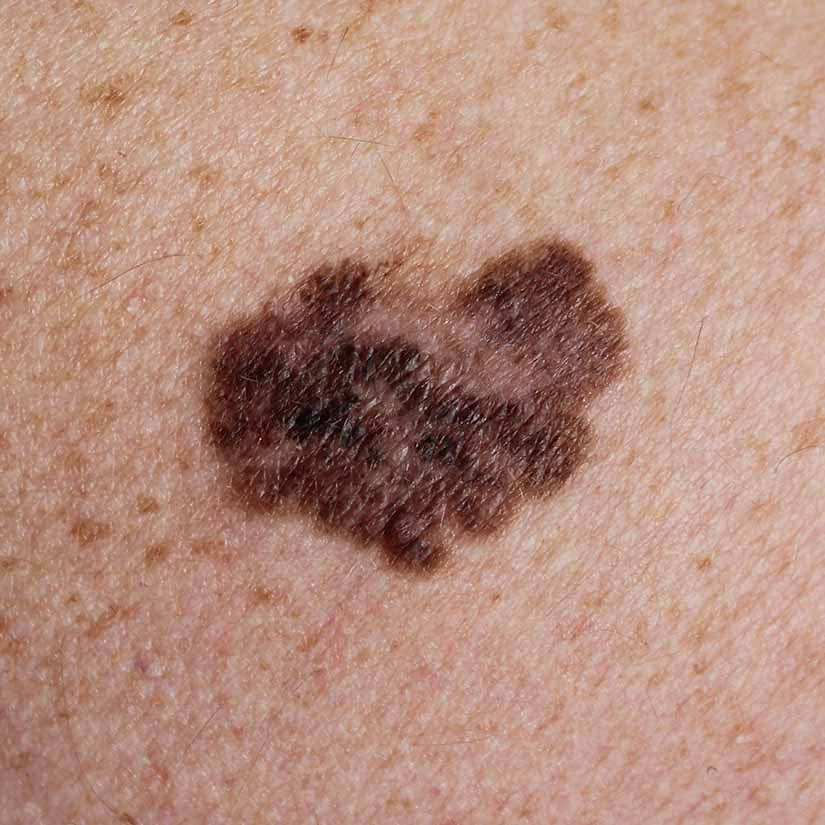
Melanomas in seniors can be more aggressive than melanomas in younger patients. They often appear as a dark, irregular, asymmetric spot that is changing, but they can also look like a new, oddly-colored spot that was never there before. Melanoma is the one cancer where the early detection window really matters, which is why we recommend yearly full body exams for patients over 65 and often every six months for patients with a personal or family history of melanoma.
Actinic keratoses, or AKs, are precancerous rough scaly spots that often appear on the forehead, cheeks, ears, hands, and scalp of seniors with a history of sun exposure. Left alone, a small percentage of AKs turn into squamous cell carcinomas. We treat them because it is easier and safer than waiting. Most are cleared with a quick cryotherapy freeze. Patients with widespread AKs may benefit from a field treatment like a topical prescription cream or a photodynamic therapy session to clear large areas at once.
If anything feels uncertain between visits, take a clear photo with a ruler or a coin for scale and message us through the patient portal or call. We would rather see you for a no-issue visit than miss a real issue because no one wanted to bother us.
Anyone over 65 benefits from a yearly full body skin exam. The risk is higher if you have fair skin that burned easily in childhood, spent years working or playing outdoors, have had more than a handful of sunburns, have had skin cancer before, take immunosuppressive medication, or have many moles.
Risk is also higher for patients who spent their younger decades in the Atlanta summer sun, on the lake, on the farm, on the golf course, or in any outdoor job. Most North Georgia and Metro Atlanta patients over 65 fall into at least one of these categories.
Dr. Nathan Cleaver trained in Mohs micrographic surgery at Ackerman Academy in New York. If your biopsy shows basal or squamous cell carcinoma, your treatment is already in the same practice and usually within two weeks.
We accept Medicare at all nine locations. Medicare Advantage plans are also accepted, though coverage depends on your specific plan. Our front desk verifies benefits before your visit so there are no surprises.
Biopsy results back in three to five days. Mohs scheduling within two weeks. Follow-up plans written in plain language and available in your patient portal. Time matters when something is found, and we move accordingly.
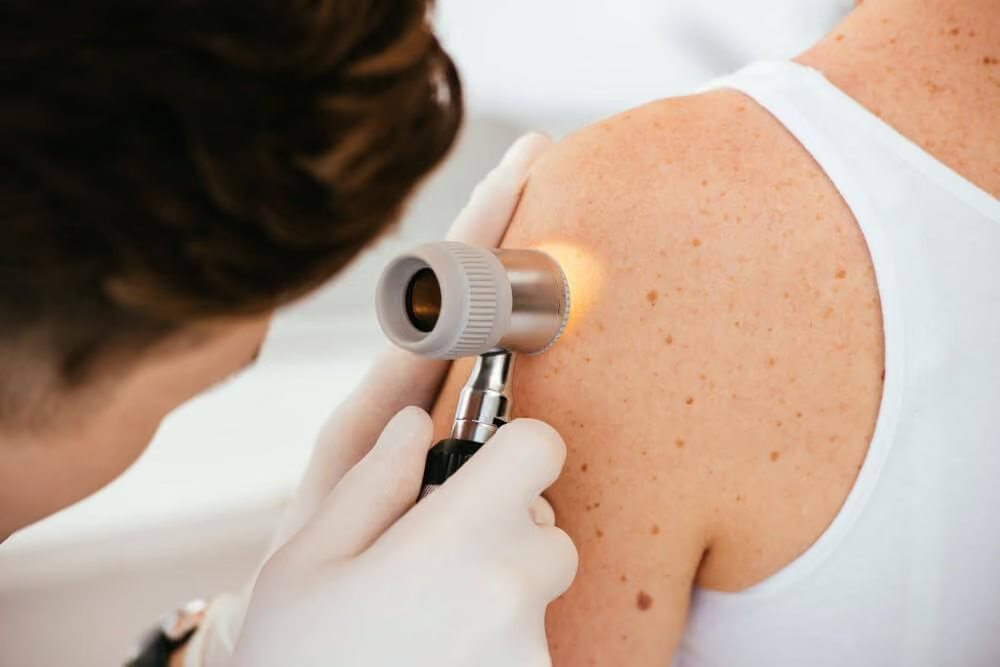
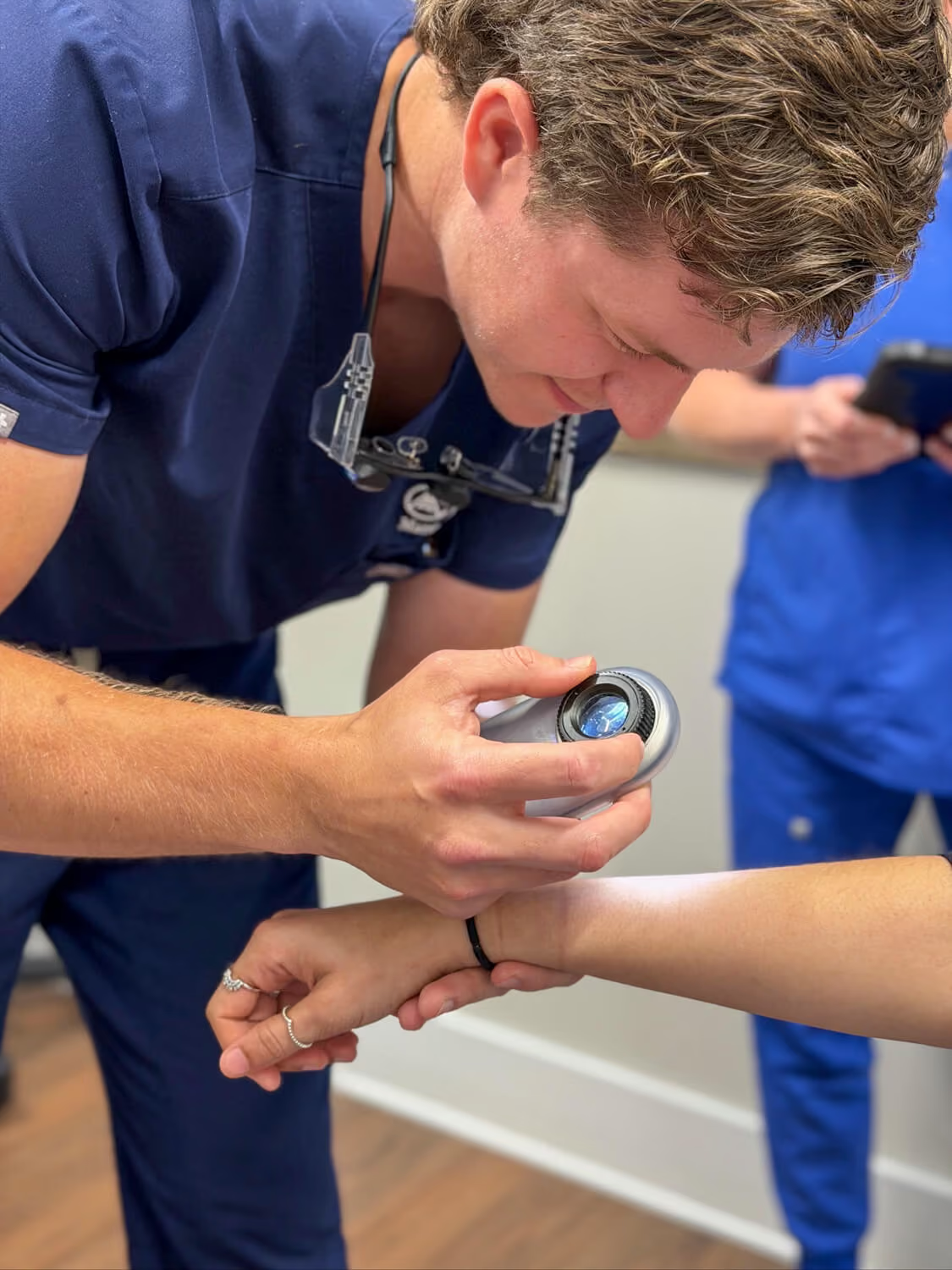
The exam is a head-to-toe review that takes 20 to 30 minutes. You change into a gown and the provider works through your skin in sections using good light and a dermatoscope. Your scalp, ears, and back of the neck get special attention because those are the areas patients often cannot see themselves.
The provider explains what they are looking at as they go. Spots that look like sun damage but are not cancer get a name and an explanation. Precancers like actinic keratoses are often treated the same visit with a brief cryotherapy freeze. Spots that look like a possible basal cell, squamous cell, or melanoma get a biopsy the same visit unless you prefer to schedule it separately.
If a biopsy is done, results come back in three to five business days. Our team calls you directly with the result and with next steps. If treatment is needed, most basal and squamous cell cancers can be handled by our Mohs surgeon Dr. Cleaver within two weeks of the result.
Once a year is the minimum for most patients over 65. Every six months is recommended if you have had skin cancer before, if you take immunosuppressive medication, or if you have extensive sun damage.
Medicare covers skin cancer screenings when medically necessary, which includes patients with a personal or family history or extensive sun damage. Our team verifies coverage before your visit.
Precancers like actinic keratoses are almost always treated the same visit with a brief cryotherapy freeze. Suspicious spots that need a biopsy are also usually biopsied the same day.
Our nine offices span from Roswell to Lavonia and Toccoa. Most patients find one within a 20 minute drive. For patients with mobility concerns, our team can help match you with the most accessible office.
If the biopsy confirms skin cancer, we walk you through the results and treatment options. For most basal and squamous cell cancers, our Mohs surgeon Dr. Cleaver can treat them within two weeks of the result. For melanoma, we may coordinate care with an oncologist depending on stage.
Please give us a call and we will be happy to answer all your questions or concerns you may have.