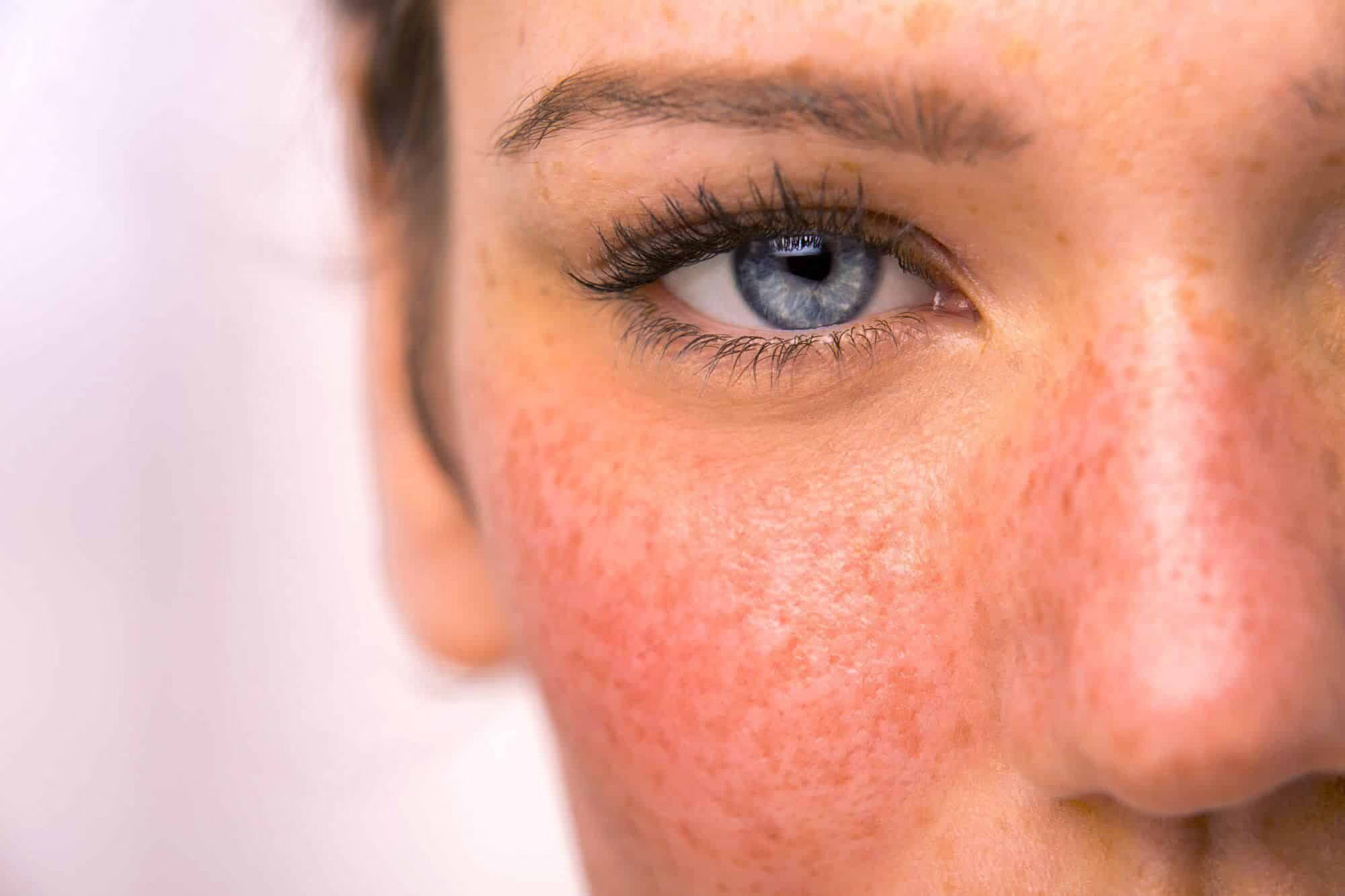
A real plan for rosacea flushing, visible vessels, and breakouts that will not respond to drugstore products
Rosacea gets misdiagnosed as acne, or as sensitive skin, or as just something you have to live with. It is none of those. It is a specific inflammatory condition with clear drivers and effective treatments, if the right pattern gets identified and the right plan gets built.
Most rosacea patients see real improvement within six to twelve weeks of starting a proper plan, with further improvement continuing for months after.
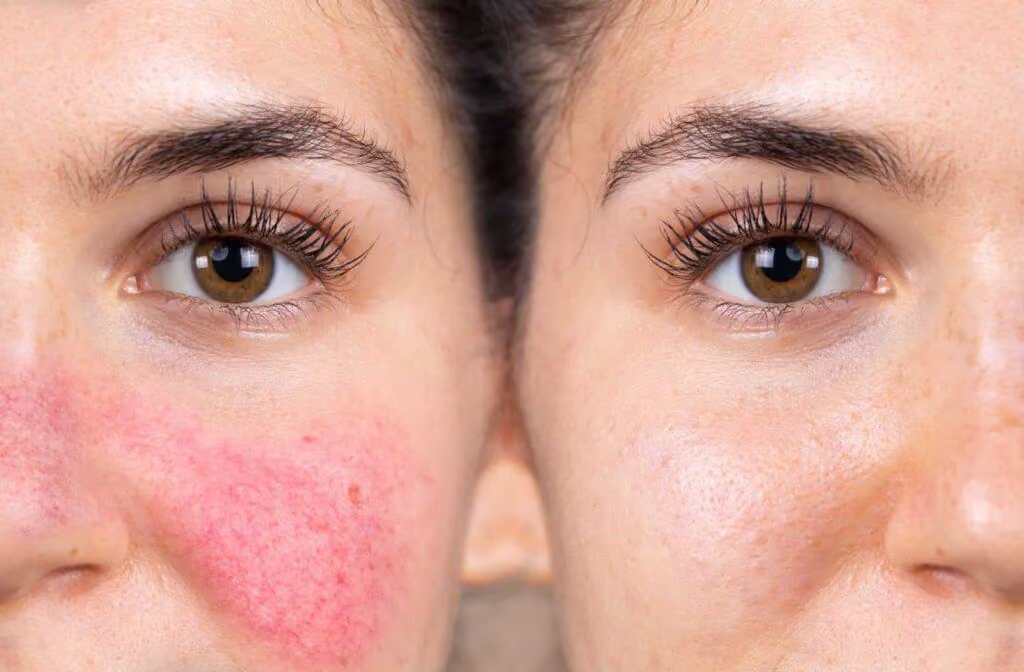
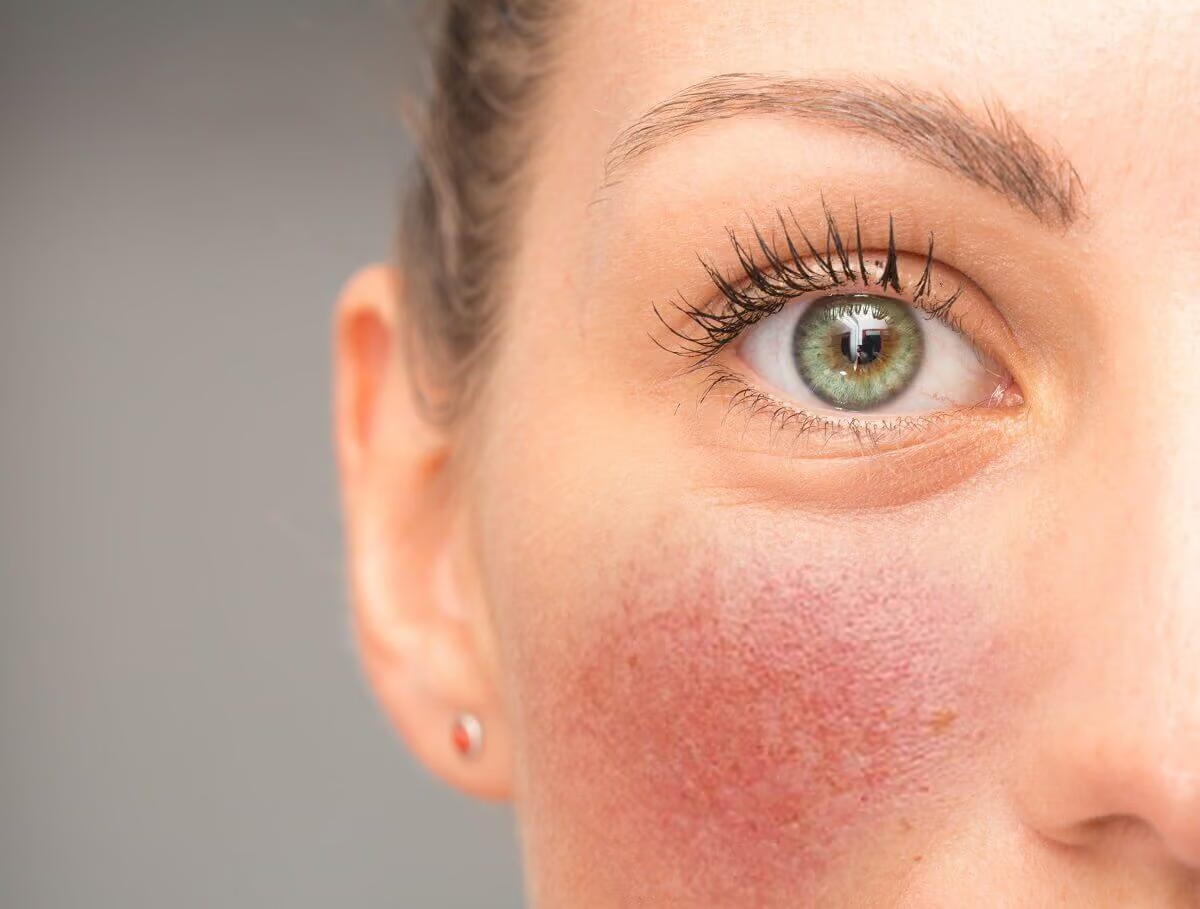
Erythematotelangiectatic rosacea, sometimes called subtype one, is the flushing and persistent redness pattern. Patients flush easily with heat, alcohol, spicy food, exercise, or stress. Over time the background redness stays longer and eventually becomes constant. Visible small blood vessels often appear on the cheeks and nose. This pattern responds best to gentle skincare, avoidance of known triggers, a topical prescription like brimonidine or oxymetazoline for redness, and in-office pulsed dye laser or IPL for visible vessels.
Papulopustular rosacea, subtype two, is the pattern that looks like acne but is not. Red bumps and pus-filled pimples appear on the cheeks, forehead, and chin, usually alongside background redness. This pattern responds to prescription topicals like metronidazole, azelaic acid, or ivermectin, often combined with a short course of an oral antibiotic like doxycycline at anti-inflammatory doses. For severe cases we may use isotretinoin at low doses, which works well for rosacea but at different dosing than for acne.
Phymatous rosacea, subtype three, is the thickening and nose-enlargement pattern, where skin in the central face becomes thickened and bumpy over years. It is more common in men and is usually treated with isotretinoin in early stages and laser or surgical resurfacing in advanced cases. Early treatment prevents progression, so catching this pattern early matters.
Ocular rosacea, subtype four, causes red, dry, burning, or gritty eyes, often with recurrent styes. It often accompanies one of the skin subtypes but can exist on its own. Treatment usually includes warm compresses, lid hygiene, sometimes a topical eye drop, and in moderate to severe cases an oral antibiotic. Untreated ocular rosacea can cause corneal damage, so we screen for it at every visit.
Triggers are highly individual. Common ones include sun exposure, heat, cold wind, alcohol (especially red wine), spicy food, hot drinks, stress, and certain skincare ingredients like alcohol-based toners or exfoliating acids. Most patients identify their top three or four triggers within a few weeks of paying attention to them, and avoiding just those has a measurable effect on flare frequency.
Skincare matters more in rosacea than in most conditions. The basics are a gentle non-foaming cleanser, a fragrance-free moisturizer, and a mineral sunscreen every morning. Avoid actives like retinoids and exfoliating acids during the initial treatment phase, then reintroduce carefully if your provider clears it. The right routine alone reduces flares for many patients before prescriptions are even considered.
Book this visit if you flush easily, especially with heat, alcohol, spicy food, or stress. If you have persistent redness on your cheeks, nose, forehead, or chin that does not fully fade. If you have visible blood vessels on your face. If you get what look like pimples but never have whiteheads or blackheads with them. If your eyes get red, dry, or irritated along with your skin.
Rosacea tends to show up in adults over 30 and is more common in fair-skinned patients, but it can affect anyone. Early diagnosis prevents the persistent redness from becoming harder to reverse.
Erythematotelangiectatic, papulopustular, phymatous, and ocular rosacea each respond differently. We diagnose the subtype on the first visit and build a plan that matches it.
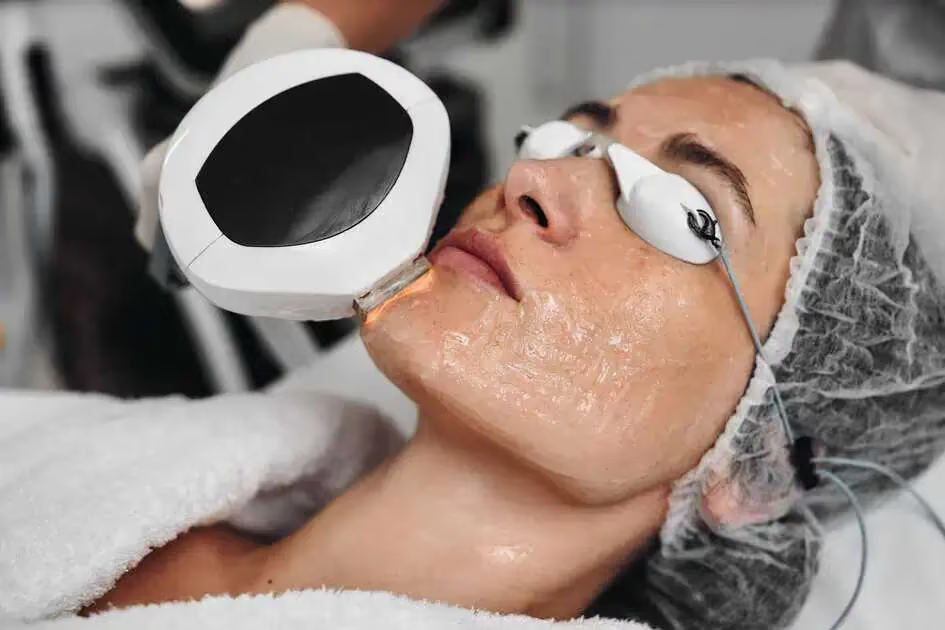
For visible blood vessels and persistent background redness, pulsed dye laser and IPL treatments make a visible difference. Both are offered at several of our locations.
Ocular rosacea affects many patients and often goes untreated. We screen for it and coordinate with your ophthalmologist when needed because untreated ocular rosacea can cause lasting eye damage.
Your provider starts by confirming the diagnosis and identifying which subtype of rosacea you have. There are four main patterns, and each responds to slightly different treatment. We ask about triggers you have noticed, your skincare routine, your medication list, and any eye symptoms.
The plan usually combines a gentle skincare routine, a prescription topical, and sometimes an oral medication for a defined period. For persistent visible blood vessels, we discuss in-office laser or IPL treatments, which are very effective but not always needed on the first visit.
Follow-up is typically at two to three months to assess response and adjust. Most patients settle into a maintenance routine after the initial treatment phase.
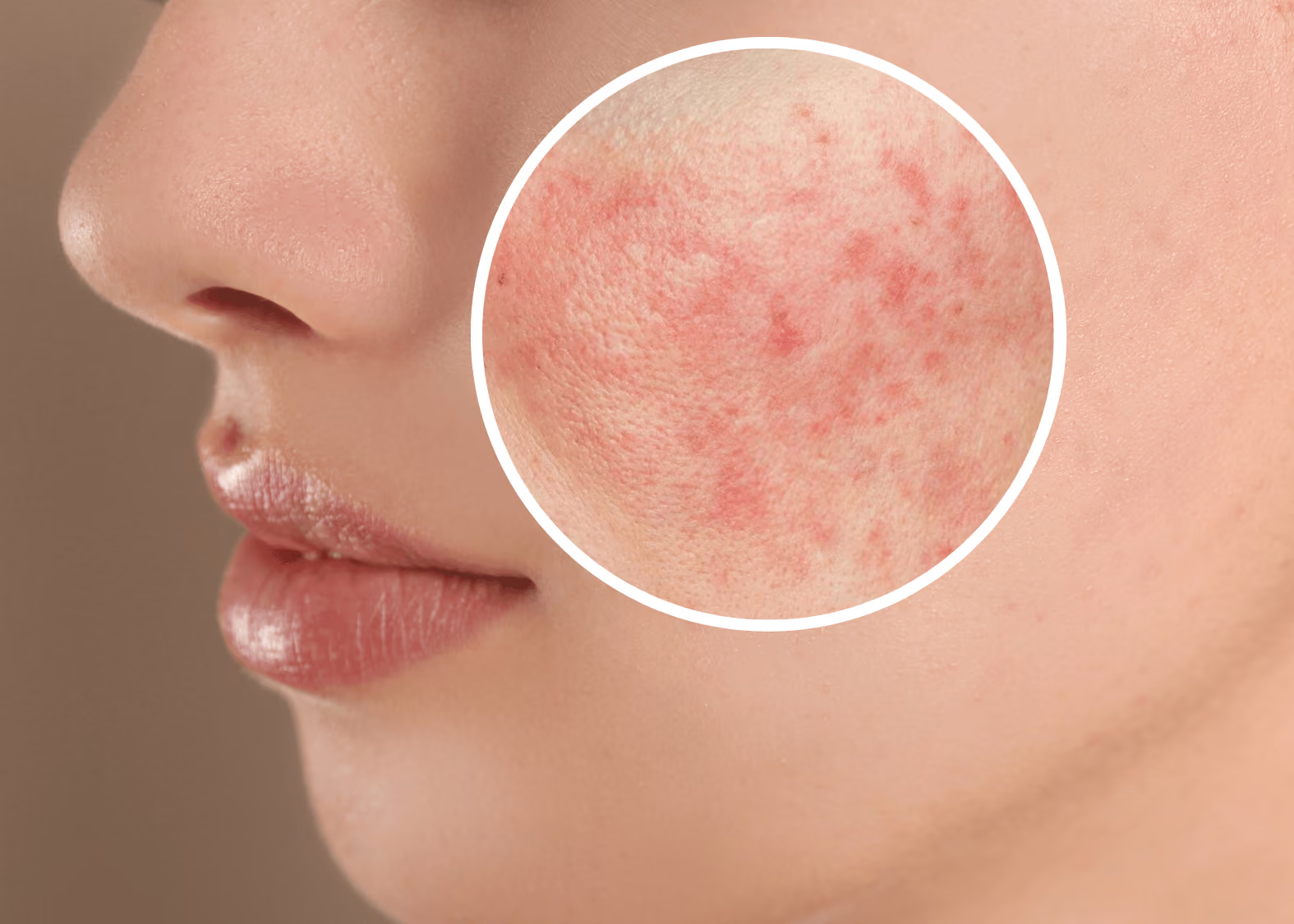
Rosacea is not currently curable, but it is highly manageable. With the right plan, most patients experience long stretches with minimal symptoms and can pinpoint the triggers that cause occasional flares.
You can, but some alcohols trigger flares more than others. Red wine is the most commonly reported trigger. Many patients find they can tolerate small amounts of most alcohols, but heavy drinking or specific triggers will cause flushing. This varies by person.
Laser treatments make a significant, visible difference for visible blood vessels and background redness, especially over a series of treatments. They do not cure rosacea, so maintenance treatments are sometimes needed, but the improvement is durable.
Most acne products are too harsh for rosacea skin and often make it worse. We usually recommend stopping them and using gentler alternatives. Your provider can adjust if you have a mixed pattern of acne and rosacea, which does happen.
Please give us a call and we will be happy to answer all your questions or concerns you may have.