Vitiligo Treatment

Advanced Treatment for Autoimmune Depigmentation

Medical Dermatology
Overview

Vitiligo is a chronic autoimmune condition characterized by loss of skin color due to destruction of melanocyte cells. While vitiligo is not dangerous or contagious, it can significantly impact quality of life and self-confidence. At Cleaver Dermatology and Aesthetics, our dermatologists specialize in treating vitiligo with evidence-based therapies ranging from topical treatments to advanced biologic options. With nine convenient locations across North Georgia (Cumming, Alpharetta, Johns Creek, Canton, Gainesville, Dawsonville, Dahlonega, Toccoa, and Lavonia), we offer comprehensive evaluation and personalized treatment plans.

Recent breakthroughs in vitiligo treatment, particularly FDA-approved JAK inhibitors like ruxolitinib (Opzelura), offer new hope for patients. Combined with phototherapy, topical corticosteroids, and excimer laser therapy, many patients achieve significant repigmentation. Early diagnosis and treatment provide the best outcomes, and our dermatologists stay current with the latest therapeutic advances.

Common Symptoms

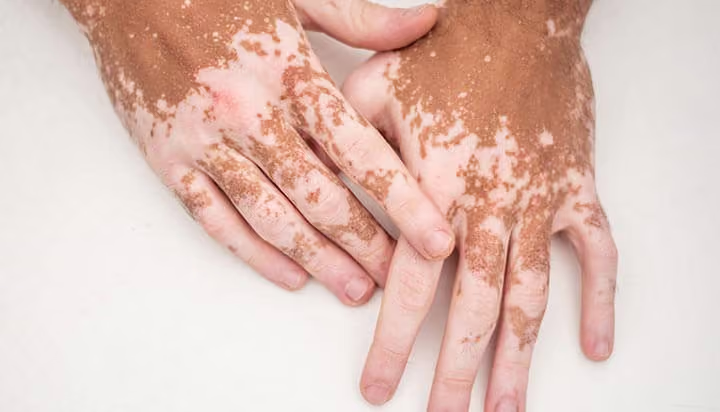
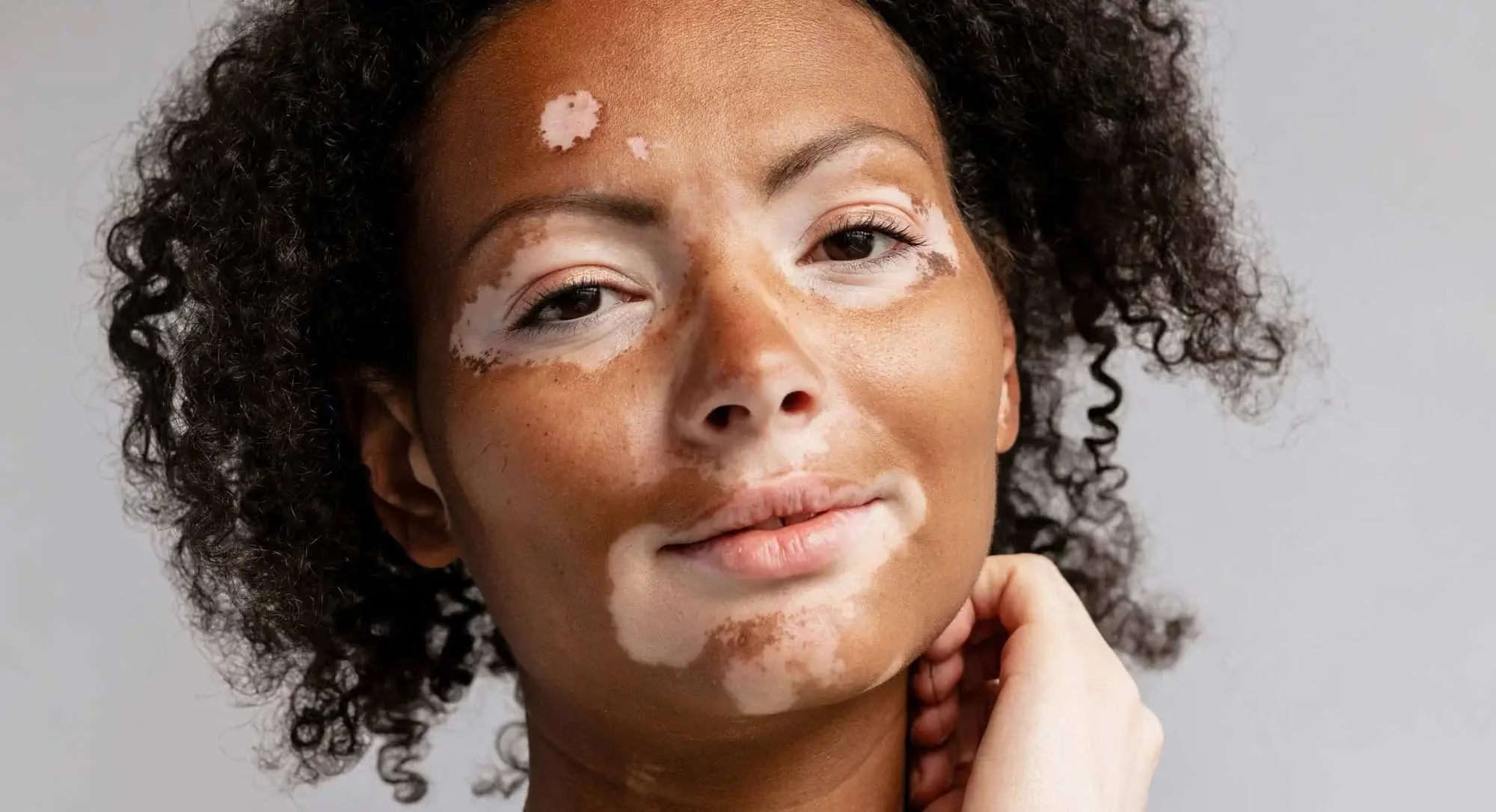
Vitiligo appears as white, depigmented patches on the skin with sharp boundaries and loss of color that can affect any body area, often beginning on exposed areas such as the face, hands, and feet. Hair in affected areas may turn white or gray, and color loss can occur inside the mouth or on the lips. Patches often appear symmetrically on both sides of the body and may progress slowly or develop rapidly with new patches appearing suddenly. While vitiligo is usually painless, patches sometimes cause itching or pain. You may notice hyperpigmentation (darkening) around patch borders in some cases. Beyond the physical symptoms, vitiligo can have significant psychological impact, causing anxiety about appearance, social withdrawal, and reduced self-esteem.

Common Causes

Vitiligo results from an autoimmune mechanism in which the immune system mistakenly attacks and destroys melanocyte cells, the pigment-producing cells of the skin. Strong genetic predisposition plays a major role, with 20 to 30 percent of vitiligo patients having affected family members. Triggering events such as emotional stress, skin trauma or injury (known as Koebner phenomenon), sunburn, or severe illness can initiate vitiligo in genetically predisposed individuals. Associated autoimmune conditions frequently occur with vitiligo, including thyroid disease, pernicious anemia, and systemic lupus erythematosus. Oxidative stress from accumulation of reactive oxygen species damages melanocytes. Environmental exposure to certain chemicals may trigger or worsen vitiligo, and nutritional deficiencies in B12, folate, iron, or zinc may contribute. While vitiligo affects all races equally, it is more noticeable in darker-skinned individuals.

Treatment Options

Topical corticosteroids serve as first-line treatment for localized vitiligo patches. Various potencies are available, with class III potency used for the body and lower potency for the face to avoid atrophy. Applied directly to depigmented areas, these medications promote repigmentation in 30 to 45 percent of patients when used early.

JAK inhibitors represent a major breakthrough in vitiligo treatment. Ruxolitinib (Opzelura) is an FDA-approved topical cream for vitiligo that was approved in 2022. This novel medication works by inhibiting JAK-STAT signaling that drives the immune attack on melanocytes. Significant repigmentation is achieved in many patients within 12 to 24 weeks, and the medication is well-tolerated with minimal systemic absorption when applied topically.

Phototherapy includes narrow-band ultraviolet B (NB-UVB) as the gold standard systemic therapy, requiring 2 to 3 sessions per week for several months. Excimer laser (308 nanometers) provides targeted therapy for localized patches with minimal systemic exposure. These approaches are often combined with topical therapies for enhanced efficacy and require consistent long-term treatment for sustained repigmentation.

Other biologic and systemic options include short-term use of oral corticosteroids for rapidly progressive vitiligo. Calcineurin inhibitors like tacrolimus and pimecrolimus prove especially useful for facial vitiligo without steroid atrophy risk. Emerging therapies including other JAK inhibitors are in clinical development.

What to Expect During Treatment

During your initial consultation at Cleaver Dermatology, our dermatologist will examine your vitiligo patches, discuss the rate of progression, and review any family history of vitiligo or autoimmune disease. We may perform baseline photography and check thyroid function and B12 levels, as these are commonly affected in vitiligo patients.

Treatment selection depends on vitiligo extent, location, and your preferences. For localized patches, topical corticosteroids or Opzelura cream may be started. For generalized vitiligo, phototherapy (NB-UVB or excimer laser) is often recommended. Repigmentation typically begins within 8-12 weeks and improves gradually over months. Most patients see visible improvement within 3-6 months of consistent treatment.

Patience and consistency are essential. Vitiligo treatment requires ongoing therapy, and discontinuation often leads to recurrence of depigmentation. Our team monitors your progress and adjusts treatment as needed.

When to See a Dermatologist

Contact us for any new white patches on the skin, especially if spreading, or depigmentation affecting the face or other visible areas. A family history of vitiligo or autoimmune disease warrants professional evaluation. Vitiligo significantly impacting your quality of life or self-esteem justifies seeking expert care, as does the desire to explore treatment options to achieve repigmentation. If your existing vitiligo is worsening or spreading rapidly, seek professional assessment. Our expertise with newer treatments like JAK inhibitors, combined with our ability to assess concerns about underlying autoimmune conditions and conduct comprehensive skin evaluation for other skin conditions, makes professional consultation valuable.

Prevention and Self-Care

Avoid skin trauma by minimizing scratching, friction, and injury to skin, since trauma can trigger new vitiligo patches through the Koebner phenomenon. Manage stress through stress-reduction techniques, meditation, exercise, and adequate sleep to minimize triggers. Protect depigmented areas from sunburn with SPF 50 plus daily sunscreen since these areas lack melanin and burn easily. Avoid cosmetic tattoos, as tattooing can trigger vitiligo in traumatized skin. Ensure adequate nutritional support through diet or supplementation of B12, folate, iron, and zinc. Schedule annual thyroid screening since thyroid disease is common in vitiligo patients. Use high-coverage makeup or self-tanning products to minimize cosmetic impact while pursuing treatment. Consider counseling or support groups to address the emotional impact of vitiligo. Maintain consistent adherence to your treatment regimen, as faithfully following your prescribed therapy is essential for effectiveness.

FAQs

Is vitiligo contagious?

No, vitiligo is not contagious. It is an autoimmune condition affecting only the individual with the disease. You cannot catch vitiligo from someone else, and people with vitiligo cannot transmit it to others through contact.

Will vitiligo ever go away on its own?

Spontaneous remission of vitiligo is rare, occurring in less than 10% of patients. Without treatment, most vitiligo continues to progress. Early intervention with appropriate therapy offers the best chance for halting progression and achieving repigmentation.

How long until I see results from treatment?

Most patients begin seeing repigmentation within 8-12 weeks of consistent treatment. Significant improvement typically becomes visible within 3-6 months. However, vitiligo treatment requires ongoing therapy; results improve gradually and require patience and consistency.

Can vitiligo be cured?

Vitiligo cannot be cured, but it can be effectively managed and controlled with proper treatment. Many patients achieve substantial repigmentation with current therapies. Long-term treatment maintenance is usually necessary to prevent recurrence.

Is Opzelura effective for all vitiligo?

Opzelura (ruxolitinib) is most effective for facial and intertriginous (skin fold) vitiligo. Results for body vitiligo vary. Some patients respond excellently while others see modest improvement. Our dermatologist will determine if Opzelura is appropriate for your vitiligo patterns and location.

Menu