Seborrheic Keratosis Removal

Safe Removal of Benign Seborrheic Keratosis Growths

Medical Dermatology
Overview

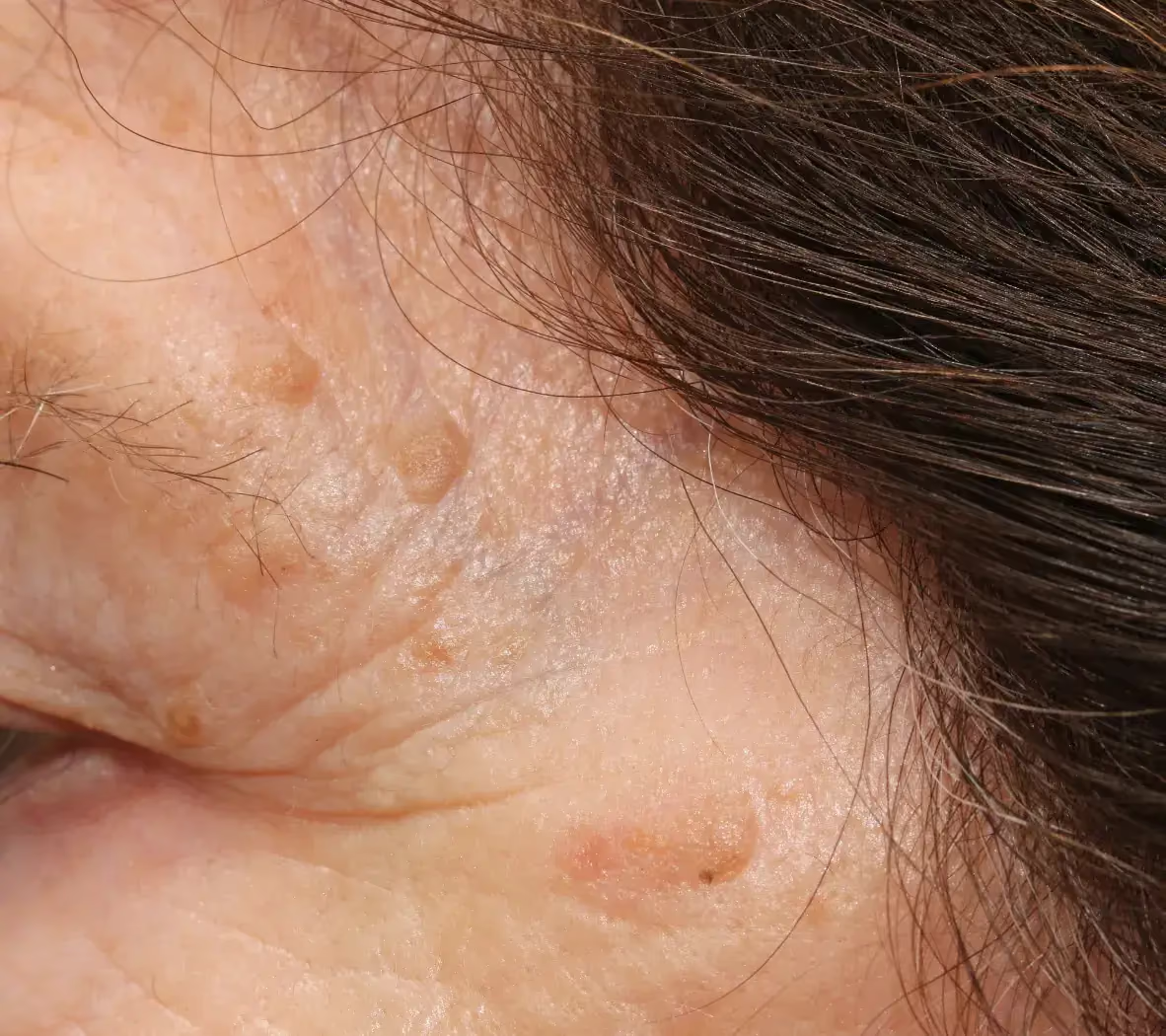
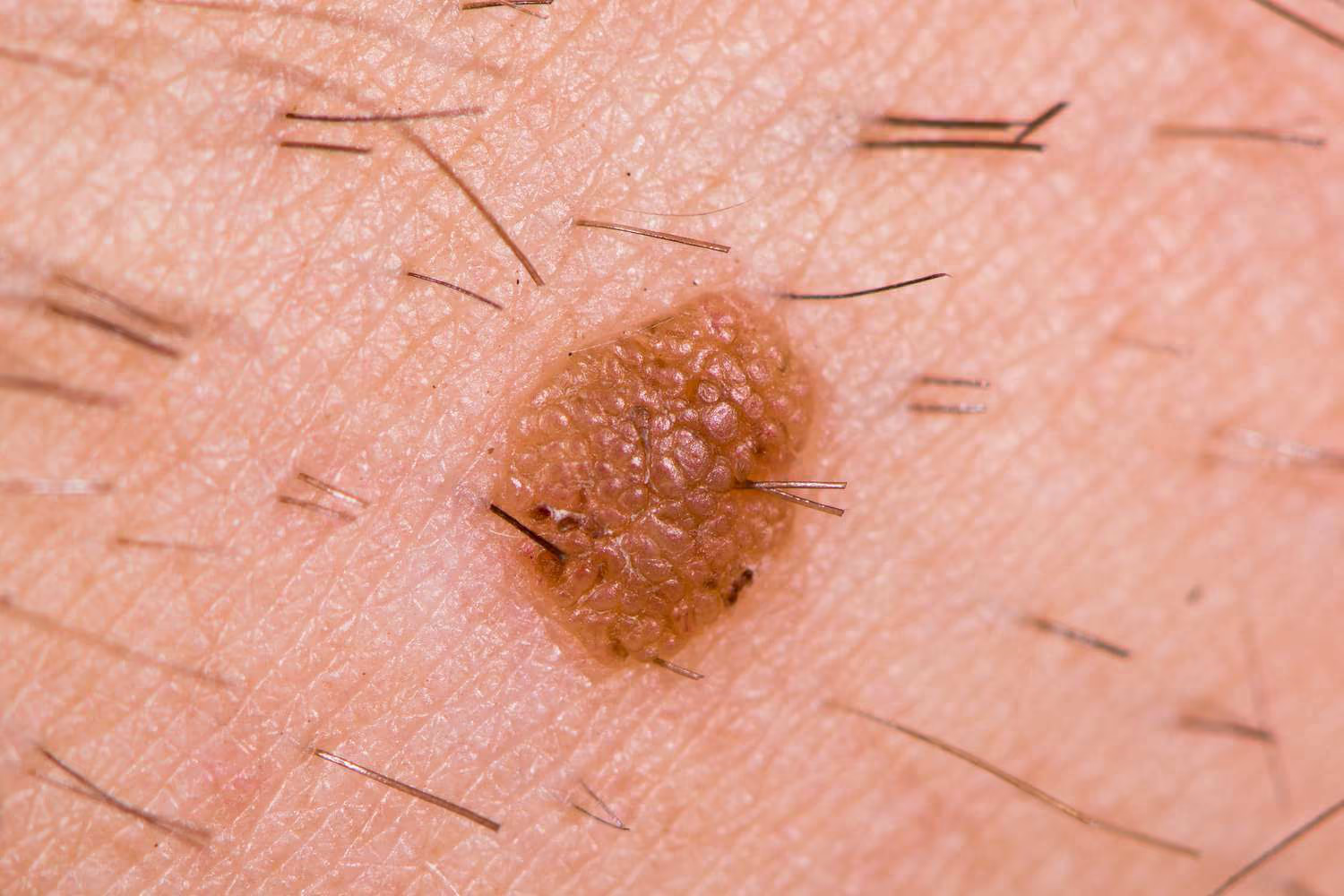
Seborrheic keratosis is one of the most common benign skin growths in older adults. These growths appear as brown, black, or tan waxy bumps on the skin and can vary in size from a few millimeters to over an inch. While they are entirely harmless and never become cancerous, many people choose to have them removed for cosmetic reasons or because they become irritated by friction from clothing. This guide explains the characteristics and management options for seborrheic keratosis.
Common Symptoms

Most seborrheic keratosis lesions do not cause symptoms, though they may become itchy or irritated if caught on clothing or jewelry. Affected areas may be slightly raised or flat, feel waxy or crusty to the touch, and can appear in various shades of brown, black, or tan. Some lesions may be flesh-colored. Size varies from barely visible to over 1 inch across. Mild bleeding or oozing can occur if a lesion is scratched or traumatized.

Common Causes

Seborrheic keratosis occurs when keratinocytes (skin cells) overgrow in a particular pattern on the skin surface. These growths are not caused by sun damage, though they become more common with age. Risk factors include advancing age, genetic predisposition, and darker skin types (where they appear as dark brown or black waxy growths). They are completely benign and non-cancerous.

Treatment Options

Seborrheic keratosis does not require treatment unless it is itching, bleeding, caught on clothing, or bothersome for cosmetic reasons. Removal options include cryotherapy (freezing), curettage and cautery, electrocautery, or laser removal. These procedures are typically performed in the office under local anesthesia. Since seborrheic keratosis is benign, removal is purely elective. New growths may continue to develop as you age, as this is a normal part of aging skin.

What to Expect During Treatment

Your dermatologist will examine the growth and may use dermoscopy for closer inspection. Seborrheic keratosis has characteristic features visible under magnification, so biopsy is rarely needed unless diagnosis is uncertain. If removal is desired, the procedure is quick and performed in the office. Cryotherapy involves brief contact with liquid nitrogen; electrocautery uses heat to remove the lesion. Some redness or crusting may occur after treatment, and healing typically takes 1-3 weeks. Scarring is minimal with most removal methods.

When to See a Dermatologist

While seborrheic keratosis is benign, you should see a dermatologist if you are unsure whether a growth is seborrheic keratosis or another type of skin lesion. Additionally, seek evaluation if a growth changes in appearance, bleeds, becomes infected, or causes discomfort. Dermatologists can confirm the diagnosis and discuss removal options if desired. If you develop a new growth that looks different from your other seborrheic keratosis lesions, professional evaluation is recommended.

Prevention and Self-Care

Since seborrheic keratosis is related to aging and genetic factors rather than sun exposure, there is no proven way to prevent them. However, maintaining overall skin health through sun protection, moisturizing, and avoiding irritants may help maintain skin appearance. Avoid picking or scratching at seborrheic keratosis lesions, as this can cause bleeding and irritation. Wearing loose clothing can prevent friction on lesions in areas prone to irritation.

FAQs

Is seborrheic keratosis cancerous?

No, seborrheic keratosis is completely benign and does not turn into skin cancer. However, because they can sometimes resemble melanoma or other skin cancers to the untrained eye, it's important to have a dermatologist confirm the diagnosis. Our doctors can distinguish seborrheic keratosis from concerning lesions.

Will seborrheic keratosis come back after removal?

Once a seborrheic keratosis is removed, that specific growth will not return. However, you may develop new seborrheic keratosis in other areas, which is normal with aging. Regular skin checks help monitor for new growths.

Do I need to have seborrheic keratosis removed?

Removal is optional and purely cosmetic unless the growth is irritated, bleeding, or causing functional problems. Many people choose removal for cosmetic reasons or peace of mind. If the growth isn't bothersome, no treatment is necessary.

Which removal method is best?

The best method depends on the keratosis size, thickness, location, and your preferences. Cryotherapy is quick and simple; shave removal gives the best cosmetic results; electrodessication works well for raised, thick growths. Our dermatologist will recommend the best option for your specific growth.

Will there be scarring after removal?

Minimal to no scarring is expected when removal is performed by an experienced dermatologist. Shave removal typically leaves minimal visible scarring. Cryotherapy and electrodessication are also known for minimal scarring. Healing is usually quick and complete within 1-2 weeks.

Menu