Fungal Skin Infections

Effective Treatment for Ringworm, Athlete's Foot & More

Medical Dermatology
Overview

Fungal skin infections are among the most common dermatologic conditions and include ringworm (tinea corporis), athlete's foot (tinea pedis), jock itch (tinea cruris), scalp ringworm (tinea capitis), nail fungus (onychomycosis), and the yeast-driven tinea versicolor. Most are caused by dermatophyte fungi or by Malassezia yeast that lives on normal skin and overgrows in the right conditions.

The good news is that almost all of these infections are highly treatable once correctly diagnosed. The catch is that many rashes are wrongly assumed to be fungal, treated with topical steroid, and made worse, while true fungal infections are sometimes missed and treated as eczema. A proper diagnosis, often confirmed with a brief KOH preparation or fungal culture in the office, is the key to fast resolution.

At Cleaver Dermatology and Aesthetics, our board-certified dermatologists diagnose and treat every form of fungal skin infection at all nine of our offices across North Georgia and Metro Atlanta.

Common Symptoms

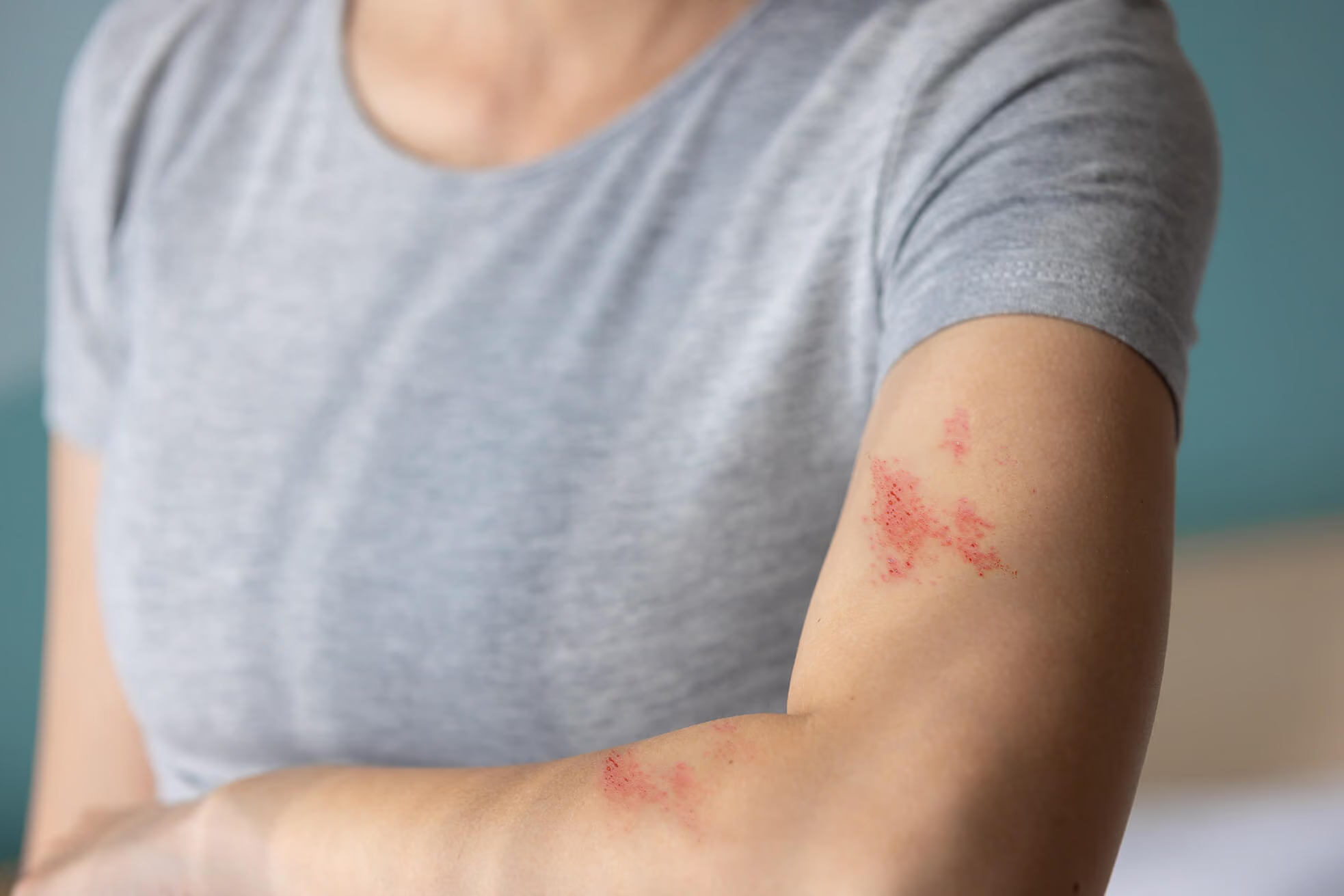
Tinea corporis (ringworm of the body) presents as round or oval, scaly, pink or red patches with a raised, more active border and central clearing, which is what gives the appearance of a ring. Tinea pedis (athlete's foot) typically appears between the toes with maceration and itch, on the soles with a fine moccasin-pattern scale, or as itchy blisters on the arches. Tinea cruris (jock itch) involves the groin folds with a scaly red plaque that often spares the scrotum.

Tinea capitis is most common in children and produces patches of scaling and hair loss, sometimes with broken hairs (black dots), painful boggy plaques (kerion), or simple scaling that looks like dandruff. Onychomycosis causes thickening, yellow-brown discoloration, lifting of the nail plate, and crumbly debris under the nail. Tinea versicolor produces light or dark scaly patches on the chest, back, and shoulders that often become more noticeable when the surrounding skin tans, since the affected areas do not pigment normally.

Common Causes

Dermatophyte fungi (Trichophyton, Microsporum, Epidermophyton species) are spread through direct skin contact, contaminated surfaces, and infected pets and farm animals. Warm, moist environments such as locker rooms, swimming pools, communal showers, and gym mats are high-risk. Sweating, occlusive footwear, tight clothing, and shared towels or razors all promote spread. Children pick up tinea capitis from each other and from family pets, particularly cats.

Tinea versicolor is caused by overgrowth of Malassezia yeast that normally lives on the skin, favored by hot humid weather, oily skin, and adolescence. Risk goes up with diabetes, obesity, immunosuppression, and use of broad-spectrum antibiotics or systemic steroids. People with poor circulation, peripheral neuropathy, or hyperhidrosis are particularly prone to athlete's foot and nail fungus.

Treatment Options

For tinea corporis, cruris, and pedis without nail or scalp involvement, topical antifungals are first-line. Terbinafine cream once or twice daily for two to four weeks, or azole creams such as clotrimazole, miconazole, or ketoconazole for four to six weeks, clear most cases. Continue treatment for one to two weeks past visible clearing to prevent rebound. Avoid combination antifungal-steroid creams (such as Lotrisone) for tinea, since the steroid often worsens or masks the infection.

Tinea capitis requires oral antifungals because topicals do not penetrate hair follicles. Griseofulvin, terbinafine, fluconazole, or itraconazole are options, with treatment durations of four to twelve weeks depending on the species. Antifungal shampoos such as ketoconazole 2 percent or selenium sulfide are used as adjuncts to reduce shedding to family members.

Onychomycosis is the most stubborn form to treat. Oral terbinafine for six weeks (fingernails) or twelve weeks (toenails) has the highest cure rates. Topical efinaconazole (Jublia), tavaborole (Kerydin), and ciclopirox (Penlac) are options for mild cases or patients who cannot take oral therapy. Healthy nail growth out from the matrix takes six to nine months for fingernails and twelve to eighteen months for toenails, so visible improvement is slow even with effective treatment.

Tinea versicolor responds to topical selenium sulfide 2.5 percent shampoo, ketoconazole shampoo, or topical antifungal creams, often left on for ten to fifteen minutes daily for one to two weeks. Recurrence is common and many patients use a maintenance shampoo once a month, especially in summer. The pigment changes can take several months to even out after the yeast is cleared.

What to Expect During Treatment

Your visit usually begins with examination of the rash. We often perform a quick KOH preparation in the office, in which a small skin scraping is examined under the microscope to look for fungal elements, or a fungal culture, which takes a few weeks but identifies the specific organism. The right diagnostic test prevents weeks or months of inappropriate treatment.

Topical antifungal courses produce visible clearing in two to four weeks for most body and groin infections. Athlete's foot may take longer, especially the moccasin pattern. Oral antifungals require baseline labs in many cases (especially for terbinafine and itraconazole, where we monitor liver function) and follow-up to confirm cure.

For nail fungus, we set realistic expectations. Even when the medication kills the fungus, the nail itself takes many months to grow out, and 100 percent cosmetic clearance is not always achieved. Patients with diabetes, peripheral vascular disease, or recurrent cellulitis benefit particularly from treating onychomycosis to lower the chance of skin infections.

When to See a Dermatologist

See a dermatologist if a rash is not responding to over-the-counter antifungal cream after two to four weeks, if the rash is spreading, if it covers a large area, or if it involves the scalp, face, or nails. Have any scaling rash on a child's scalp evaluated, since tinea capitis needs oral therapy and spreads easily in classrooms. Repeat or stubborn athlete's foot, particularly with associated nail thickening, deserves a visit so we can address both at once.

Patients with diabetes who develop foot fungal infections should be seen promptly because of the risk of bacterial superinfection.

Prevention and Self-Care

Keep skin clean and dry, especially between the toes, in the groin, and under the breasts. Change out of damp clothes promptly after exercise, and rotate shoes so each pair has 24 to 48 hours to dry between wears. Wear flip-flops in locker rooms, gym showers, and around pools. Use moisture-wicking socks, change them midday if your feet sweat heavily, and consider antifungal powder in shoes for prevention if you are prone to athlete's foot.

Do not share towels, razors, brushes, hats, or shoes. Wash gym clothes and bath towels in hot water. Treat household members and pets at the same time when ringworm has spread within the home, since untreated carriers are the most common reason for recurrence. For tinea versicolor, periodic use of antifungal shampoo (once a week or once a month) before warm-weather seasons keeps it from coming back.

FAQs

How long does it take to get rid of a fungal infection?

Most fungal infections improve within 2-4 weeks of treatment. However, toenail fungus may take 3-6 months or longer since the nail must grow out to show improvement. It's important to complete the full course of medication even after symptoms resolve.

Can I get a fungal infection from my pet?

Some fungal infections (like ringworm) can be transmitted from pets to humans. If you suspect ringworm, avoid direct contact with your pet and wash your hands frequently. Consult your veterinarian about treating your pet.

Are fungal infections contagious?

Yes, many fungal infections are contagious and spread through direct contact or contaminated surfaces. Avoid sharing towels, razors, nail clippers, and other personal items. Practicing good hygiene helps prevent spreading to others.

Why do fungal infections come back?

Fungal infections may recur if treatment isn't completed fully, if environmental conditions remain warm and moist, or if the underlying cause isn't addressed. Our dermatologists help identify recurrence risk factors and develop prevention strategies.

Can I use over-the-counter products instead of prescription medication?

OTC antifungals work well for mild infections. However, if your infection persists beyond 2-3 weeks, involves nails or scalp, is widespread, or keeps recurring, prescription-strength medications are often more effective.

Menu