Cysts & Lipomas

Professional Removal of Skin Cysts and Benign Lipomas

Medical Dermatology
Overview

Cysts and lipomas are benign growths that show up under the skin and are among the most common reasons patients come in for a removal procedure. Both are noncancerous, but they can be uncomfortable, unsightly, or in the way, and they sometimes become inflamed or infected. Many patients live with these for years before deciding they would like them gone.

An epidermoid cyst (the most common skin cyst, sometimes called a sebaceous cyst, although that term is technically incorrect) forms when surface skin cells become trapped beneath the skin and produce keratin inside a thin sac. A lipoma is a soft, mobile collection of mature fat cells in a fibrous capsule.

At Cleaver Dermatology and Aesthetics, our board-certified dermatologists remove cysts and lipomas as in-office procedures at all nine of our North Georgia and Metro Atlanta offices. Most patients are in and out the same day with a few stitches and same-day results.

Common Symptoms

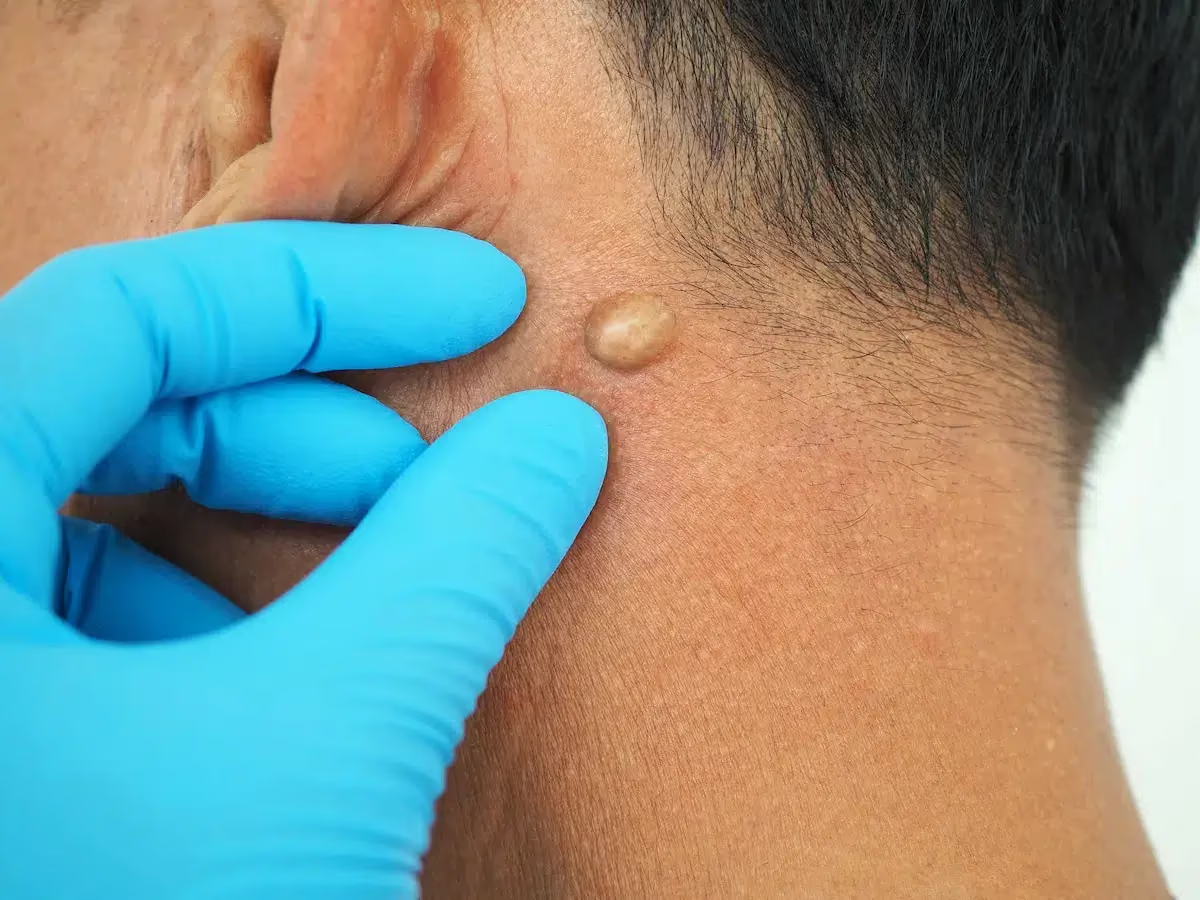
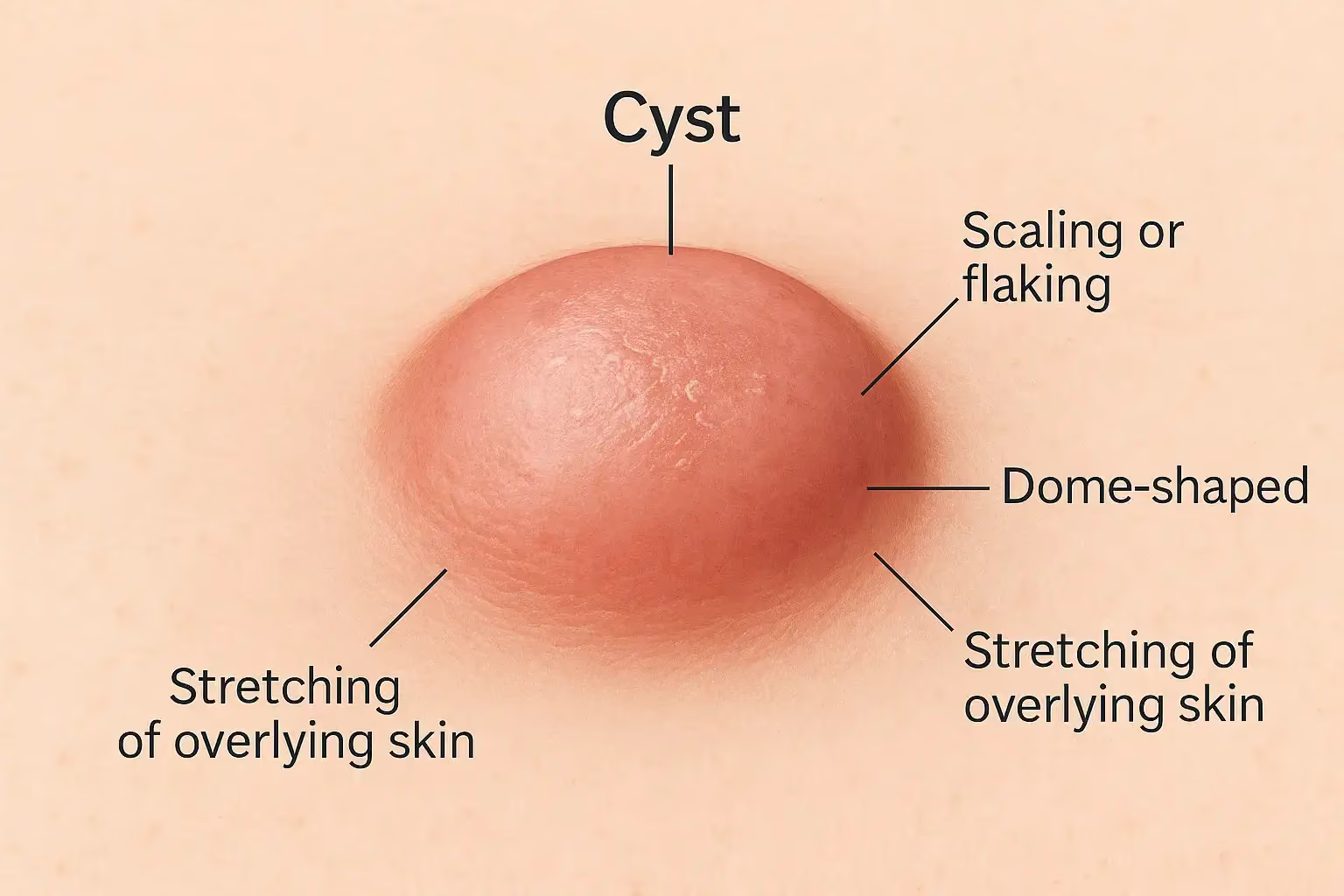
An epidermoid cyst is a round, dome-shaped, firm-to-doughy bump under the skin, usually one to five centimeters across, with a small central pore that may sometimes ooze a thick, cheesy material with a distinctive odor. Most are painless. They can become inflamed, red, swollen, and tender, particularly if the wall ruptures and the contents spill into the surrounding tissue, which can also look like an infection.

Pilar cysts are similar but arise on the scalp from hair follicle epithelium, and they tend to run in families. A lipoma feels like a soft, rubbery, easily movable lump just beneath the skin, usually between two and ten centimeters, most often on the trunk, shoulders, neck, upper arms, or thighs. Lipomas are typically painless. The angiolipoma variant, which contains many blood vessels, is the exception and can be tender. Multiple lipomas in the same person are common and sometimes hereditary.

Common Causes

Epidermoid cysts form when surface skin or hair follicle cells get trapped beneath the skin, often after minor trauma or follicular plugging. They can occur anywhere, but the face, neck, chest, and back are most common. Pilar cysts on the scalp tend to be inherited in an autosomal dominant pattern. Multiple cysts at younger ages can occasionally indicate Gardner syndrome, which warrants further evaluation.

Lipomas are the most common soft tissue tumors, and they tend to run in families. Familial multiple lipomatosis, in which someone develops dozens of lipomas, is a hereditary condition. The exact cause is not well understood, but minor injury, genetics, and metabolic factors all appear to play a role. Most lipomas appear in middle age and slowly enlarge over years.

Treatment Options

The standard removal of an epidermoid cyst involves excision of the entire cyst, including the wall (the sac), under local anesthesia. Removing the wall is what prevents recurrence, and is why simply popping or draining the cyst at home almost always allows it to come back. The procedure takes 20 to 40 minutes and is closed with sutures.

If a cyst is acutely inflamed or infected, we typically incise and drain it first to relieve pressure, then remove the residual cyst wall a few weeks later once the inflammation has settled. This two-step approach gives a better cosmetic result than removing the cyst during an active flare.

Lipomas are typically removed through a small incision over the lump, after which the lipoma is lifted out of its capsule and the wound closed with sutures. For larger lipomas a slightly longer incision is needed. Liposuction is occasionally used for very large lipomas to minimize scar length, although it carries a higher recurrence rate. Steroid injection can shrink small lipomas in selected cases without surgery, but excision remains the most reliable definitive treatment for both lipomas and cysts.

Specimens are routinely sent to pathology to confirm diagnosis. Although these growths are almost always benign, the small fraction that turn out to be something else are caught at this step rather than later.

What to Expect During Treatment

The visit starts with examination of the lump and a discussion of removal options, scar location, and recovery. The procedure itself is performed in the office under local anesthesia, which numbs the area within a few minutes. Most patients feel pressure rather than pain during the procedure.

Stitches typically come out in seven to fourteen days, depending on location. There will be a thin linear scar, the length of which is roughly proportional to the diameter of the original lump. Plan to avoid heavy lifting and intense exercise for one to two weeks after a back, chest, or shoulder removal, since these areas tend to spread sutures.

Recurrence is uncommon when the cyst wall is fully removed, but it does happen, especially for cysts that had been previously inflamed or drained. Lipomas recur even less often. Pathology results are typically available within five to seven business days.

When to See a Dermatologist

Schedule an evaluation if a lump is growing, painful, recently changed, draining, or in a location that catches on clothing or jewelry. Have any new firm lump under the skin examined rather than assumed to be a cyst or lipoma, especially if it is fixed in place, tender, growing rapidly, or associated with skin changes.

Acutely red, hot, painful cysts deserve prompt attention so we can drain them and prevent the infection from worsening. Multiple cysts or lipomas at younger ages, or a strong family history, warrant a conversation about screening for inherited conditions.

Prevention and Self-Care

Cysts and lipomas usually cannot be prevented. Do not try to squeeze, drain, or excise them at home. That spreads contents into the surrounding tissue, raises the chance of infection, makes professional removal harder later, and almost always leaves a worse scar than a planned in-office procedure. If a cyst becomes red and tender, a warm compress for ten to fifteen minutes a few times a day can ease symptoms while you wait for an appointment.

After removal, follow our wound care instructions: keep the incision clean and dry for the first 24 hours, then gently wash the area daily, apply petroleum-based ointment to keep it moist, and cover with a clean bandage. Once healed, daily SPF 30 sunscreen on the scar for at least six months minimizes pigmentation and helps the scar fade.

FAQs

Are cysts and lipomas dangerous?

Cysts and lipomas are benign growths and are not dangerous. They do not become cancerous or cause serious health problems. However, infected cysts may require drainage and antibiotics. Removal is recommended if they become bothersome, infected, or cosmetically concerning.

Can cysts and lipomas be removed at home?

No, attempting to remove cysts or lipomas at home is not recommended. This can lead to infection, scarring, incomplete removal, and recurrence. Professional surgical removal by a dermatologist ensures complete resolution with minimal scarring and proper healing.

Will a cyst or lipoma come back after removal?

When a cyst or lipoma is completely and properly removed by a dermatologist, recurrence is rare. However, new cysts or lipomas may develop in other areas of the body if you are predisposed to them genetically.

How long does cyst or lipoma removal take?

Most cyst and lipoma removals are quick office procedures taking 15-30 minutes depending on size and location. The procedure is performed under local anesthesia, so you remain awake but comfortable throughout.

Will removal leave a scar?

Professional dermatologic removal techniques minimize scarring. Small incisions, careful closure, and proper aftercare result in minimal, often barely visible scars. Scars typically fade over several months to a year. Cleaver Dermatology and Aesthetics dermatologists prioritize cosmetic outcomes.

Menu