Contact Dermatitis Treatment

Expert Diagnosis and Treatment of Allergic & Irritant Contact Dermatitis

Medical Dermatology
Overview

Contact dermatitis is an inflammatory rash caused by something touching the skin. There are two main types: irritant contact dermatitis, which is direct chemical or physical injury to the skin, and allergic contact dermatitis, which is a true delayed-type immune reaction to a specific allergen. Together, they are among the most common reasons for dermatology visits and a frequent cause of work-related skin disease.

The challenge with contact dermatitis is identifying the offender, since rashes look similar regardless of cause. Patch testing, the gold standard for diagnosing allergic contact dermatitis, lets us systematically identify the specific chemical responsible.

At Cleaver Dermatology and Aesthetics, our board-certified dermatologists evaluate, patch test, and treat contact dermatitis at all nine of our offices in North Georgia and Metro Atlanta. The right diagnosis means a real fix, not just round after round of steroid creams.

Common Symptoms

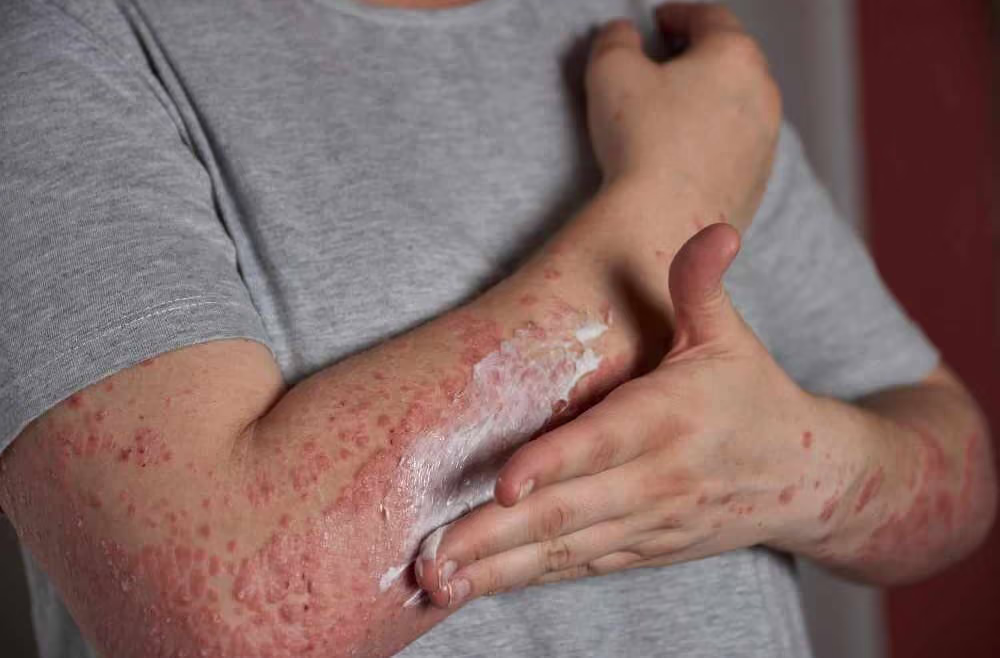
Acute contact dermatitis appears as red, itchy, sometimes weeping or blistering skin, often with an outline that hints at the source: a square patch under a watch, a strip across the wrists from a new bracelet, a band across the eyelids from a fragrance, or rectangular patches on the abdomen from a belt buckle. Linear streaks on exposed skin after a hike are typical for poison ivy, oak, or sumac.

Chronic contact dermatitis develops over weeks to months and looks more like dry, thickened, scaly, and cracked skin, often on the hands of healthcare workers, hairdressers, food service workers, and others who wash their hands frequently or wear gloves. The hands, face, eyelids, lips, and feet are the most common sites overall. Eyelid dermatitis is often caused by something the patient touches with their hands and then transfers to the face, such as nail polish.

Common Causes

Irritant contact dermatitis is the more common type and accounts for about 80 percent of cases. Frequent hand washing, soaps, detergents, solvents, alcohol-based hand sanitizers, urine, and saliva can all damage the skin barrier and produce dermatitis without involving the immune system. Wet work and occupational exposures are major drivers.

Allergic contact dermatitis is a delayed type IV hypersensitivity reaction. Common allergens include nickel (the most common contact allergen, present in jewelry, belt buckles, and zippers), fragrance mix and balsam of Peru (in skincare and personal care products), preservatives such as methylisothiazolinone, formaldehyde-releasers, and parabens, hair dye ingredient paraphenylenediamine, rubber chemicals in gloves and shoes, neomycin and bacitracin in topical antibiotics, and the urushiol oil in poison ivy, oak, and sumac. Risk goes up with eczema, occupational exposure, frequent product changes, and a damaged skin barrier.

Treatment Options

The first and most important treatment is identifying and avoiding the trigger. Topical corticosteroids reduce inflammation and itching while you and your dermatologist work out the cause. Mid-potency steroids such as triamcinolone are typical for the body, while lower-potency options such as hydrocortisone or desonide are used on the face and skin folds.

For widespread or severe acute reactions, a tapering course of oral prednisone (typically two to three weeks, not a five-day pack, which often causes rebound) settles the rash. Calcineurin inhibitors such as tacrolimus and pimecrolimus are useful steroid-sparing alternatives, particularly on the face and eyelids, and are safe for long-term use.

Patch testing is the centerpiece of evaluation when allergic contact dermatitis is suspected. We apply standardized panels of allergens to your back, you keep them in place for 48 hours, and we read reactions at 48 and 96 hours. The result is a list of substances you are truly allergic to, along with practical guidance on which products contain them and which alternatives are safe. Common panels include the American Contact Dermatitis Society Core Series and supplemental panels for hairdressers, dental workers, and other occupations.

For chronic hand dermatitis that does not respond to avoidance and topicals, options include phototherapy, dupilumab, and oral JAK inhibitors. Barrier repair using bland emollients applied throughout the day is essential for healing.

What to Expect During Treatment

Your first visit includes a careful history of when and where the rash appears, what products you use, what your work and hobbies involve, and what has helped or worsened the rash. Bring a list or photos of every personal care product you use, including shampoo, conditioner, soap, sunscreen, deodorant, and cosmetics, so we can review ingredients.

If patch testing is recommended, plan for three visits in one week: application, removal at 48 hours, and reading at 96 hours. The patches must stay dry, so you will not be able to shower or exercise vigorously during testing. Avoid topical steroids on the back for at least one week before testing, and stop oral steroids two weeks beforehand if possible, since they can suppress reactions.

Once the trigger is identified, expect substantial improvement within two to six weeks of strict avoidance. Hands and feet, with their thicker skin, often heal more slowly than the body. We hand you a list of safe products at the end of patch testing, along with the names of the chemicals to watch for on labels.

When to See a Dermatologist

See a dermatologist if you have a recurring rash that you cannot match to an obvious trigger, a rash that is interfering with work or sleep, a rash on the face or eyelids, or hand dermatitis that has not responded to over-the-counter hydrocortisone and moisturizer over a few weeks. Seek care promptly for severe blistering, swelling around the eyes, or a rash spreading rapidly after exposure to a new product or plant.

If your job involves frequent hand washing, glove use, or chemical exposure and your hands are breaking down, get evaluated. Patch testing combined with workplace adjustments can prevent the career-threatening hand dermatitis we see too often when this is left untreated.

Prevention and Self-Care

Read labels. Once your allergens are known, you have to avoid them in every product that touches your skin, which means checking ingredients on shampoos, soaps, sunscreens, cosmetics, and any product handed to you in a salon or spa. Apps and the American Contact Dermatitis Society Contact Allergen Management Program (CAMP) make this much easier than it used to be.

Protect your hands at work and at home. Cotton-lined vinyl or nitrile gloves for wet work, fresh gloves for each task, and a thick fragrance-free hand cream applied many times a day rebuild and preserve the barrier. Avoid hot water, harsh soaps, and waterless hand sanitizers when possible. If a rash flares despite your best avoidance, get back in promptly so we can adjust before it becomes chronic.

FAQs

What's the difference between allergic and irritant contact dermatitis?

Allergic contact dermatitis is an immune response to an allergen; only those sensitized to the allergen develop the reaction. Irritant contact dermatitis results from direct chemical damage to the skin and can affect anyone exposed to the irritant. Both cause similar symptoms but require different management approaches.

Is patch testing painful?

No, patch testing is painless and non-invasive. Small amounts of potential allergens are applied to patches and placed on your back for 48 hours. You simply return for readings at 48 and 96 hours. Most patients find it very tolerable and the results are invaluable for identifying triggers.

Can contact dermatitis spread to other parts of my body?

The rash itself doesn't spread like an infection. However, if you continue exposing other areas of skin to the allergen or if the allergen transfers to other areas (such as on your hands), the dermatitis may appear in those locations. Careful avoidance prevents this.

How long does contact dermatitis last?

With proper treatment and avoidance of the trigger, most contact dermatitis clears within 3-4 weeks. Mild cases may improve in 1-2 weeks. However, if you continue exposing yourself to the allergen, the dermatitis can persist indefinitely. Complete healing requires both treatment and avoidance.

Will I always be allergic to the substance that caused my contact dermatitis?

Once you develop an allergic sensitization, you typically remain allergic to that substance for years or even life. However, with complete avoidance of the allergen, you won't experience dermatitis. Our dermatologists help you identify safe substitutes and develop long-term avoidance strategies.

Menu