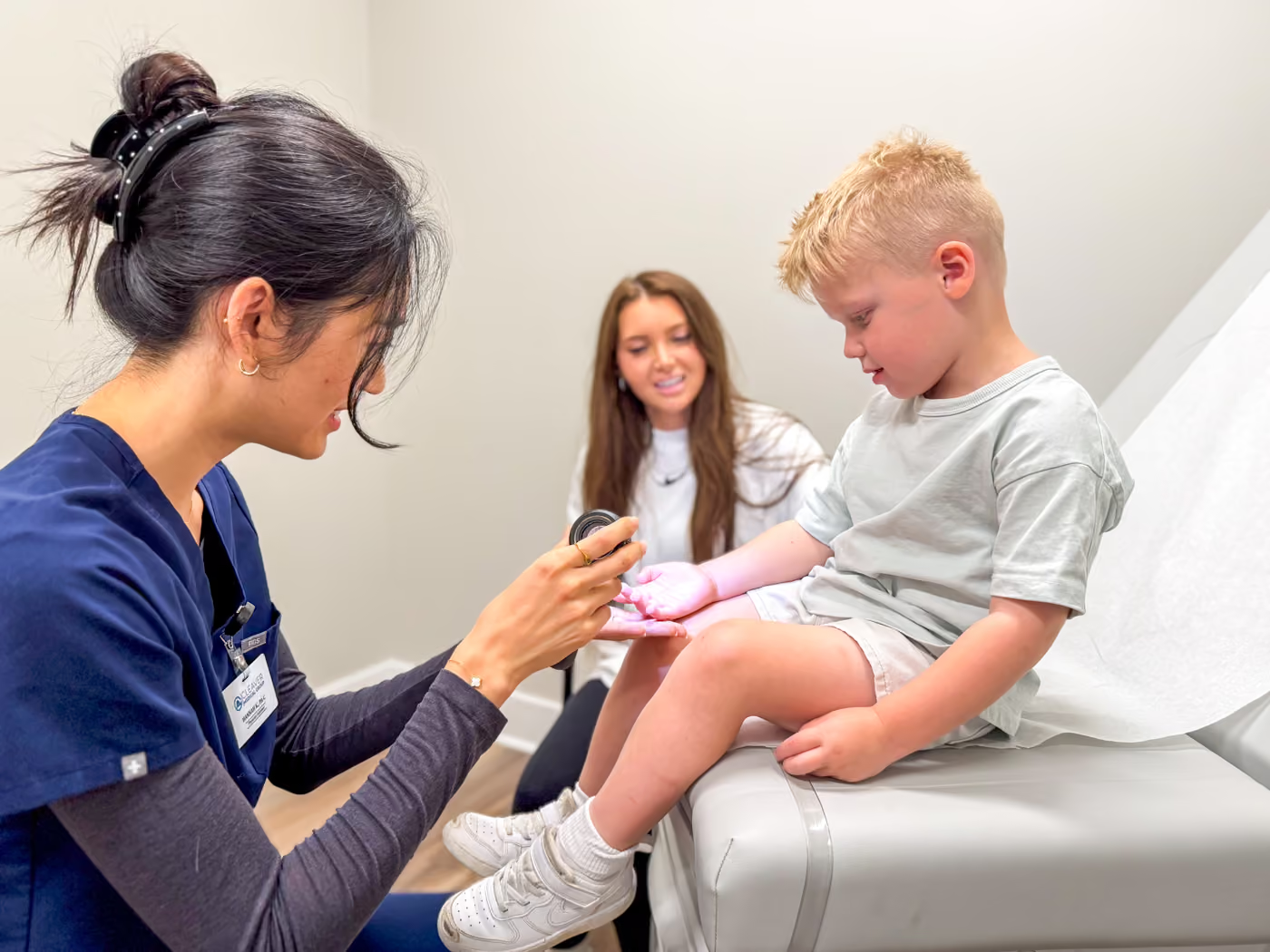
From baby eczema to teenage acne, we see every age at every location
Kids are not small adults. Their skin behaves differently, reacts to treatments differently, and they tell you what hurts differently. Our providers see children of all ages, from infants to teens, with the patience and expertise that pediatric dermatology requires. Every visit is built around making the child comfortable first, then getting the medical work done second.
All nine of our North Georgia and Metro Atlanta offices see pediatric patients. Most common conditions, like eczema, diaper rashes, warts, molluscum, mild acne, and allergic skin reactions, can be handled at any location. For more complex or rare pediatric conditions, we may suggest the specific providers on our team with the most experience in that area.

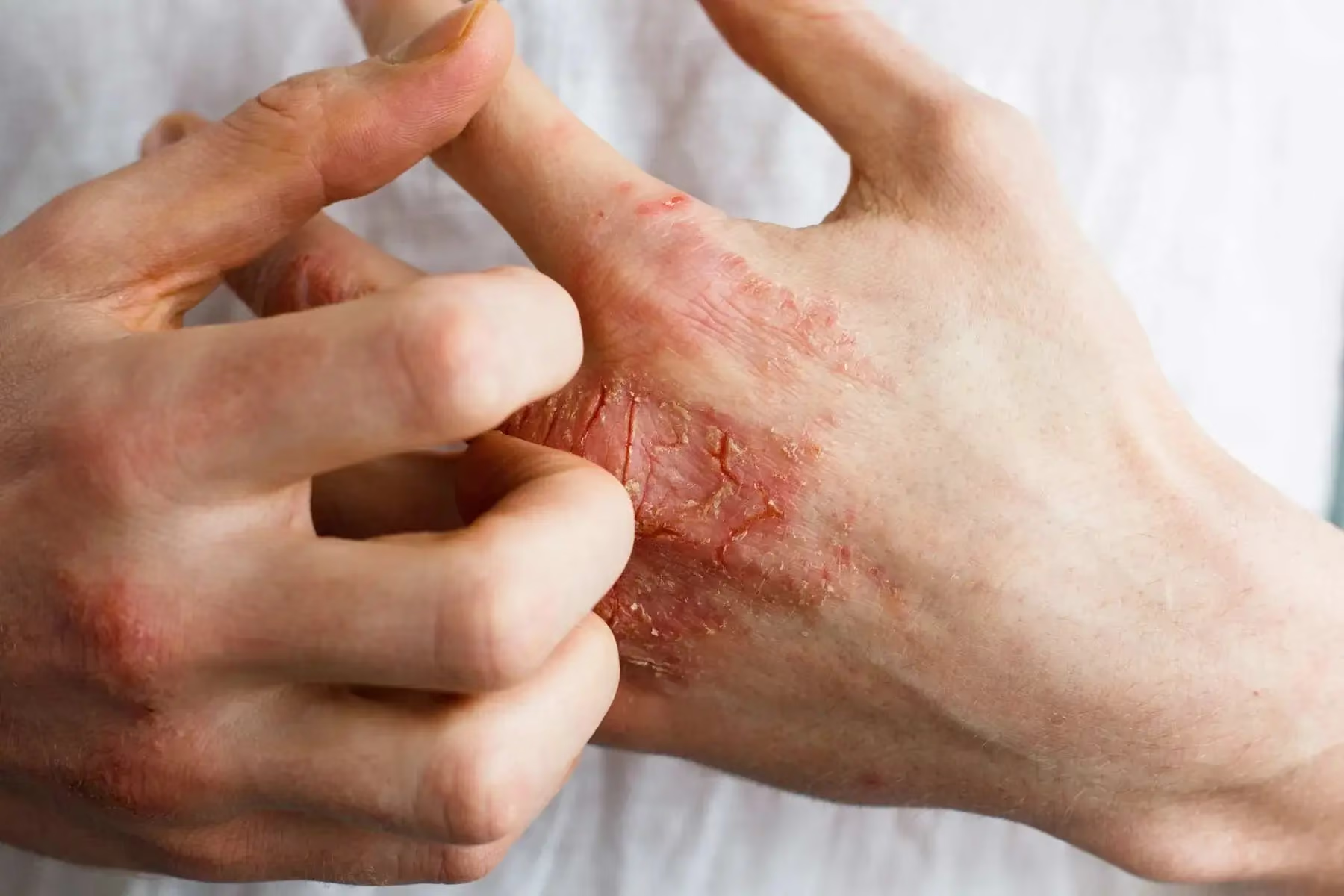
Eczema, also called atopic dermatitis, is the single most common reason parents bring kids to dermatology. It shows up as dry, red, itchy patches, often on cheeks in babies and on the creases of elbows and knees in older children. The cornerstone of treatment is a thick, fragrance-free moisturizer applied at least twice daily, paired with a short course of a prescription cream during flares. Eczema is a long-term condition for most kids, but it almost always improves with time, and about half of children grow out of it by adulthood.
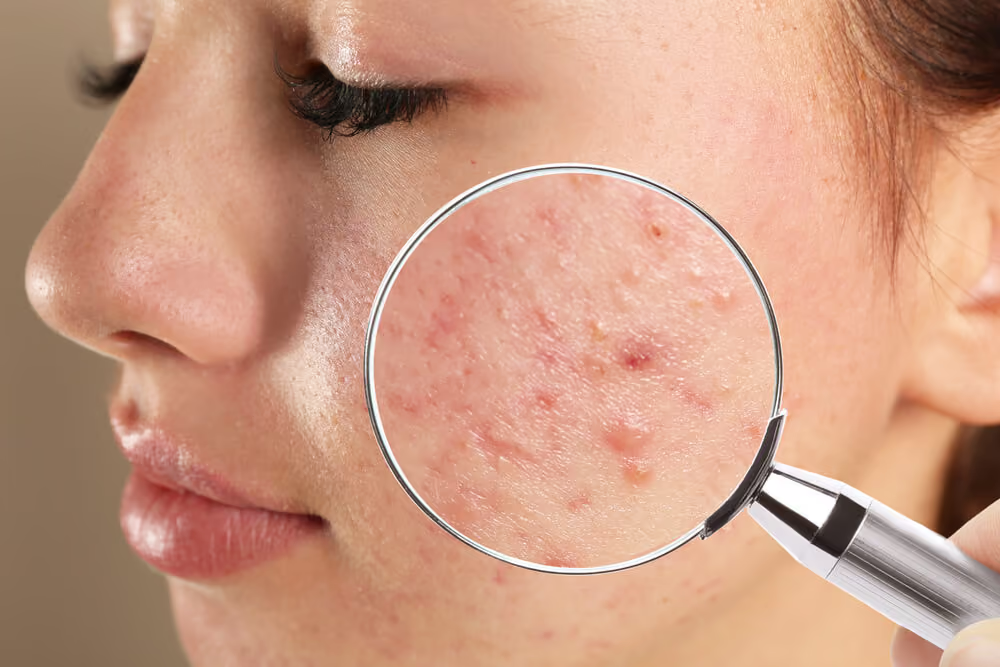
Teen acne is the second most common reason. Effective treatment usually starts with a gentle cleanser, a topical retinoid, and a benzoyl peroxide product. For moderate or severe acne, we add a prescription topical antibiotic or an oral medication. In rare cases where scarring is a risk, we discuss isotretinoin, which is a highly effective but closely monitored medication. We never rush teens into strong medication without a clear reason.
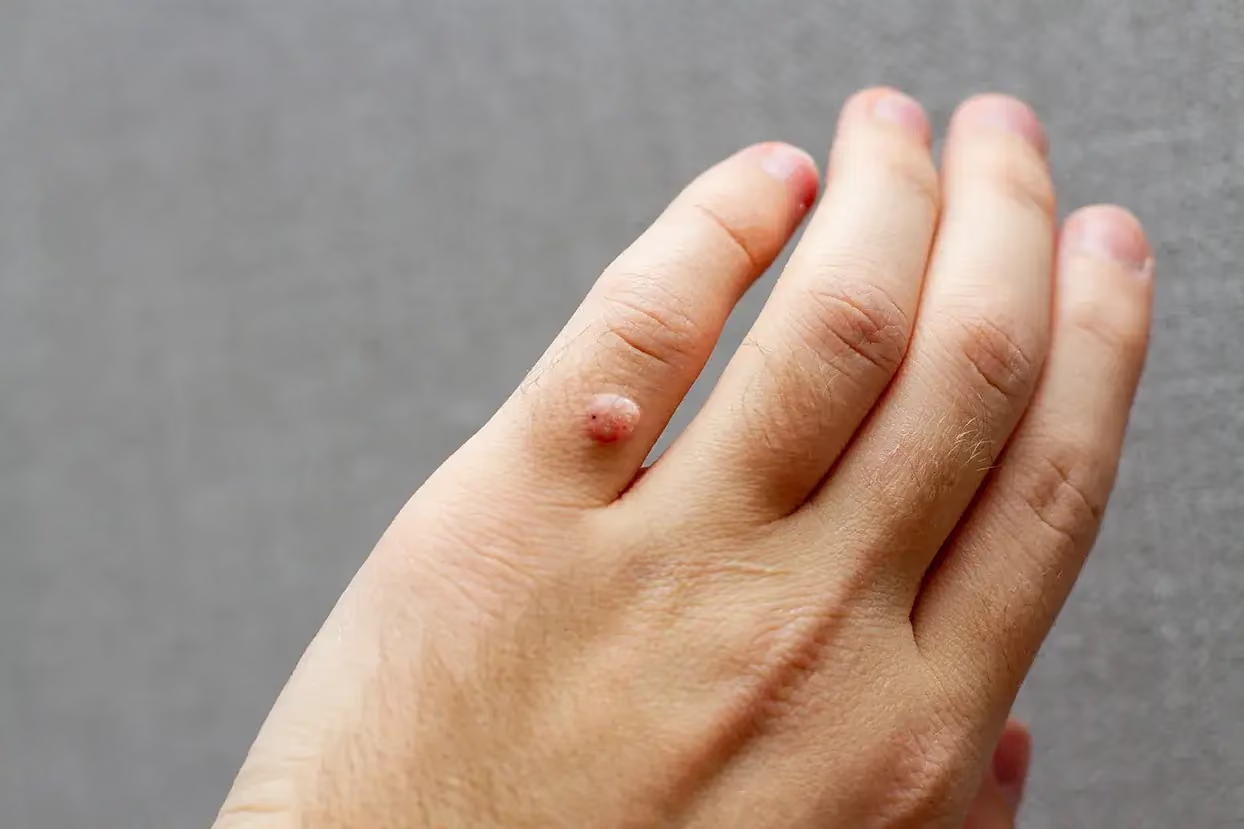
Warts and molluscum show up constantly in school-age kids. Both are caused by viruses and both tend to eventually resolve on their own, but waiting can mean months to years of spread. For warts we use cryotherapy, cantharidin, or topical acid treatments depending on what the child tolerates. For molluscum, we offer gentle extraction with numbing cream, a topical treatment, or a combination of both. Some families prefer the watch-and-wait approach, which is valid for small cases.
Diaper rashes, cradle cap, and baby eczema are the top reasons we see infants. Most clear with simple care. The rare cases that do not respond are worth a visit because they often signal an underlying issue like a yeast infection, a different eczema subtype, or a rare condition that benefits from early treatment.
Birthmarks and hemangiomas in infants get evaluated case by case. Most hemangiomas can be safely watched and will shrink on their own over the first few years. Some need early treatment with a beta-blocker medication or a laser to prevent functional issues near the eye or airway. We see these patients in the first months of life and we move fast when treatment is needed.
Finally, we see kids for a huge variety of less common skin issues including vitiligo, psoriasis, alopecia, impetigo, ringworm, and rare genetic conditions. Each has its own treatment path, and most benefit from a dermatologist's experience with how the condition evolves over time.
Bring a child in for any persistent skin concern that has not cleared up with basic over-the-counter care. Common reasons include atopic dermatitis that keeps flaring, acne that the teen wants addressed, warts that will not respond to home treatment, a rash that came back after steroid cream, a birthmark you want evaluated, a mole that seems to be changing, or molluscum that is spreading.
We also see babies and toddlers for baby acne, cradle cap, eczema, rashes, hemangiomas, and birthmarks. Infant visits are short and gentle, and most do not require undressing the child more than necessary.
Pediatric dermatology is a skill. Our providers are trained to read the room, talk at the right level, and earn the child's trust in the first few minutes. That difference shows up in how smoothly procedures go and whether the child is willing to come back.
Kids' treatment plans lean on the minimum medication and procedure needed to solve the problem. We prefer barrier creams and topicals before we consider systemic medication. We prefer cryotherapy on one wart at a time rather than six at once.
Most offices open at 8 AM and stay open until 5 PM, which usually fits around school drop-off or after-school schedules. We try to hold early morning and after-school slots for families when we can.
Pediatric visits start with the child staying close to the parent. Our providers talk to the child first, at their level, before examining anything. For younger kids, the parent often stays in the exam room the whole visit. For teens, we offer the option of talking privately with the provider for part of the visit, especially for acne or body image concerns, but always with the parent's knowledge and permission.
The exam is as gentle as possible. For itchy or painful conditions, we use slow movements and explain what we are doing before doing it. For procedures like a small cryotherapy freeze on a wart, we offer numbing cream ahead of time and pick the spot the child is most willing to treat first.
After the visit, your child's plan is written in plain language and emailed to your patient portal. For chronic conditions like eczema, we plan follow-ups at intervals that match how fast skin typically improves, usually four to six weeks apart for the first few visits.
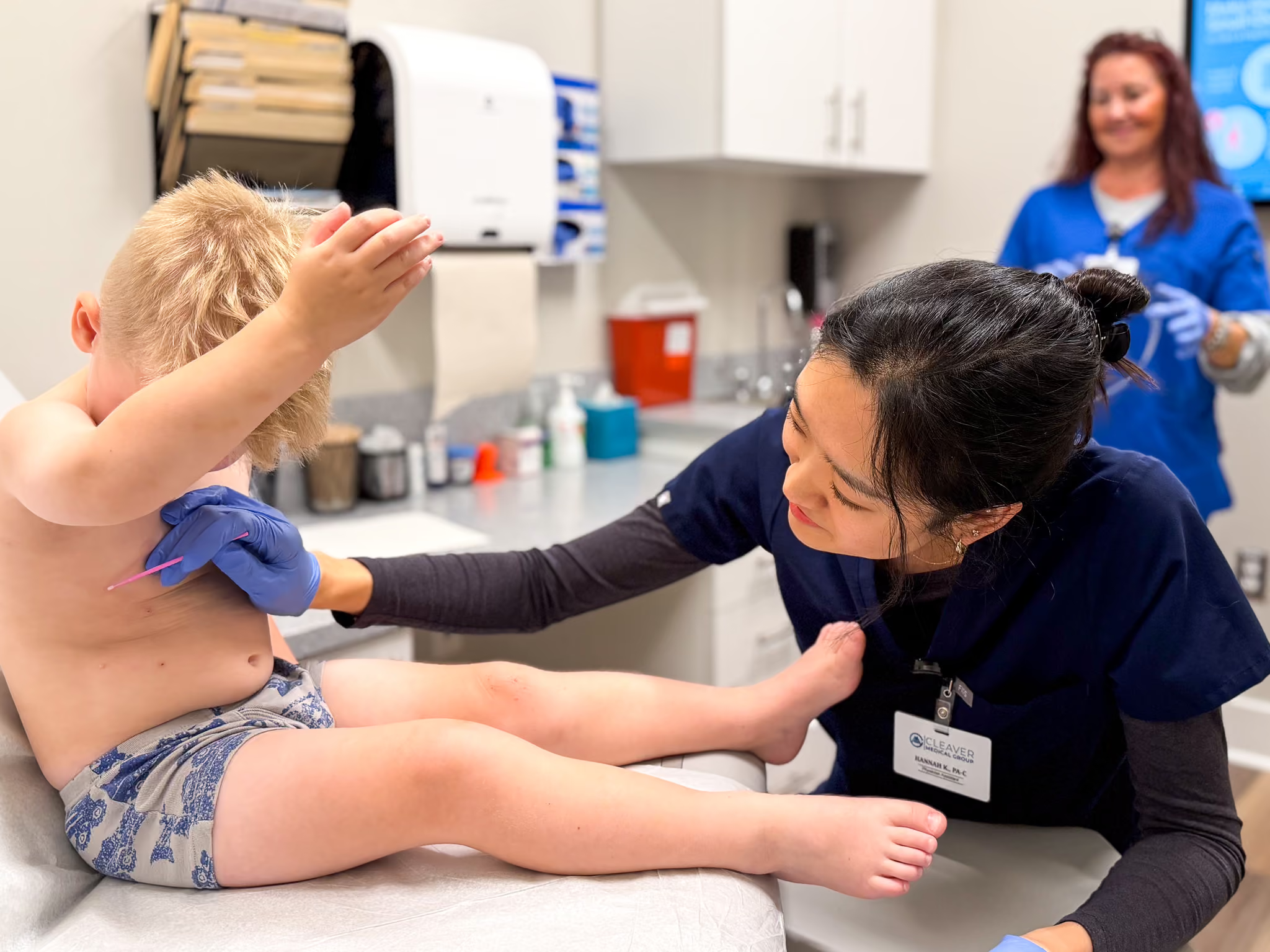
No age is too young. We see babies in their first weeks of life for things like hemangiomas, baby acne, and severe cradle cap. For most skin issues in infants, we suggest seeing us rather than waiting things out.
Usually not. We examine only the areas that are relevant to the concern. Full body skin exams are rarely needed in kids unless there is a specific risk factor or suspicious spot.
Yes when it is the right call. For moderate acne we may use an oral antibiotic, hormonal therapy, or isotretinoin when scarring risk is high. We discuss the plan with both the teen and the parent before starting.
Yes. We accept most major commercial plans and Medicaid at several offices. Our team verifies your specific plan before your visit.
Most families prefer continuity and we work hard to keep it. When you book, you can request a specific provider, and we flag continuity in the child's chart so the scheduling team honors it when possible.
Please give us a call and we will be happy to answer all your questions or concerns you may have.