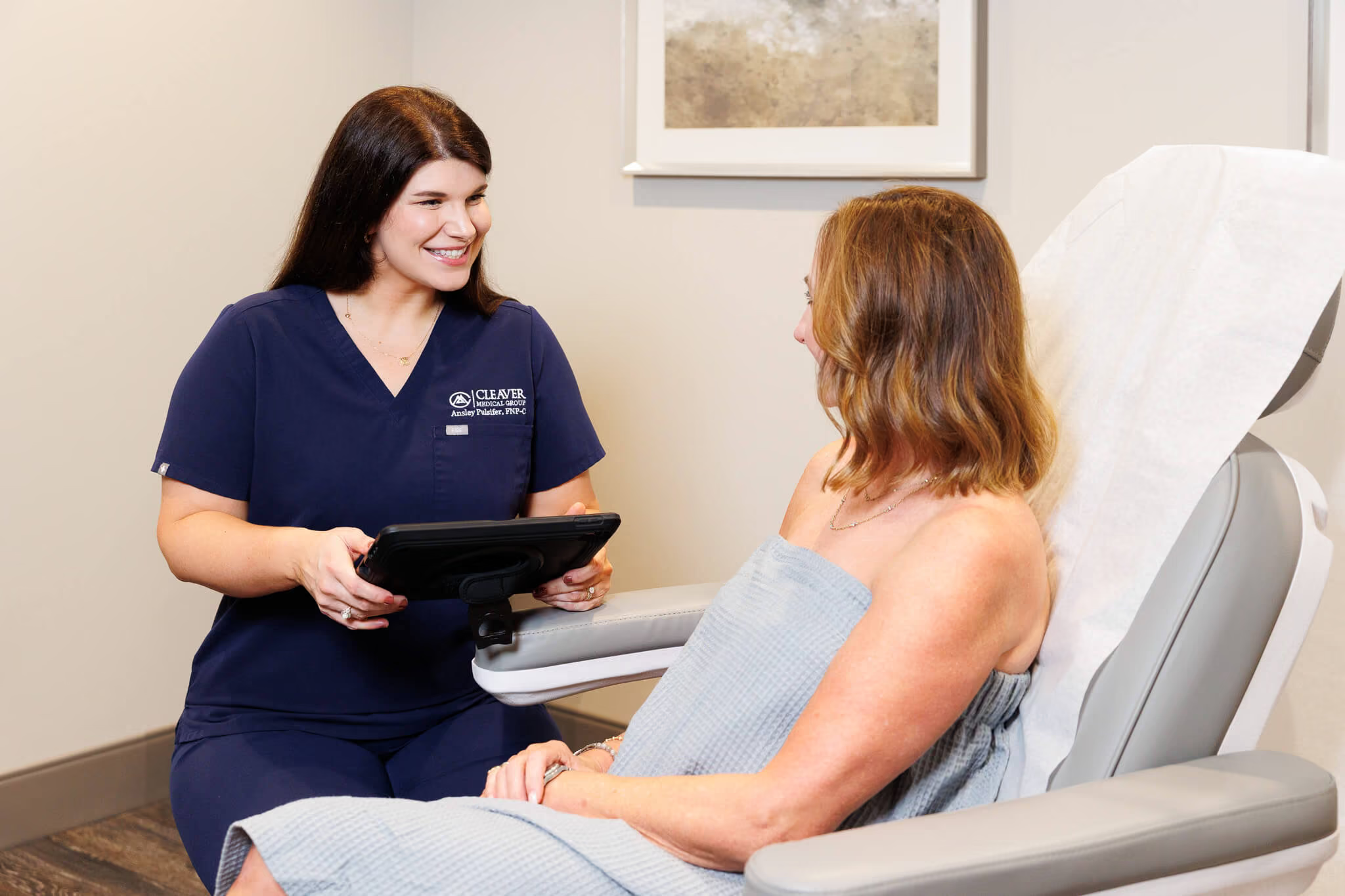
A full review of your skin, your history, and your goals, in about forty minutes
A first dermatology visit is equal parts listening and looking. Before anyone picks up a dermatoscope, your provider wants to understand what brought you in, how long it's been going on, what you've tried at home, and whether anything else has been bothering you.
Once that conversation is done, the exam begins. For a focused concern like a single mole or rash, it might be a quick five minute check of that area. For a general skin health visit, expect a full-body review that moves from scalp to toes and takes around fifteen minutes on its own.
Your first visit with a new dermatologist is one of the more thorough appointments in medicine, and that is a good thing. The visit is designed to give your provider enough context to catch problems early and to build a plan that stands up over years, not one that patches a single issue and sends you out the door.
The conversation at the start of the visit matters more than most patients expect. Your provider is trying to learn not just what brought you in today, but how your skin typically behaves. When do you flare. What have you tried. What has changed recently with your diet, stress, medications, sun exposure, or skincare routine. You do not have to have all the answers, but any context you can share speeds up the diagnosis.
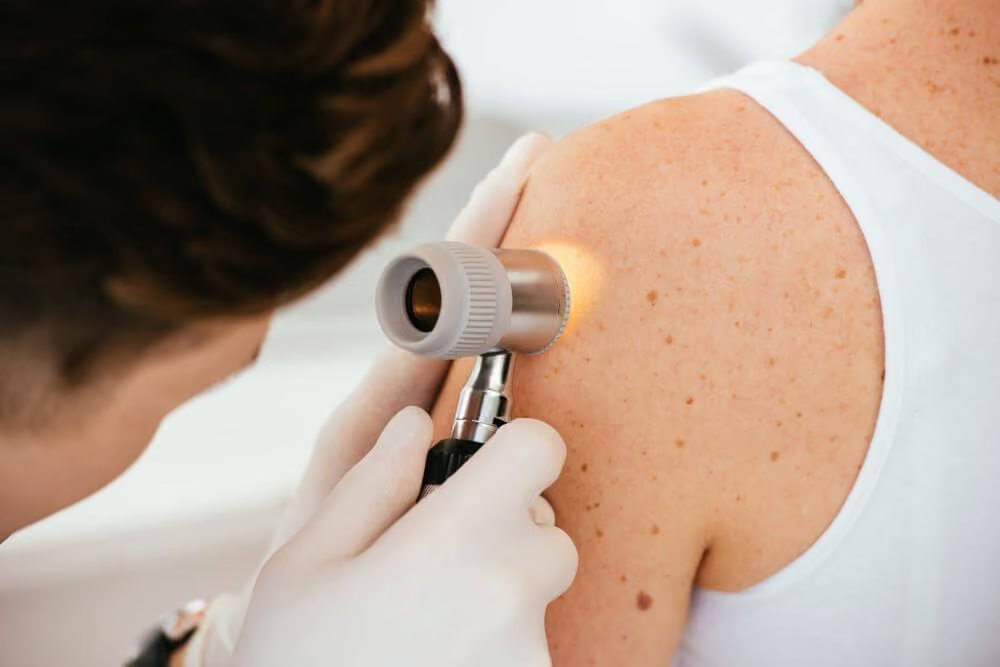
The exam itself depends on what you came in for. If you asked for a full body skin exam, your provider uses a dermatoscope, a small handheld device that illuminates and magnifies the skin to show patterns the naked eye misses. Moles that look ordinary from two feet away can show asymmetry or irregular pigment under a dermatoscope. That is the single biggest reason dermatologists catch melanomas that other physicians miss.
If a biopsy is needed, there are three common types. A shave biopsy takes off the top of a spot with a small blade, usually leaves a scab rather than a scar, and is the most common choice for moles. A punch biopsy uses a small circular tool to take a cylinder of skin all the way through, which is best for deeper lesions or rashes. An excisional biopsy removes the full spot plus a margin around it, usually reserved for spots that are highly suspicious for melanoma. Your provider explains which one fits your spot, and why, in plain language, before anything happens.
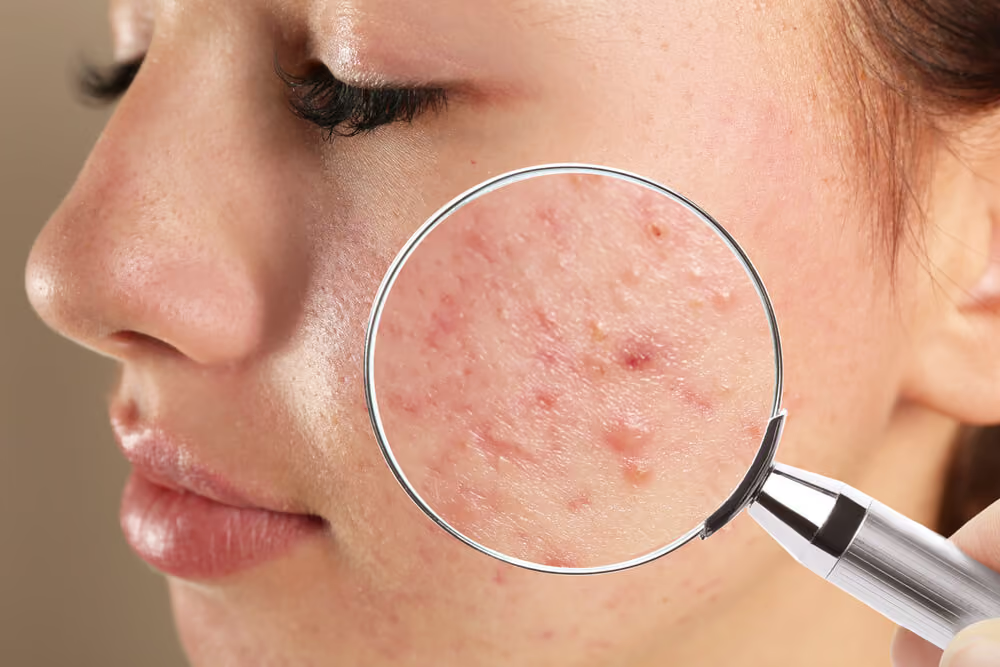
Follow-up depends on what was done. For a clean full body exam, you typically come back in one year. For a biopsy, you hear from us within three to five business days with results, and the next step depends on what the pathology shows. For a chronic condition like acne or eczema, the first follow-up is usually four to six weeks out so we can see whether the initial plan is working and adjust from there.
One thing worth mentioning. Nothing about a first visit is meant to feel transactional. If you have a question that did not come up in the room, you can message your provider through the patient portal afterward, and you will get a response, not a form letter. Good dermatology is a relationship more than it is a transaction.
A new patient consultation is the right booking if you've never seen us before and you have a specific concern, a general skin health question, or a chronic condition like acne or eczema that you want reviewed. It's also appropriate if you're changing from another practice and want to move your care over.
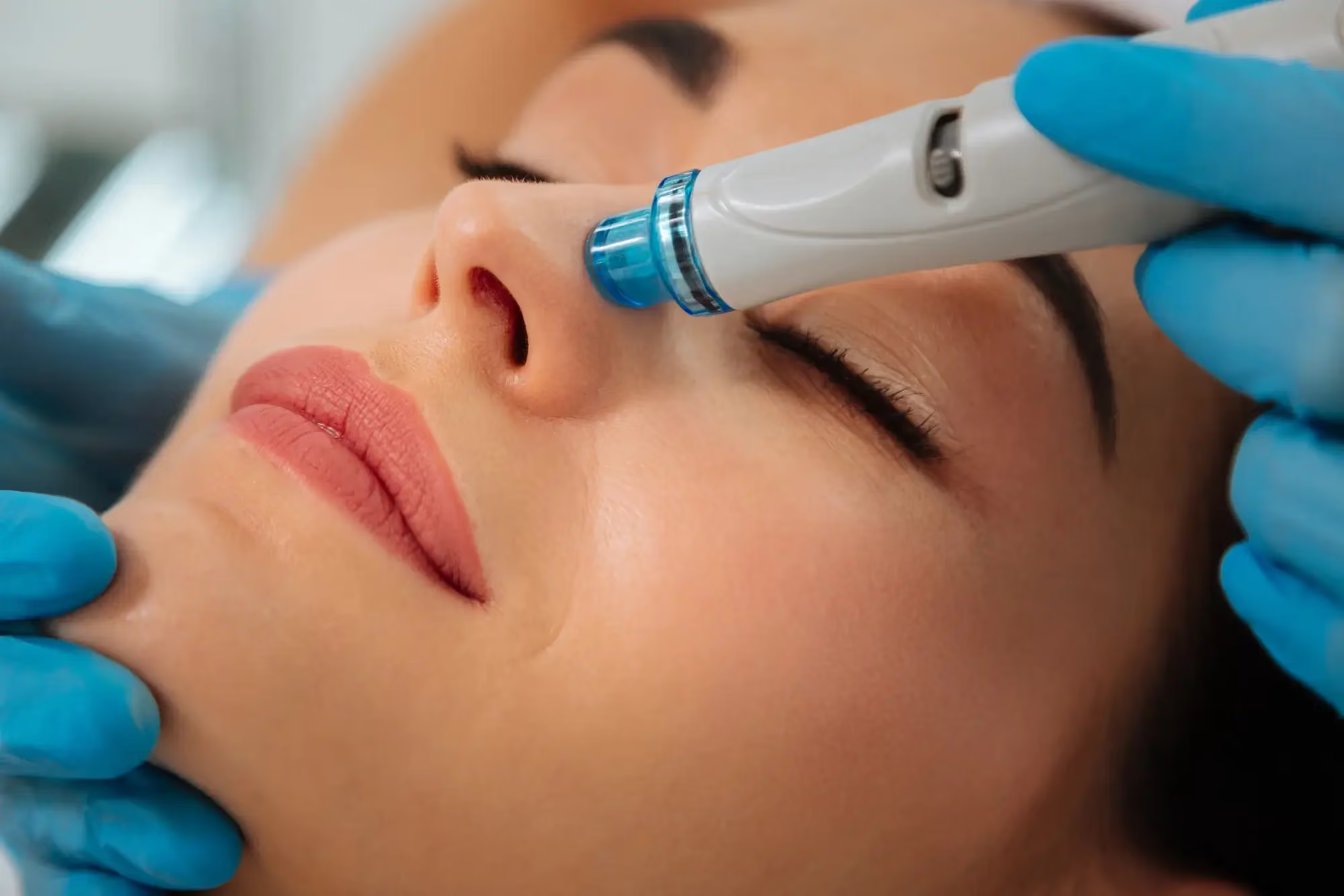
If you already know you want an aesthetic treatment like Botox or a HydraFacial, book the aesthetic consultation instead. If you need Mohs surgery after a recent biopsy, your referring provider will send you directly to that slot.
Your provider is not rushing you out the door. First visits are scheduled with buffer time so you can explain what's going on without a clock ticking.
If a spot needs a biopsy, that's done in the same visit whenever possible. If a wart needs cryotherapy, same thing. You don't have to book a second appointment for something we can handle right then.
Every patient leaves with a written summary of what we found, what we prescribed, and what to watch for. It's emailed to your patient portal the same day.
Plan for 30 to 45 minutes. Arrive 10 to 15 minutes early if it's your first time in the building so our front desk can verify insurance and make sure your intake forms are complete.
Once you're roomed, your provider reviews your medical history, current medications, family history of skin cancer, and any notes you brought in. Then they examine the areas you came in for. If you wanted a full-body exam, you'll change into a gown and the provider walks through every area of skin including scalp, between toes, palms, and soles.
Anything that needs a biopsy, cryotherapy, or minor procedure can usually be done the same day. You leave with a written plan, any prescriptions sent electronically to your pharmacy, and a follow-up date if one is needed.
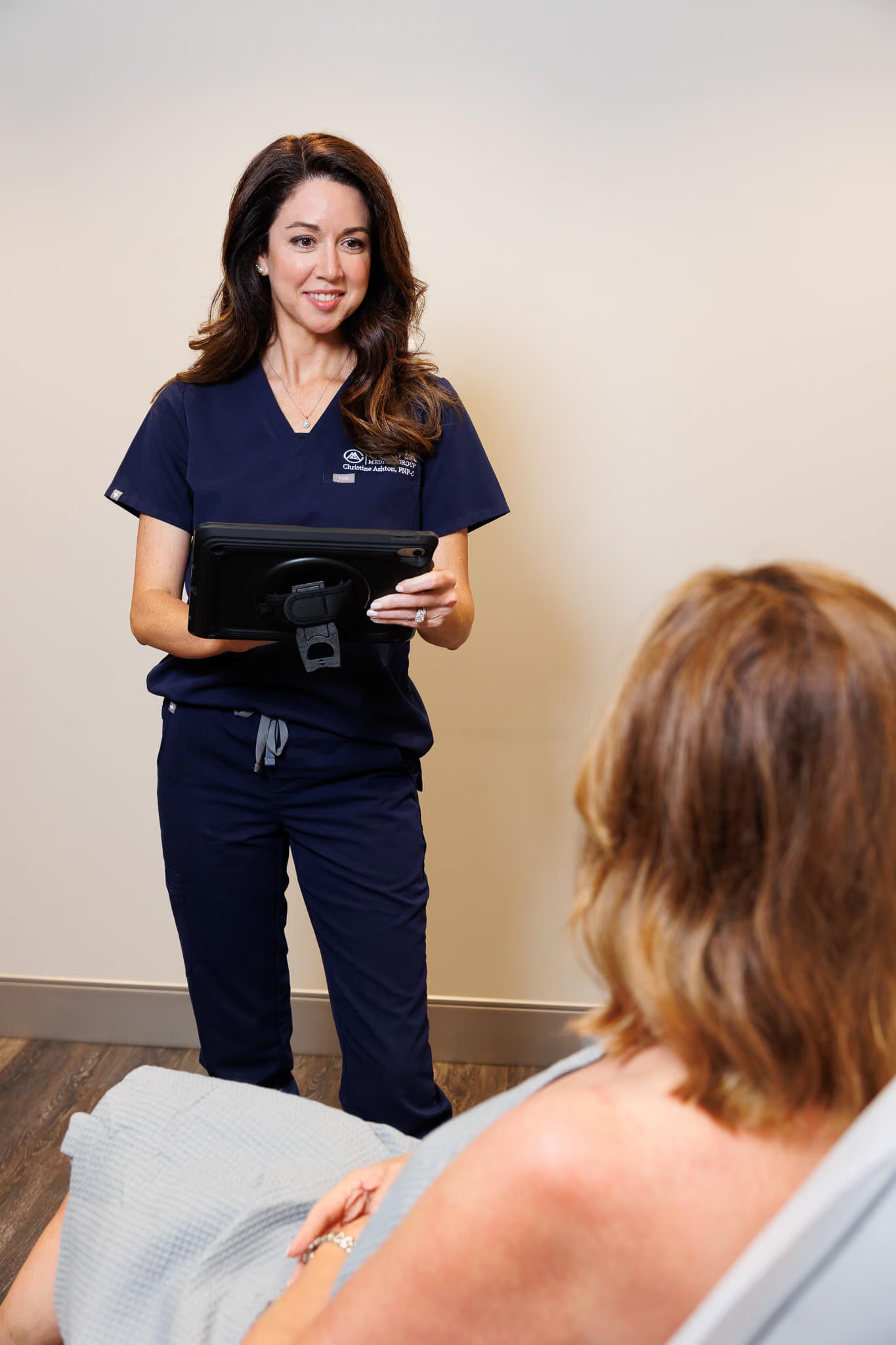
Most new patient visits run 30 to 45 minutes. A focused concern is at the shorter end, a full-body exam with a few biopsies is at the longer end.
Bring your insurance card, a photo ID, a list of any medications you take, and notes on any concerns you want reviewed. If you've had skin cancer before, photos of previous spots or a list of past biopsies helps too.
No special prep is needed. If you wear makeup, removing it before the visit helps your provider see the skin on your face clearly. Otherwise just arrive as you are.
For most visual diagnoses, yes. If a biopsy is needed, results usually come back in three to five business days and our team will contact you directly with next steps.
Please give us a call and we will be happy to answer all your questions or concerns you may have.