Fellowship-trained Mohs surgeon on staff, same-day treatment, most patients home by afternoon
Mohs micrographic surgery is a specialized technique for removing certain skin cancers, primarily basal cell carcinoma and squamous cell carcinoma. The surgeon removes the cancer one thin layer at a time, examines each layer under a microscope immediately, and continues removing tissue only if cancer cells remain. This process yields cure rates above 99 percent for primary basal cell carcinoma and around 97 percent for primary squamous cell carcinoma, which are the highest of any treatment available.
Equally important, Mohs spares as much healthy tissue as possible, which matters on the face and other cosmetically or functionally sensitive areas.
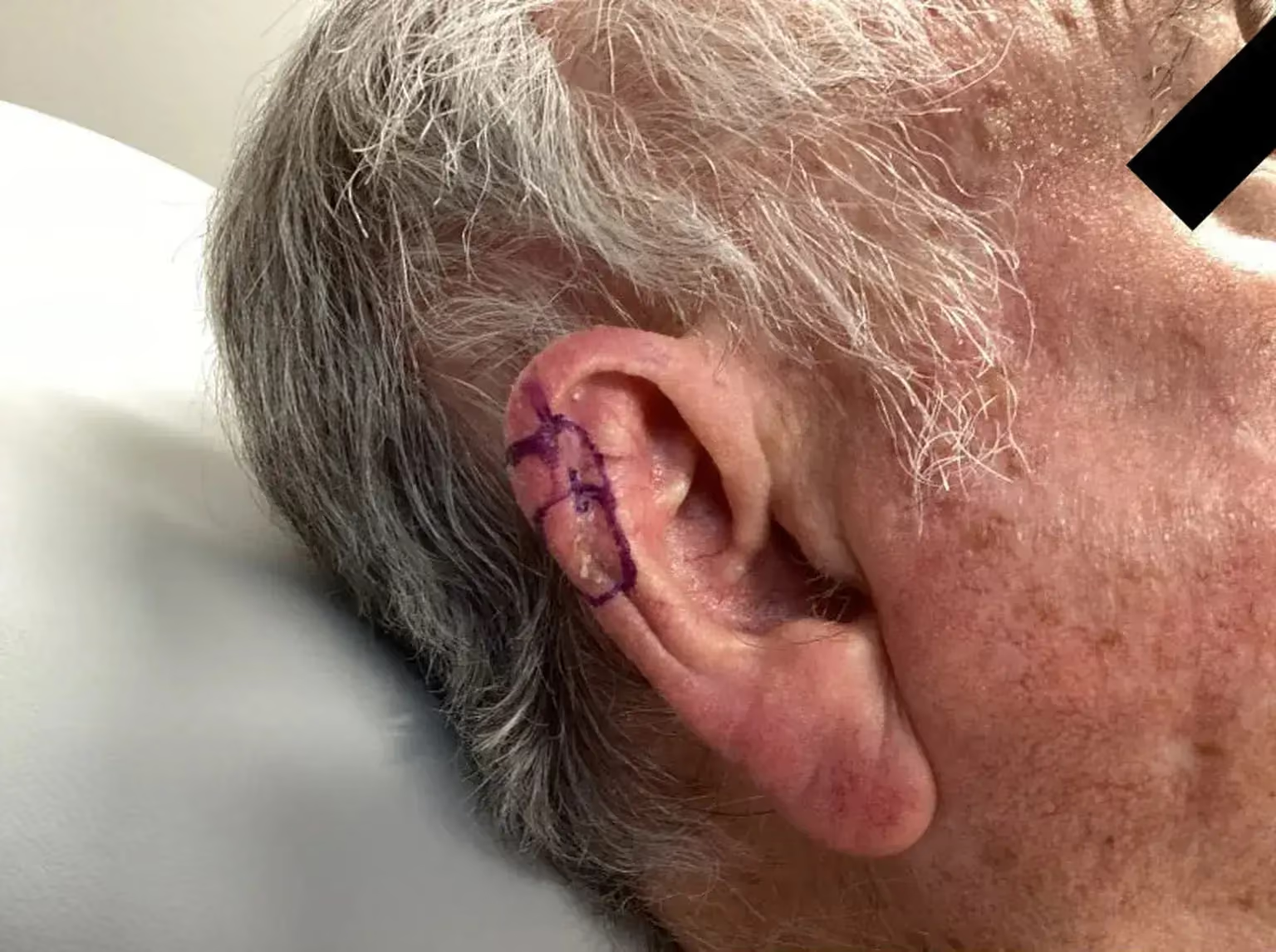
Before the procedure, you will meet with Dr. Cleaver or one of our team for a pre-operative visit. We discuss the biopsy findings, the proposed approach, expected timing, potential closure techniques, risks, and recovery. We also review your medications, especially blood thinners, since some may need to be paused briefly depending on the site.
The day of surgery, arrive on time and bring a book, a charged phone or tablet, and something to eat. Most patients are with us for three to four hours total, though more complex cases can take longer. Wear comfortable clothing and nothing that needs to come off over your head if the surgery is on the face or scalp.
The procedure itself starts with local anesthesia to numb the area completely. You should feel pressure during the procedure but not sharp pain. If at any point you do, tell us so we can add more anesthesia. Dr. Cleaver removes the visible cancer plus a small margin, hands the tissue to the lab, and returns you to a comfortable waiting area. The lab takes 30 to 45 minutes to process and read the slides. If the margins are clear, you move to closure. If not, the process repeats.
Closures vary. Simple closures involve straight-line stitches. Flaps use adjacent skin to close defects that cannot be closed directly. Grafts use skin from another location to close defects where there is not enough local tissue. Dr. Cleaver selects the closure that best preserves function and appearance for your specific case.
After the procedure, expect mild to moderate soreness for two to three days that responds well to Tylenol. We give you written wound care instructions before you leave. Most patients resume normal activities within 24 hours, though we advise avoiding strenuous exercise and heavy lifting for a week to reduce bleeding risk. Sutures are typically removed at seven to fourteen days depending on the area.
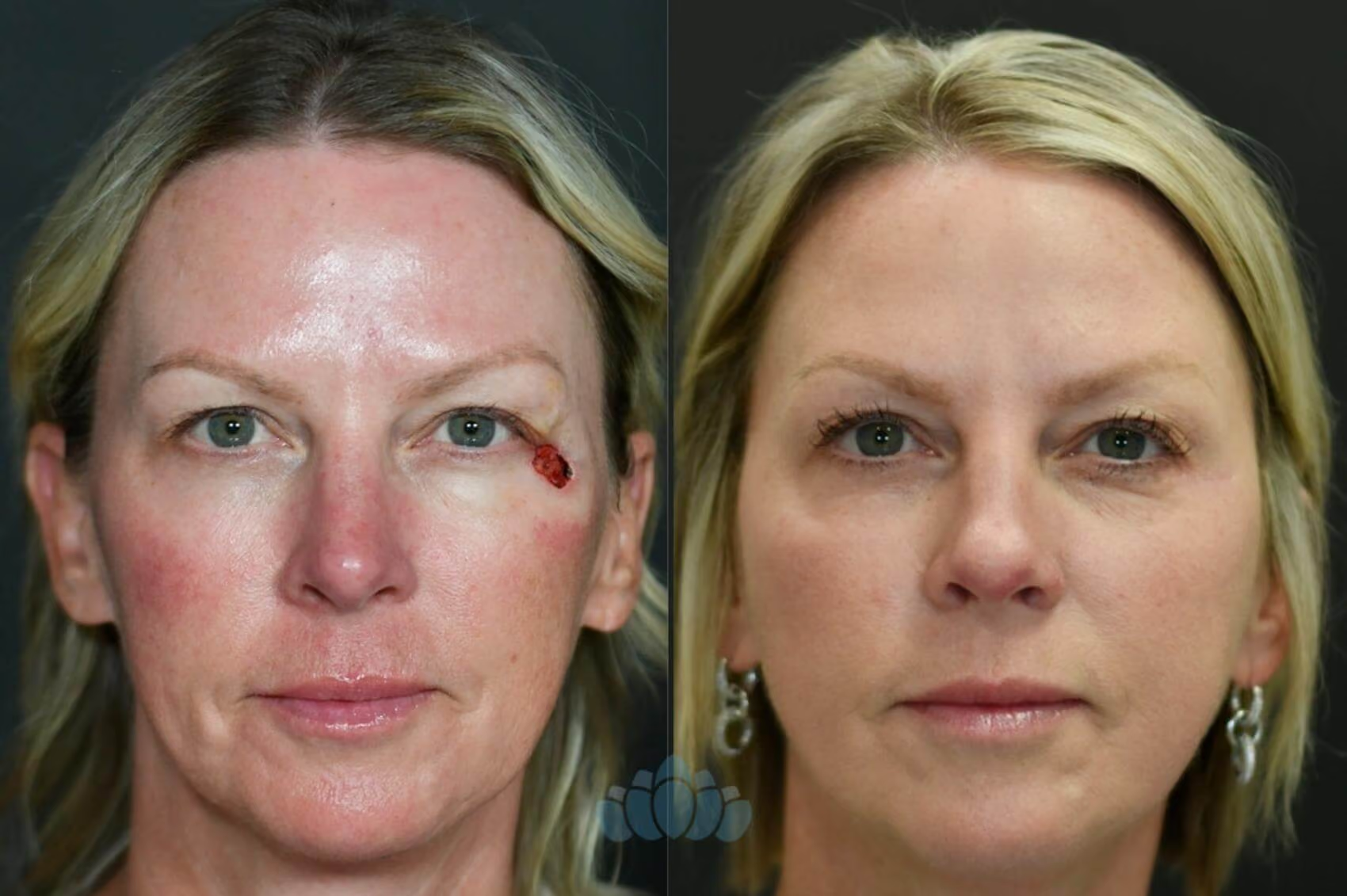
Scar outcomes depend on location, closure type, and how well you follow aftercare. Most scars initially look pink or raised and then gradually fade and flatten over six to twelve months. Strict sun protection on the area during that time gives the best cosmetic result. We do not upsell scar treatments, but for patients who want further improvement after full healing, in-office options like silicone gel, laser, or microneedling can help refine the final appearance.
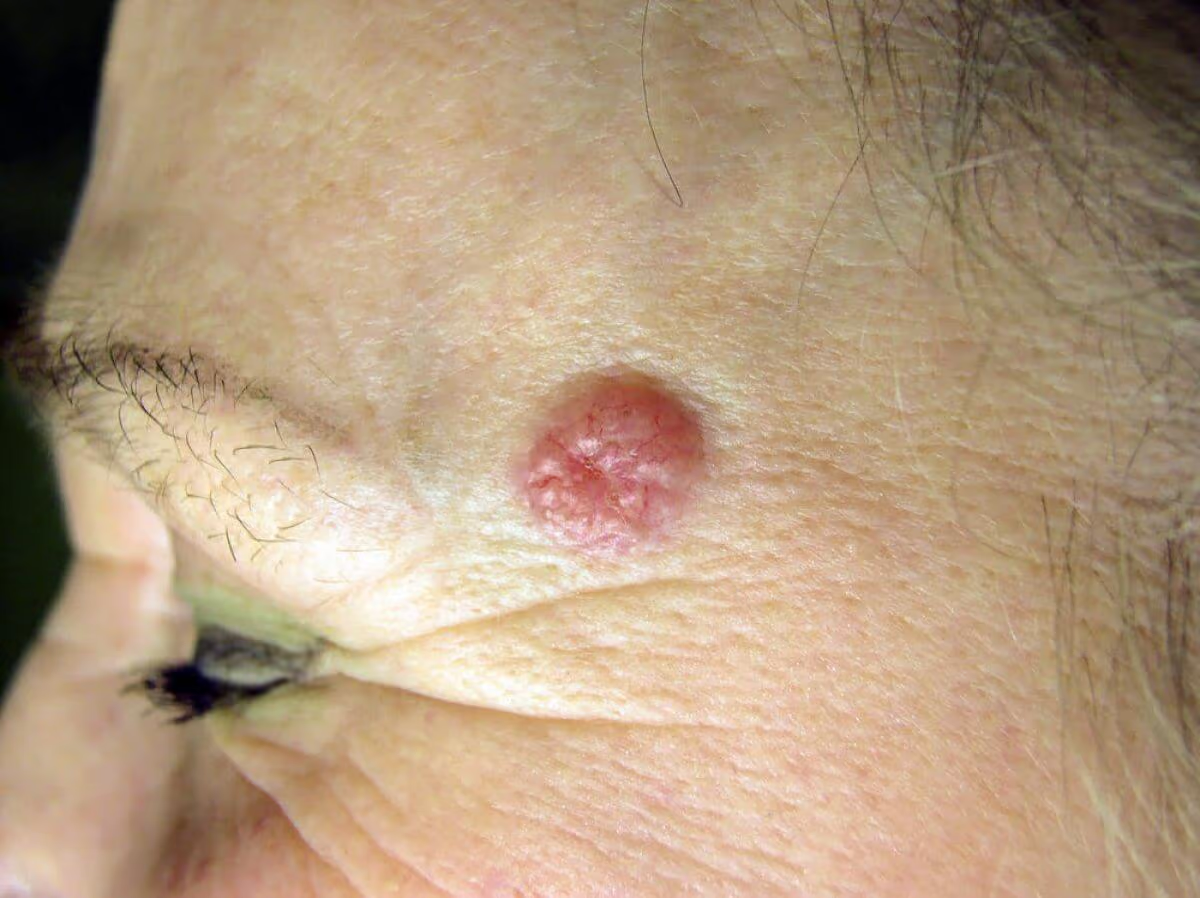
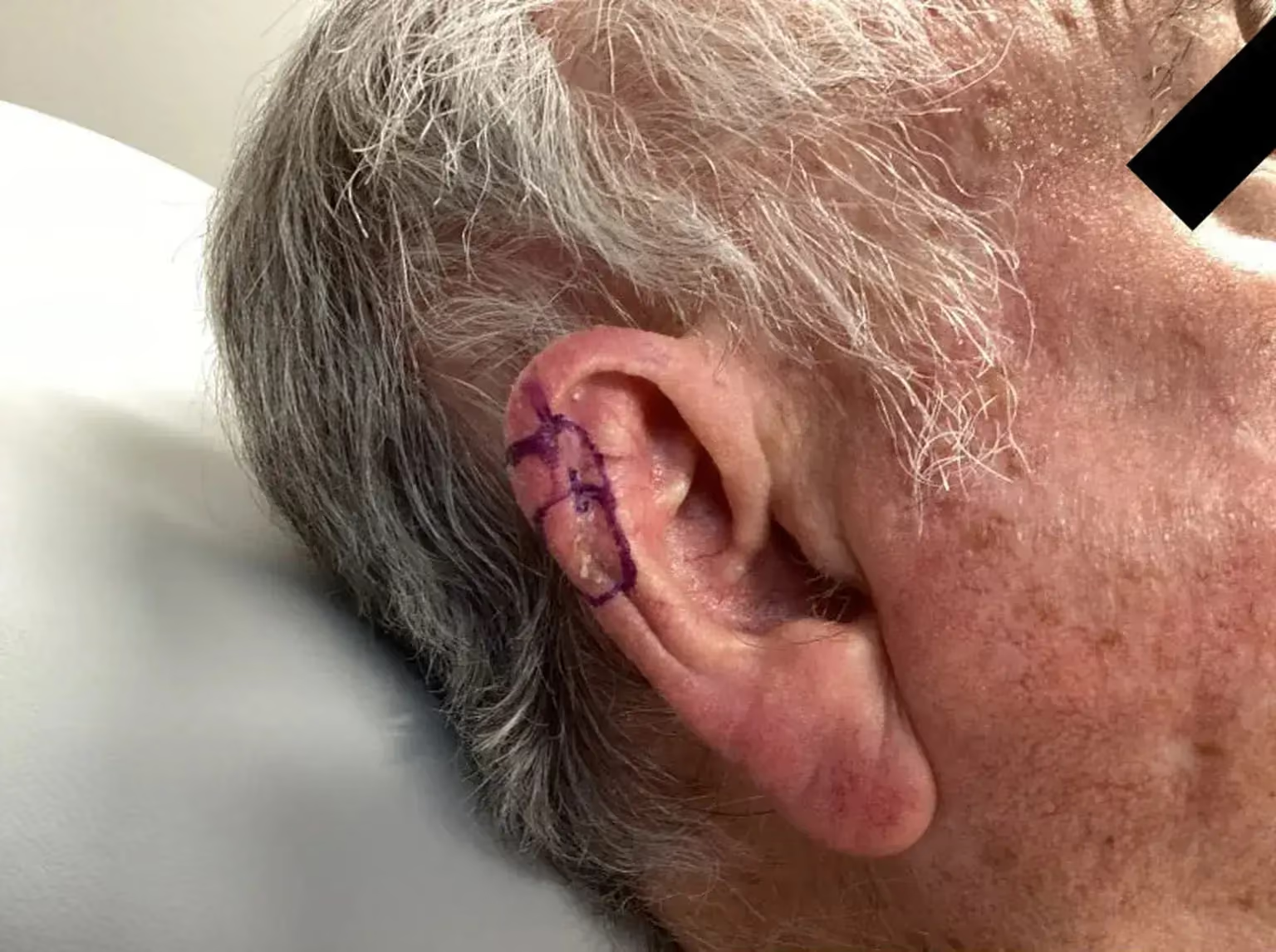
Mohs is typically recommended for skin cancers on cosmetically sensitive areas like the face, ears, scalp, hands, feet, and genitals, and for skin cancers that have recurred after previous treatment. It is also recommended for larger or aggressive cancers, cancers in patients with weakened immune systems, and cancers with poorly defined borders on exam.
Mohs is not typically needed for small, simple basal cell cancers on the trunk or extremities, which can usually be treated with a standard excision. Your dermatologist will recommend the right treatment based on the type, size, and location of your cancer.
Dr. Nathan Cleaver completed his Mohs fellowship at the Ackerman Academy of Dermatopathology in New York, one of the most respected training programs for Mohs and dermatopathology in the country. That training shows up in both cure rates and closure quality.
Every tissue layer is processed in our on-site lab and reviewed by Dr. Cleaver himself, not sent out to a third party. This keeps the whole procedure moving efficiently and lets us do the full surgery in a single day.
For most defects, Dr. Cleaver performs the closure after margins are clear. For complex closures near the eye or nose that benefit from a specialist, we have established referral relationships with facial plastic surgeons for same-day handoff.
Plan for a longer morning. Most Mohs procedures take two to four hours from arrival to closure, depending on how many layers are needed. You are awake for the procedure with local anesthesia, and you are not sedated, so you can eat beforehand, drive yourself if needed, and return to normal activities the same day.
The surgeon removes a thin layer of tissue around the visible cancer, maps it precisely, and sends it to the on-site lab. You wait in a comfortable area for 30 to 45 minutes while the tissue is processed and reviewed under the microscope. If any cancer is still present, the surgeon returns and removes only the area where cancer remains, then repeats the process until the margins are clear.
Once the margins are clear, the surgeon closes the wound the same day. For larger or cosmetically complex areas, the closure may involve a flap or graft. The results we aim for are both oncologic cure and a cosmetic outcome that blends with the surrounding skin.
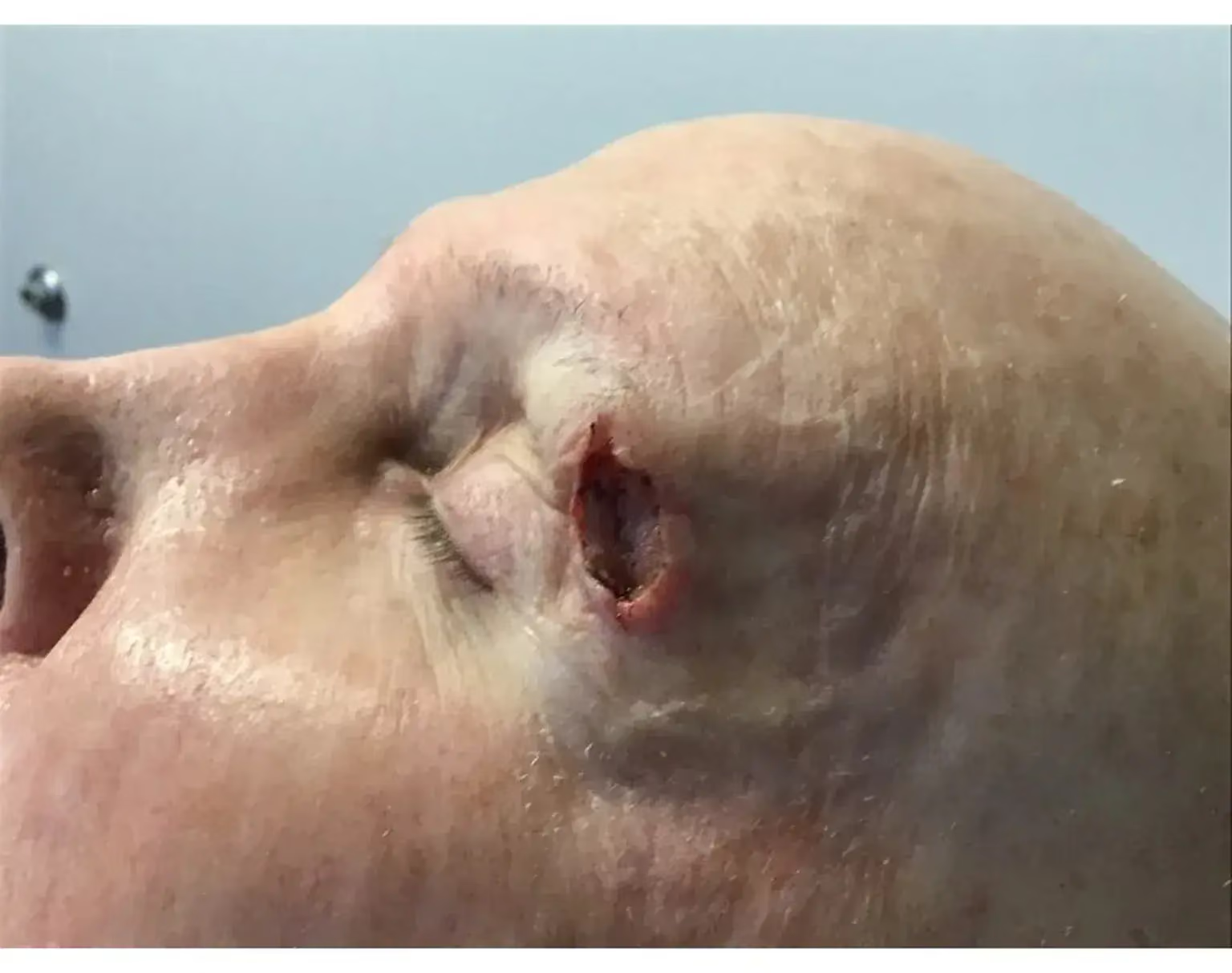
Mohs surgery is covered by Medicare and most major commercial insurance plans when performed for a biopsy-confirmed skin cancer in an area where Mohs is appropriate. Our team verifies coverage before scheduling.
It depends on the medication and the surgical site. We do not routinely stop blood thinners because the risk of a thrombotic event is usually greater than the risk of bleeding complications. We coordinate with your prescribing doctor when adjustment is needed.
Most Mohs procedures take two to four hours including processing time between stages. Larger or more complex cancers can take longer. Plan the whole morning to be safe.
Every surgical procedure creates a scar, but Mohs is designed to minimize tissue removal and therefore minimize scarring. The final appearance depends on the location and size of the cancer, the closure technique used, and how well you protect the area from sun during healing. Most scars fade significantly over six to twelve months.
We typically schedule Mohs within two to three weeks of a positive biopsy. Complex cases or patients traveling from out of town may be scheduled faster.
Please give us a call and we will be happy to answer all your questions or concerns you may have.