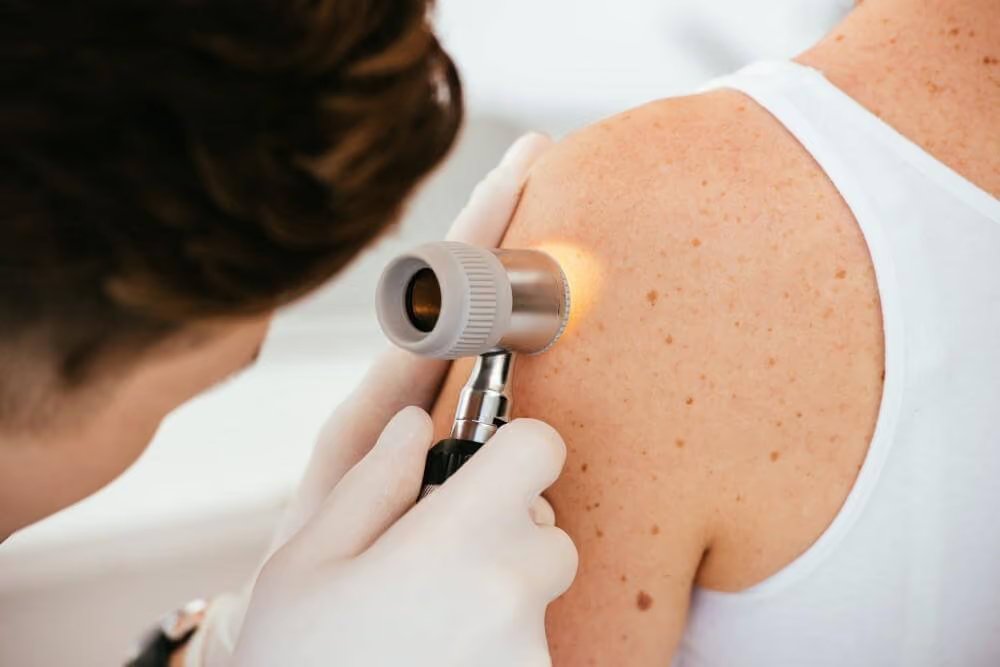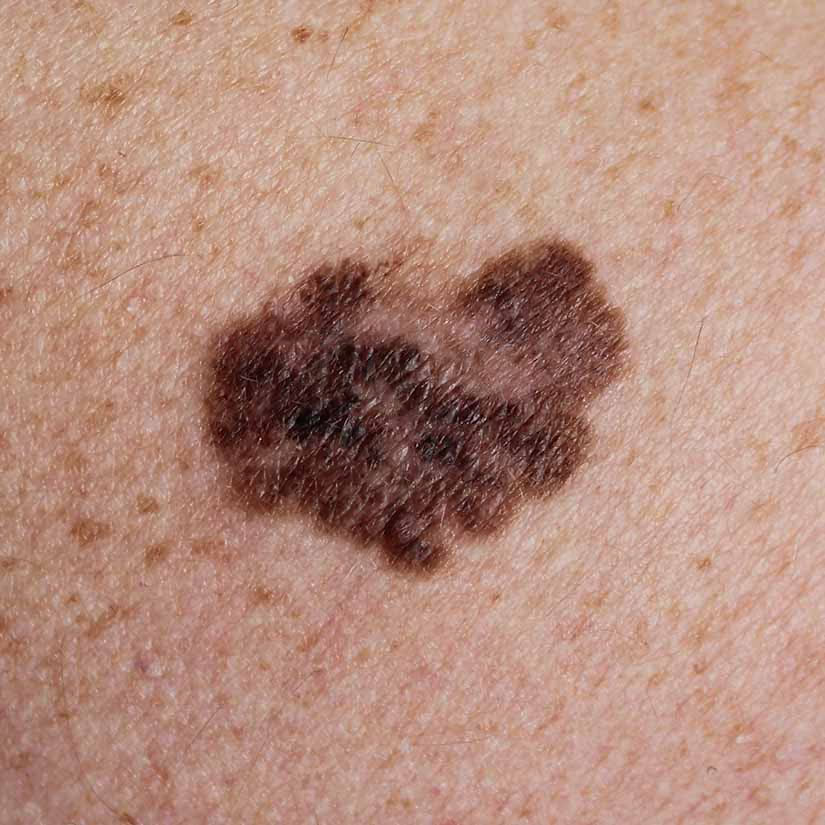
In-house pathology keeps your biopsy turnaround fast and your follow-up personal
Most dermatology practices send biopsies out to an external lab. That usually means waiting five to ten business days for a result that comes back in a one-paragraph report, then playing phone tag to review it with your doctor. It works, but it is slower and less personal than it needs to be.
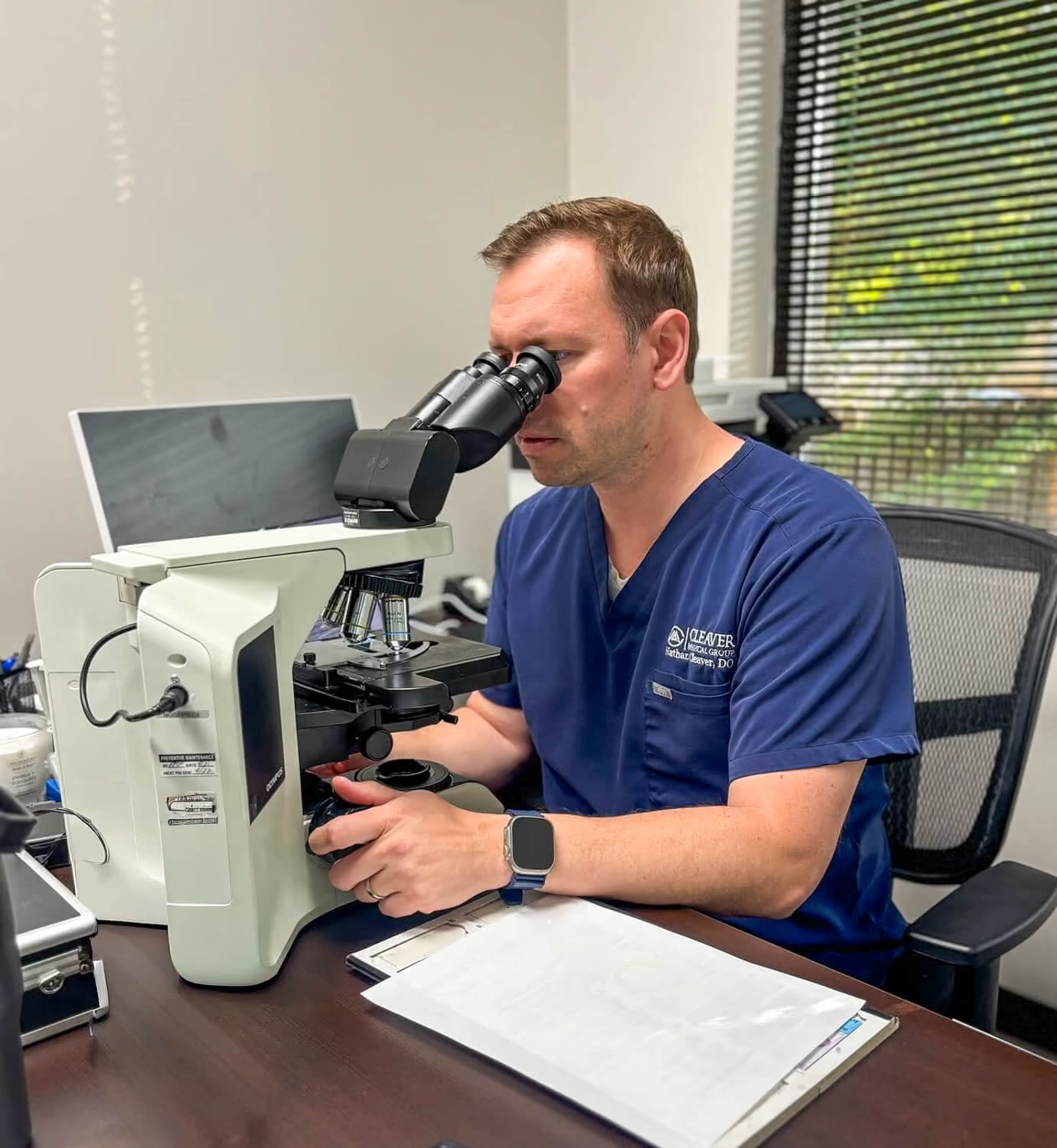
We run pathology in-house. Your biopsy is processed, examined under a microscope, and read by our own team, usually with results back in three to five business days. Your provider, the one who did the biopsy, reviews the results and calls you with a clear plan.
Understanding the biopsy process helps many patients feel calmer while waiting for results. Here is what actually happens after a small piece of your skin leaves the exam room.
First, the sample is placed in a small container of formalin, a preservative that stabilizes the tissue. At most practices, the sample then travels by courier to an external laboratory, often hundreds of miles away. At our practice, it travels to our in-house pathology team a few doors down from the exam room.
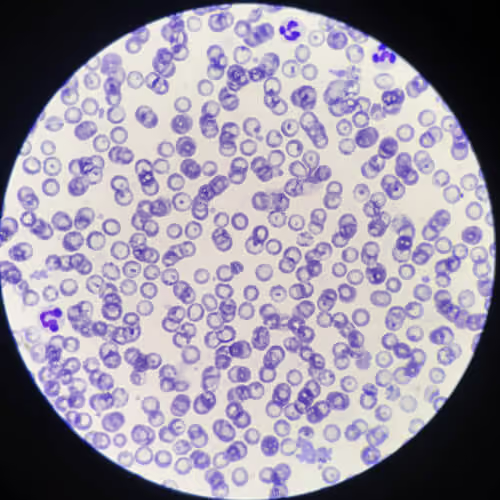
The tissue is then processed through a series of chemical baths that prepare it for slicing. After processing, the sample is embedded in a small block of paraffin wax, which allows it to be sliced into extremely thin sections, typically four to five microns thick, which is thinner than a human hair. These sections are mounted on glass slides and stained with dyes that make different cellular structures visible under a microscope.
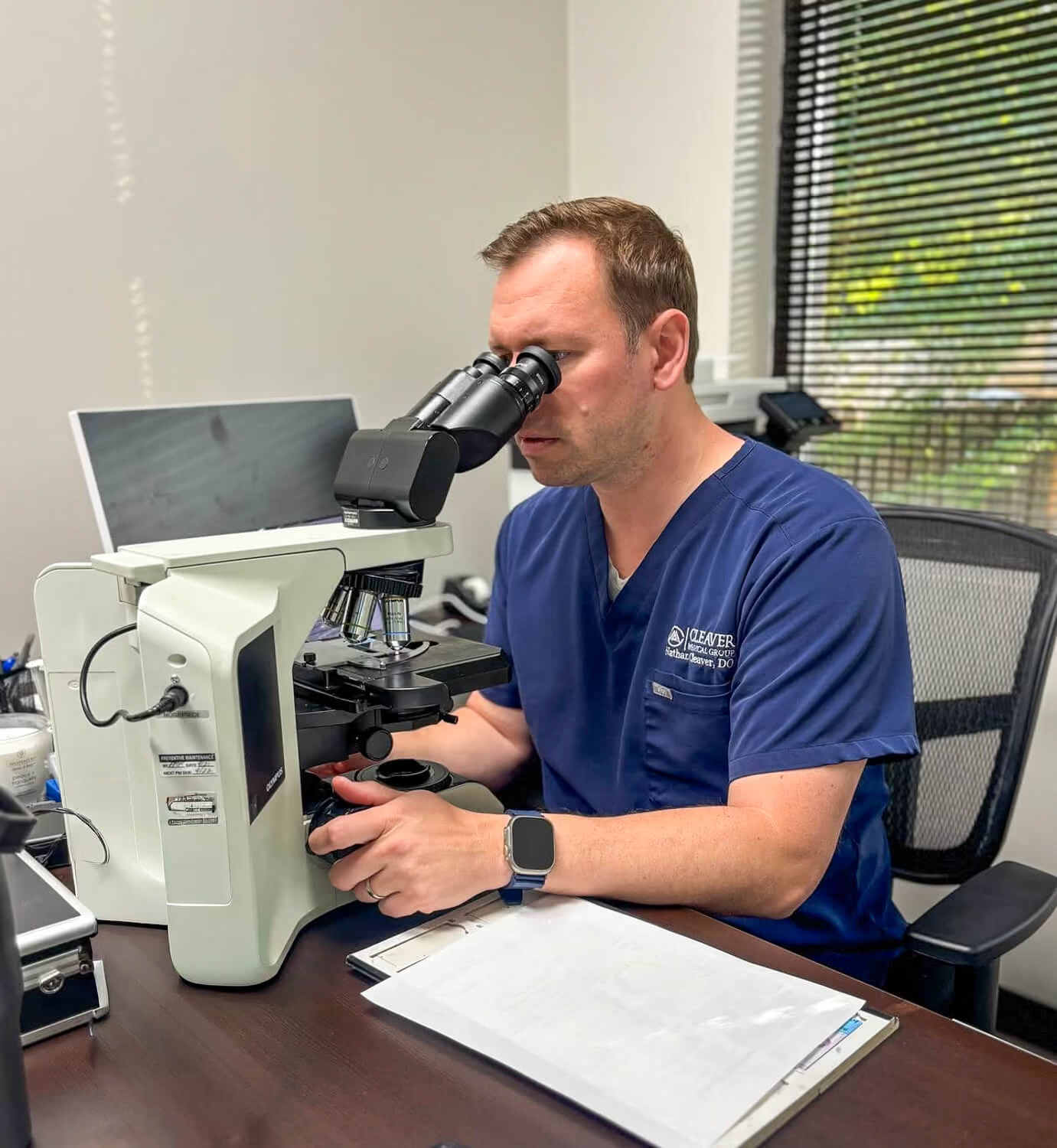
A dermatopathologist, which is a pathologist with specialized training in skin diseases, then examines the slides under a microscope. They look at the overall architecture of the tissue, the shapes and patterns of individual cells, and any features that would indicate a specific diagnosis. For clear cases, this can take just a few minutes. For complex cases, the pathologist may order additional stains or consult with colleagues before finalizing the diagnosis.
Once a diagnosis is made, a report is written that describes the findings and assigns a specific diagnosis. For skin cancer, the report includes details like the type and subtype of cancer, how deeply it extends into the skin, whether the margins of the biopsy are clear or involved, and any other features relevant to treatment planning.
At a traditional practice, this report is then transmitted to your dermatologist, logged, and eventually routed to a team member who calls you with the result. This chain can take days to weeks depending on how efficient the practice is at managing incoming results.
With in-house pathology, the report goes straight to your provider. Your provider reviews the result, often along with photos of the original biopsy site, and makes a treatment plan based on what the report shows. Then you get a personal call from your provider with a clear explanation and a specific next step. The whole process is faster, more personal, and less likely to miss important details.
Every biopsy patient benefits. It matters most when the biopsy shows something that needs treatment, because tighter turnaround shortens the time between diagnosis and the next step. A skin cancer biopsy read in three to five days and scheduled for Mohs the following week is a different experience than the same situation stretched out over three weeks.
It also matters for patients who want a real conversation about their results. Instead of hearing from a front desk staffer reading a report they did not write, you hear from the provider who evaluated you, with the context that provider already has.
External labs typically take five to ten business days. We are consistently faster because your sample goes straight to our team, not through mail and a third-party queue.
The pathology team works in the same practice as your provider. That means conversations about unusual findings happen quickly, and your results are interpreted in the context of everything else we know about you.
When a biopsy reveals skin cancer, the treatment plan is built and scheduled within days rather than weeks. That speed matters for outcomes, especially for aggressive squamous cell carcinoma or melanoma.
After your biopsy, the tissue goes directly to our in-house lab rather than being mailed to an external pathology service. Our team processes the sample, prepares slides, and examines them under a microscope. Most cases are straightforward and a diagnosis is made quickly. Complex cases are reviewed by multiple eyes or sent for outside consultation when that is the right call.
Once the diagnosis is confirmed, your provider receives the result directly, not as a forwarded report from an outside lab. We call you with the result in plain language, answer your questions, and put the next step in motion. If a biopsy confirms skin cancer, we typically have you scheduled for treatment within two weeks.
Accuracy at both in-house and reputable external labs is very high. The advantage of in-house is speed and direct communication with your provider, not accuracy. For complex cases, we still consult with outside specialists when appropriate.
Pathology is billed to insurance the same way whether the biopsy is processed in-house or at an external lab. You do not pay extra for faster service.
Complex cases receive additional review, including consultation with outside specialists when warranted. This may add a few days to the result turnaround but ensures accurate diagnosis.
Your provider calls you directly to discuss the result and next steps. If there is no answer, we leave a general message asking you to call back, not a message with the actual results, and we keep trying.
Please give us a call and we will be happy to answer all your questions or concerns you may have.