A real plan for melasma, sun spots, and post-inflammatory pigmentation that does not respond to drugstore products
Dark spots come from several different causes, and each cause responds to different treatment. Sun spots, melasma, and post-inflammatory pigmentation all look similar on the surface but behave differently underneath. A plan that works for one can make another worse. Getting the diagnosis right is the difference between fading and frustration.
Most patients start to see meaningful improvement within eight to twelve weeks of a proper plan, with continued improvement for months after.
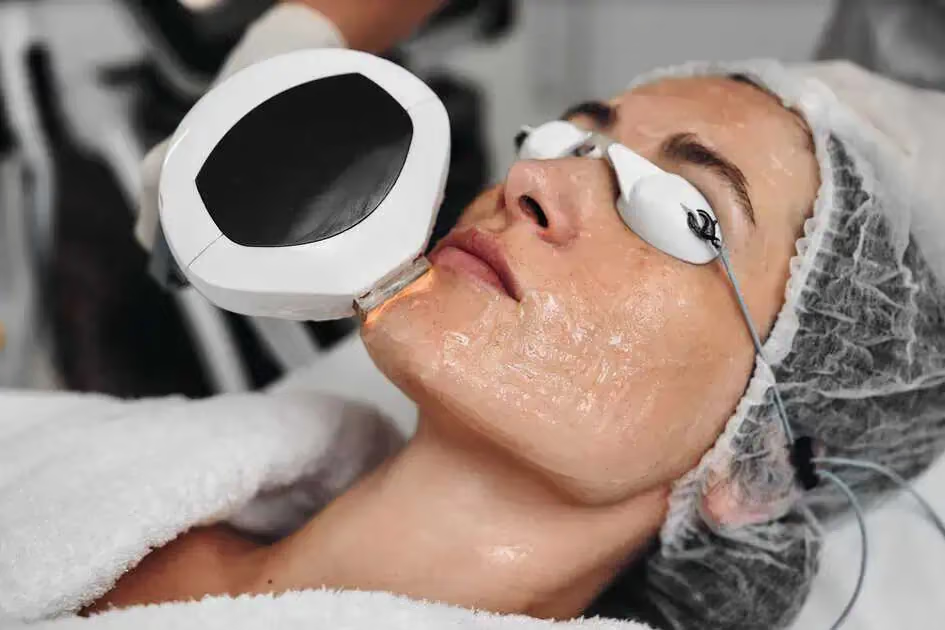
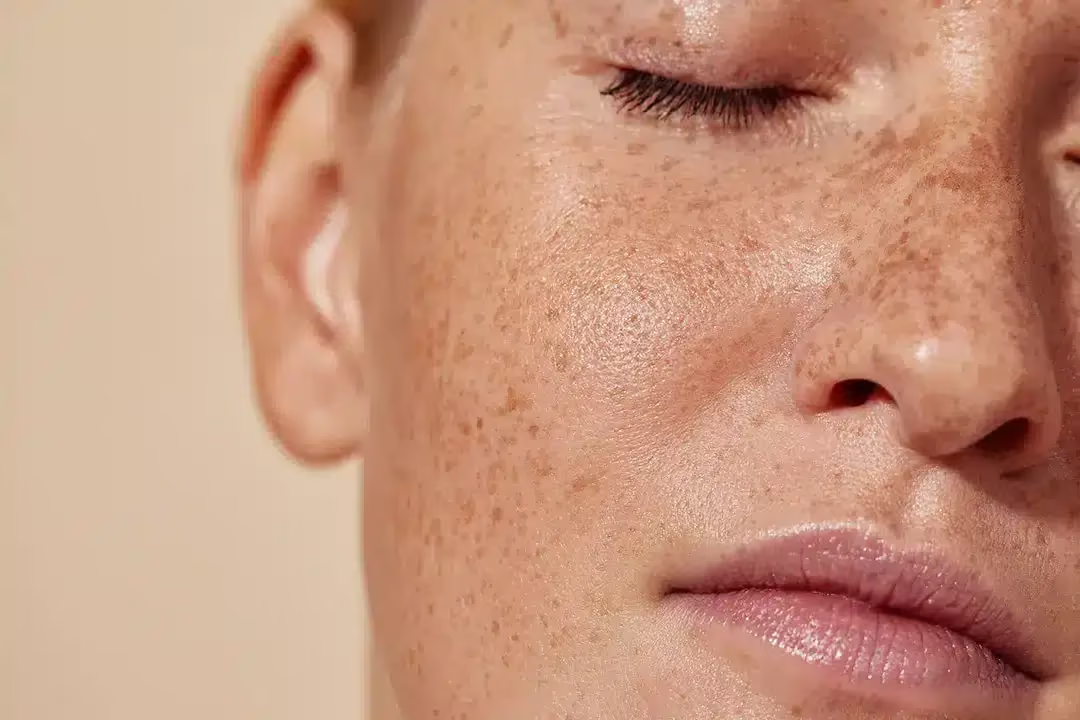
Sun spots, also called solar lentigines or age spots, are the most common pattern. They are flat brown spots that develop from cumulative sun exposure, usually on the face, chest, hands, and forearms. Sun spots respond well to topical hydroquinone, vitamin C, retinoids, and in-office treatments like cryotherapy, chemical peels, IPL, and pigment-specific lasers. For most patients, a combination approach over three to six months produces significant fading.
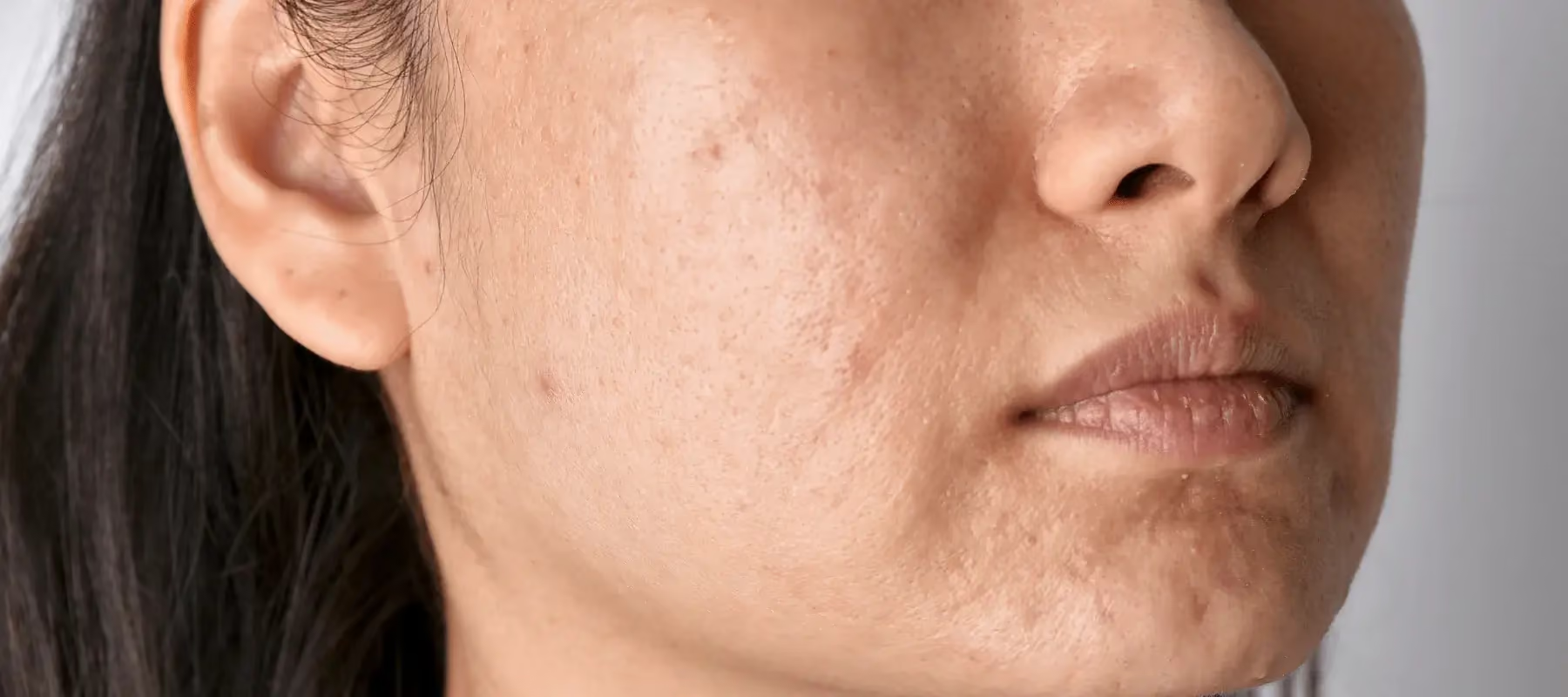
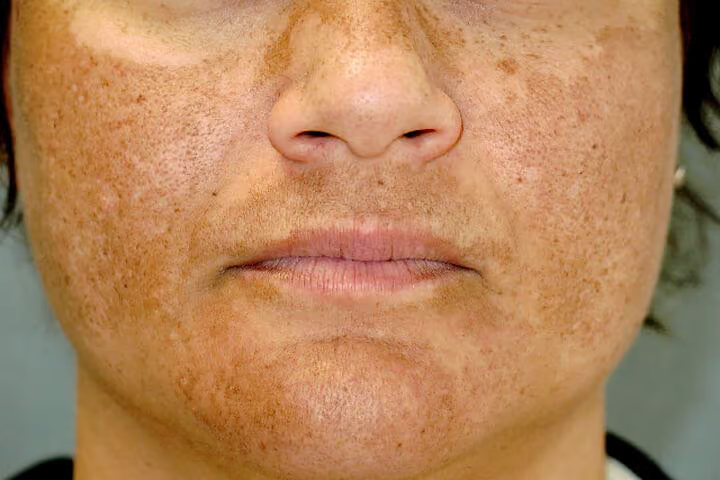
Melasma is more complicated. It causes symmetric brown patches, usually on the cheeks, forehead, and upper lip. It affects women more than men, often worsens during pregnancy or with hormonal contraceptives, and flares with any sun exposure. Melasma responds to topical treatment with hydroquinone, tranexamic acid orally or topically, azelaic acid, and other brighteners. It also responds to superficial chemical peels. Aggressive lasers often backfire in melasma and can worsen pigmentation, so we are conservative with laser approaches. Sun protection is non-negotiable, because even brief UV exposure can set progress back by weeks. We recommend a tinted mineral sunscreen because the iron oxides in tinted sunscreens block visible light, which triggers melasma even through glass and indoors under bright light.
Post-inflammatory hyperpigmentation is the brown or red flat marks left behind after inflammation, usually from acne, an eczema flare, or a minor injury. It is especially common in darker skin tones. This pattern will eventually fade on its own over months to years, but topical retinoids, vitamin C, niacinamide, and azelaic acid all speed the process up significantly. Sunscreen is essential because UV exposure darkens these marks further.
Some patients have more than one pattern at the same time. An older patient might have both sun spots and some melasma on the cheeks. A patient with acne might have post-inflammatory marks on top of underlying melasma. The plan accounts for all of what is present.
Oral tranexamic acid is worth mentioning specifically. It is an older medication that has been increasingly used for melasma because it works from the inside to reduce pigment production. For moderate or stubborn melasma, adding a three-month course of tranexamic acid to topical treatment often produces meaningful additional improvement. We discuss whether it fits your medical history before starting.
Finally, recurrence is expected with melasma. Without ongoing maintenance treatment and strict sun protection, most patients see pigmentation return during the next summer. The patients who keep their results are the patients who stick with a maintenance regimen year-round.
Book this visit if you have brown patches on the cheeks, forehead, or upper lip that darken in summer. If you have individual dark spots from years of sun exposure. If old acne spots left behind brown or red marks that are not fading. If over-the-counter brightening products have not worked. If melasma appeared during pregnancy or with birth control and has not resolved.
It is also the right visit if you tried a treatment that seemed to make pigmentation worse, which happens with certain aggressive lasers or peels in melasma-prone skin.
Melasma, sun damage, and post-inflammatory pigmentation all need different approaches. We diagnose the pattern on the first visit, which avoids months of treatment that does not work.
No pigmentation plan works without serious sun protection. We prescribe the sunscreen routine that gives the best results, and we explain why tinted mineral sunscreens outperform untinted for melasma specifically.
Aggressive lasers can worsen melasma. Our providers know which laser and IPL settings are safe for which skin types and which patterns, and we do not use tools that might make your pigmentation worse.
Your provider starts by identifying the specific type of pigmentation you have. Melasma has characteristic patterns that distinguish it from sun spots or post-inflammatory pigmentation. We examine your skin under good light, sometimes with a Wood's lamp that helps distinguish epidermal pigment from deeper dermal pigment.
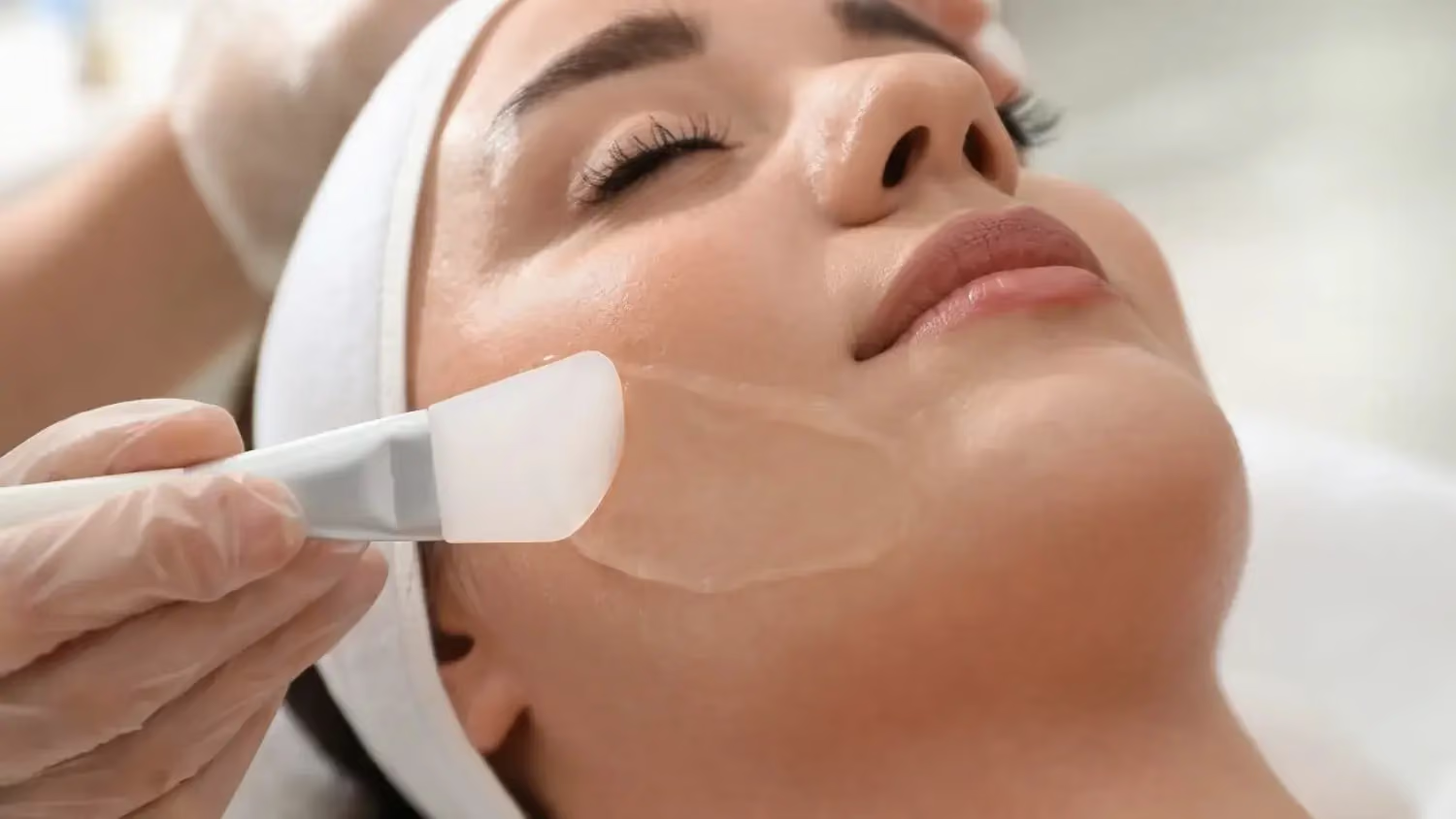
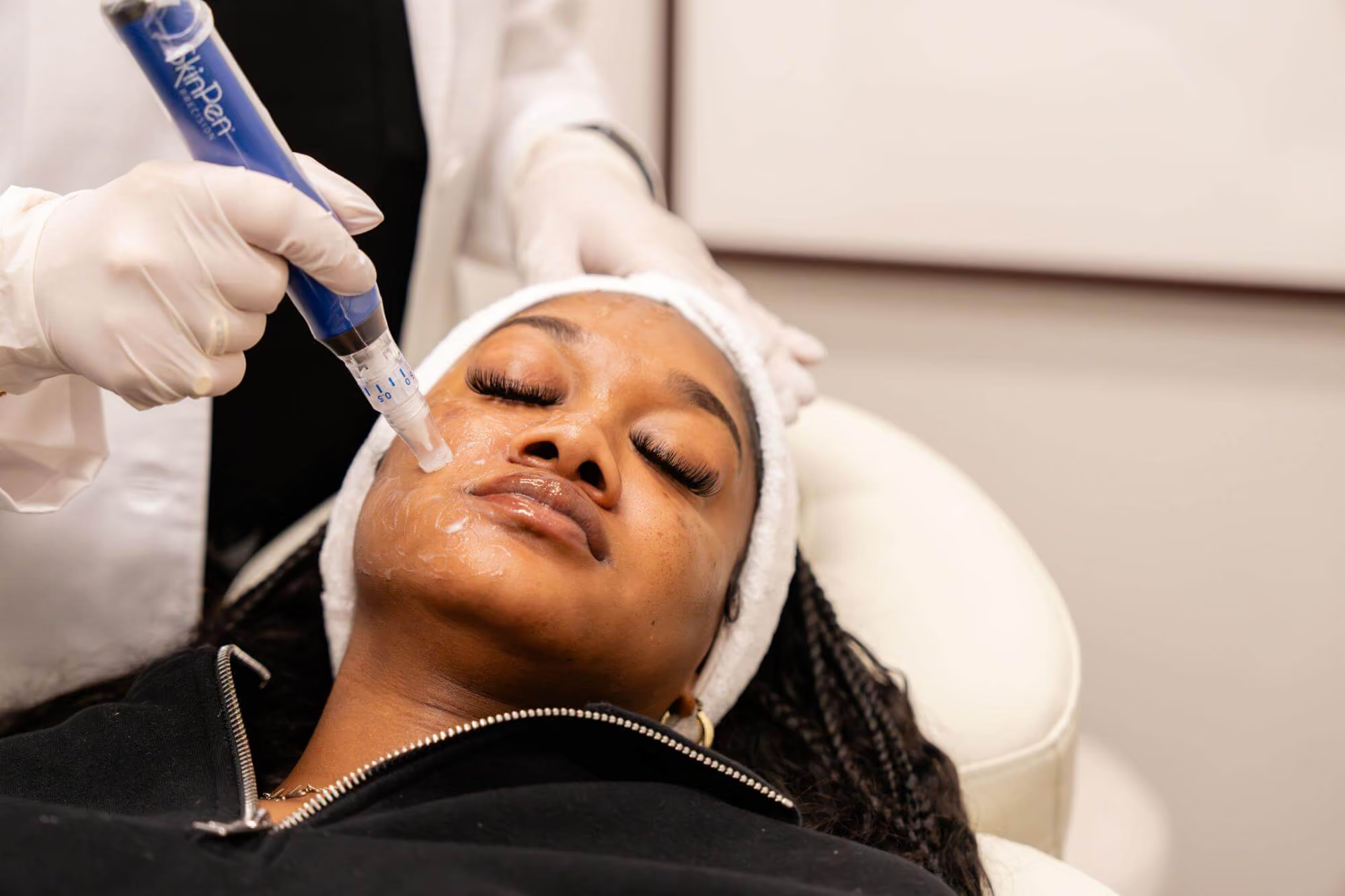
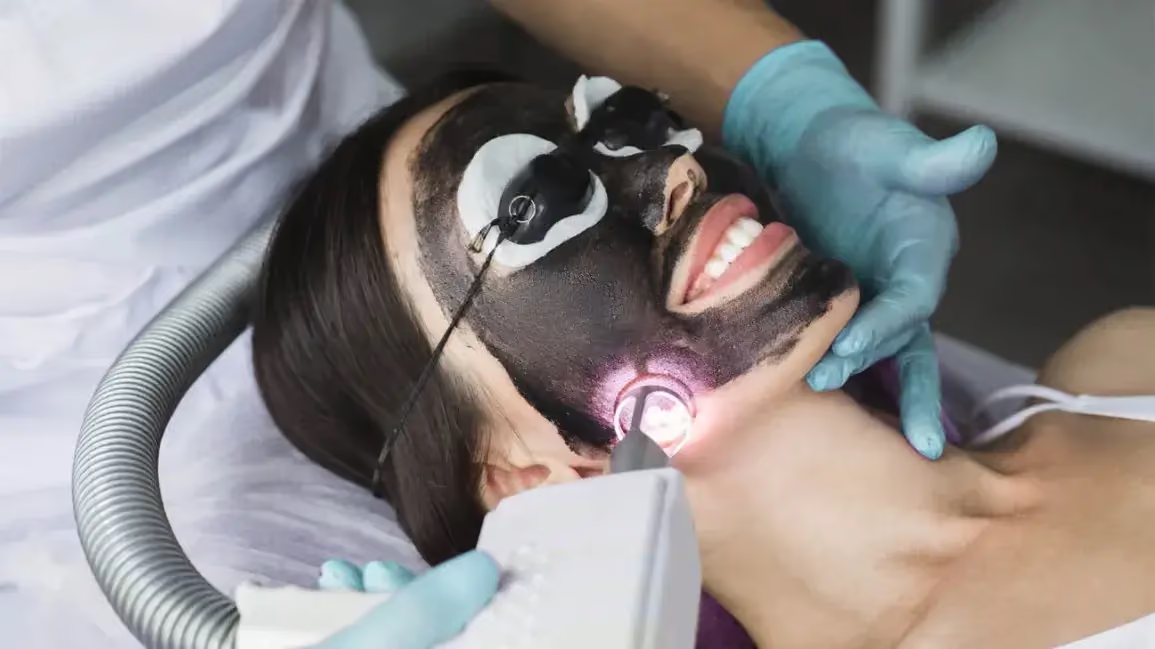
The plan usually starts with topical treatments combined with a strict sun protection routine. Common topicals include hydroquinone, tranexamic acid, azelaic acid, retinoids, vitamin C, and newer non-hydroquinone brightening options. The plan may also include a series of superficial chemical peels or, for stubborn cases, carefully chosen laser or IPL treatments.
Follow-up is typically at two months to assess response and decide next steps. Most patients continue on a maintenance plan to prevent recurrence.
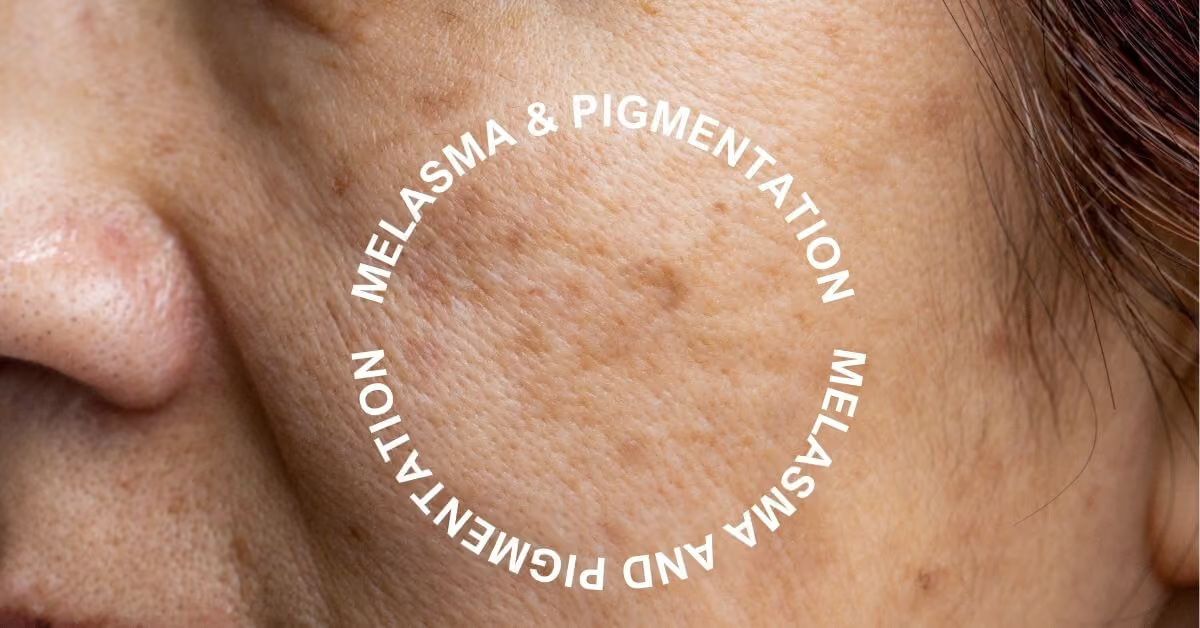
Most patients see visible fading within eight to twelve weeks. Full results often take four to six months, especially for melasma. Consistency with both topicals and sun protection matters more than aggressive treatment.
Some gentle lasers can help melasma when used carefully, but aggressive lasers often worsen it. Our providers will discuss whether laser fits your case or whether topicals and peels are a better starting point.
Sun exposure is the biggest driver of pigmentation in most patterns. For melasma specifically, even visible light through a window can darken pigmentation. Daily tinted mineral sunscreen, reapplied midday, is the single most important habit.
Melasma that starts in pregnancy often fades over six to twelve months after delivery, but it does not always resolve completely. If it lingers, it responds to the same treatments as other melasma.
Yes, though it is less common. Men with melasma follow the same treatment principles as women, and we see men for this regularly.
Please give us a call and we will be happy to answer all your questions or concerns you may have.