Chronic conditions need a strategy. We build one that keeps your skin calm between flares.
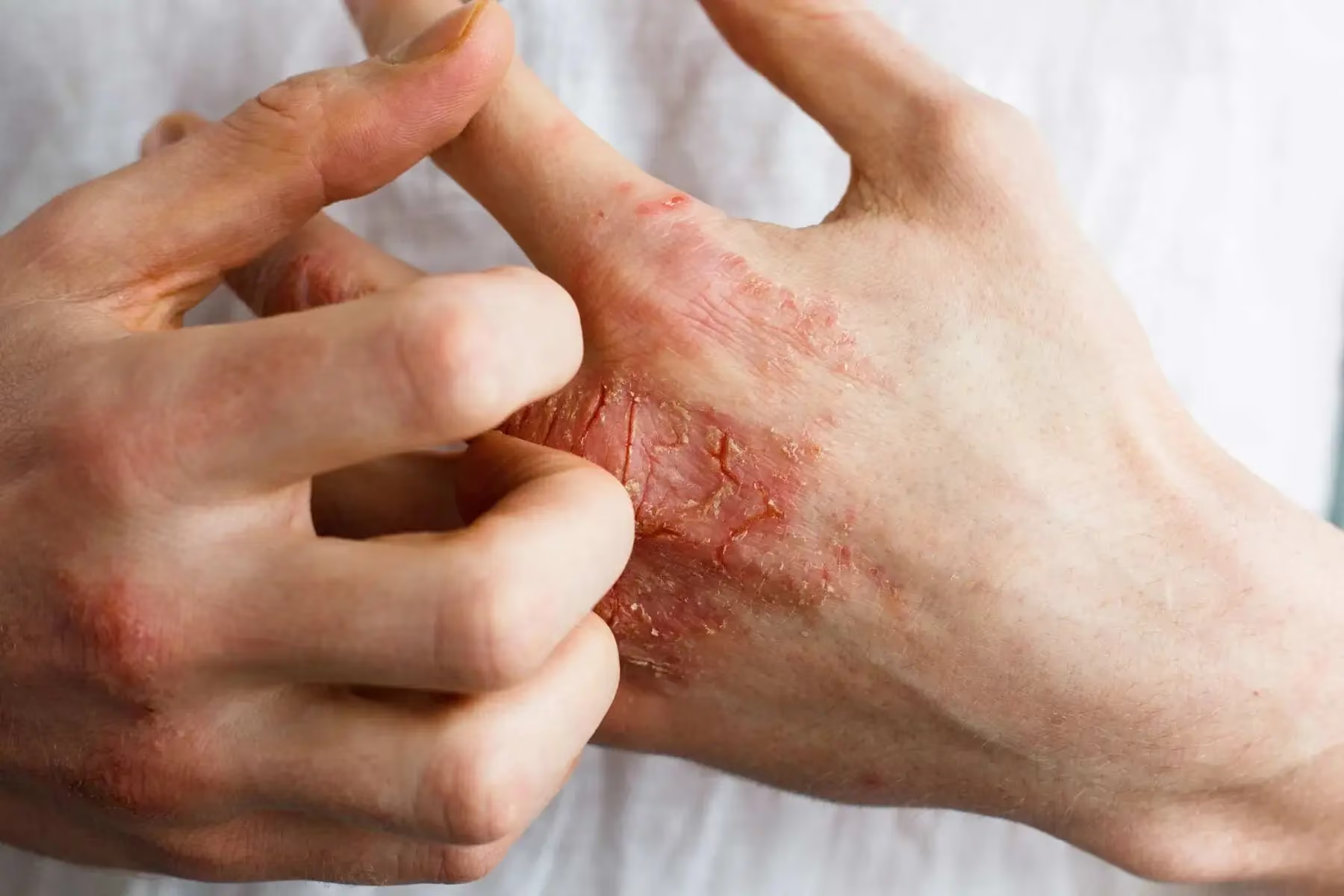
Eczema and psoriasis are both chronic, inflammatory skin conditions. They cannot be cured, but they can be managed so that flares are shorter, less intense, and less frequent. The key is a treatment plan that is built for the long term, not a rotating series of short-term steroid creams.
We see patients with every severity of eczema and psoriasis, from mild cases that respond to a good routine, to severe cases that require biologic medication or phototherapy. The plan is matched to your case, your preferences, and how aggressive you want to be.

Both conditions are chronic, which is the part that sinks in slowly for most patients. There is no end date. The goal is not to reach a point where you never use any treatment, it is to reach a point where you know exactly what to do and you do not have to think about it much. Patients who accept the chronic nature of the disease and build a steady routine have the best long-term outcomes.
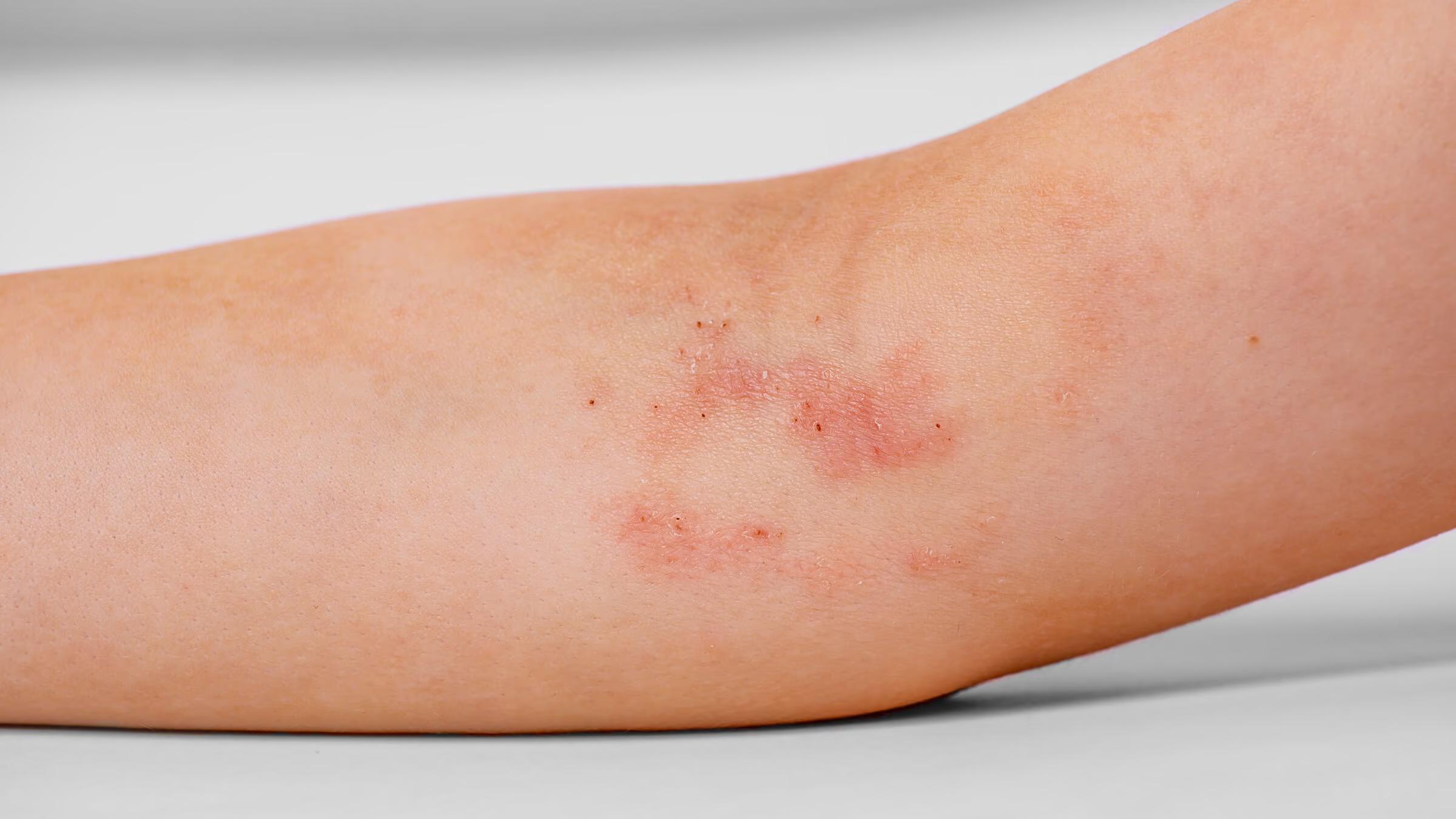
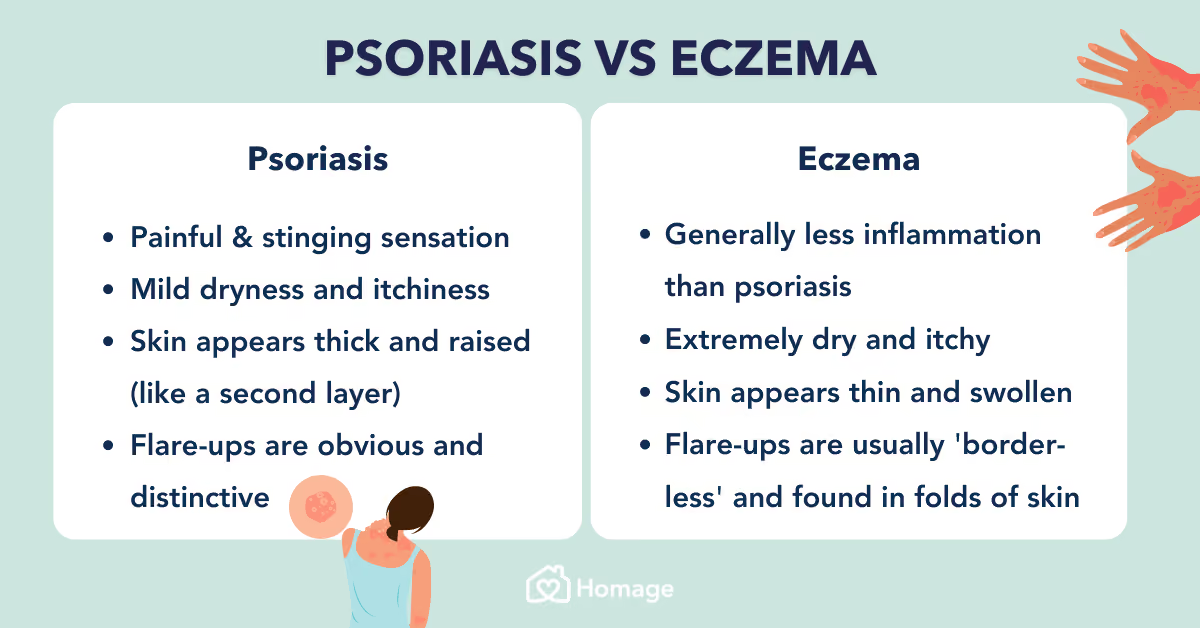
For eczema, the foundation is the skin barrier. Eczema skin is drier and more permeable than healthy skin, which means irritants and allergens get in more easily and inflammation flares. A thick, fragrance-free moisturizer applied at least twice daily is the single highest-leverage thing you can do, even when your skin looks fine. During flares, we add a topical steroid or a non-steroid option like tacrolimus or crisaborole depending on the area and severity. For moderate to severe eczema that does not respond to topicals, dupilumab is often life-changing. It is an injection every two weeks that has been shown to dramatically reduce itch and clear skin in most patients.
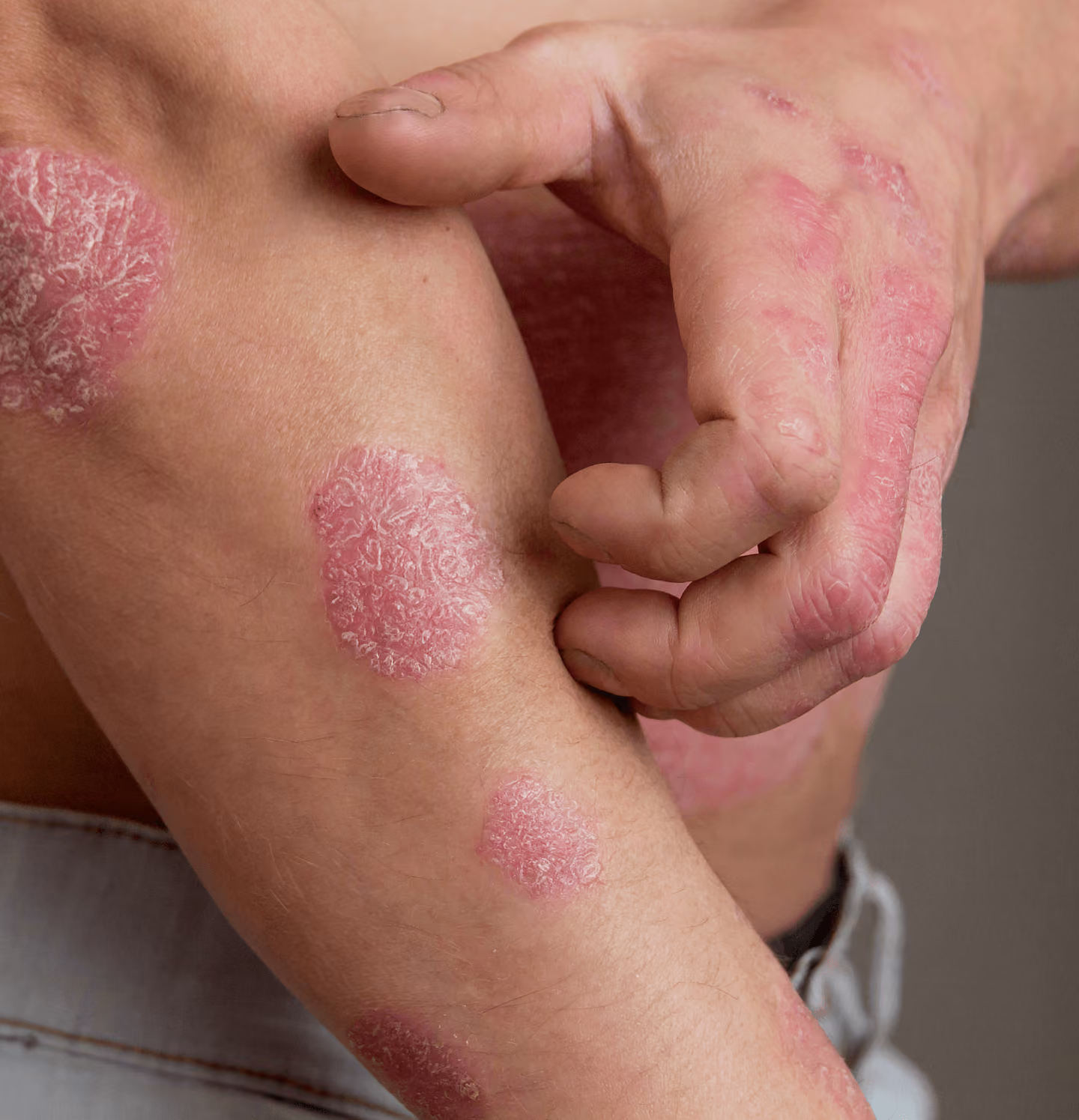
For psoriasis, the picture is slightly different. Psoriasis is driven by an overactive immune response that causes skin cells to turn over too quickly, leading to thick scaly plaques. Mild psoriasis responds well to topical treatments including steroids, vitamin D analogs, and newer non-steroid creams. Scalp psoriasis benefits from medicated shampoos and targeted topicals.
For moderate to severe psoriasis, systemic options are very effective. Biologics like adalimumab, ustekinumab, ixekizumab, risankizumab, and guselkumab work by targeting specific immune pathways and can clear skin completely for most patients who try them. They are prescribed through a specialty pharmacy, require baseline labs and monitoring, and are typically covered by insurance for patients who meet criteria.
Phototherapy with narrow-band UVB is another effective option for both conditions, especially for patients who prefer non-medication approaches. It involves brief sessions under controlled UV light two or three times a week for two to three months. Several of our offices offer phototherapy on site.
Finally, both eczema and psoriasis are associated with mental health impacts that are underappreciated. Chronic itch, chronic visible skin changes, and the ongoing management of a disease that never fully goes away all take a toll. If that resonates, mention it during your visit. We have referral partners for therapy and can coordinate care with your primary care doctor or psychiatrist when useful.
Book this visit if your eczema or psoriasis has flared more than twice in the last year, if topical steroids are not holding the skin calm, if you are tired of rotating between steroid creams with no long-term plan, or if your skin is affecting sleep, work, or daily life. It is also the right visit if you have a new diagnosis and want to build a care plan from the start.
We see eczema in babies, children, teens, and adults. We see psoriasis from mild scalp cases to severe plaque disease covering large areas of the body. Both conditions benefit from a dermatologist-guided long-term plan.
Every patient leaves with a written plan for what to do when the skin starts to flare. Which product to add, when to message us, and when to come in. Having a plan in hand cuts flare duration significantly.
Our providers routinely prescribe biologics for both eczema and psoriasis. We handle insurance authorizations, specialty pharmacy coordination, and ongoing monitoring without the patient having to drive the process.
Several of our offices offer narrow-band UVB phototherapy, which is a safe and effective option for both conditions and for patients who prefer not to use systemic medication.
At the first visit, we get a full history. How long you have had it, what triggers flares, what has worked and not worked, whether there is a family history, and what current medications or treatments you are on. Then we examine affected areas and grade severity using standardized scales we track visit over visit.
The plan usually has two parts. A daily maintenance routine that keeps skin stable, and a flare-response plan for when the condition gets worse. Maintenance varies based on the condition and severity, from twice-daily barrier cream to prescription topicals used several times a week. Flare response usually includes a stronger prescription topical and sometimes an oral medication.
For moderate or severe cases, we discuss systemic options. For eczema, that includes dupilumab and other biologics. For psoriasis, it includes a wide range of biologics, oral medications, and phototherapy. These work well for patients who have not gotten adequate control with topicals alone.
Hydrocortisone works for mild flares on small areas, but it is not strong enough for most eczema or psoriasis cases, and long-term use on the face or in skin folds can thin the skin. A prescription topical matched to the area and severity usually works better and is safer over time.
Biologics are well-studied and have a good safety record for both eczema and psoriasis. They work by targeting specific parts of the immune system and require baseline labs before starting plus periodic monitoring. For the right patient, they are transformative.
Most insurance plans cover biologics when the patient meets clinical criteria, which usually means moderate to severe disease that has not responded to topicals. Our team handles the authorization process and specialty pharmacy coordination.
For a subset of eczema patients, specific food allergies can trigger flares, and we can refer for allergy testing when warranted. For most adult eczema and psoriasis, diet changes help less than people assume. We do not recommend restrictive diets without evidence they help you specifically.
For patients on topicals, we typically see you at three months, then every six to twelve months if things are stable. For patients on biologics, we follow a monitoring schedule that usually involves a visit every three to six months plus periodic labs.
Please give us a call and we will be happy to answer all your questions or concerns you may have.