Nail Disorders

Expert Treatment for Fungal Infections and Nail Problems

Medical Dermatology
Overview

Nail disorders affect millions of people and range from cosmetic concerns to painful infections. Onychomycosis (nail fungus) is the most common nail condition, accounting for approximately half of all nail problems. Ingrown nails cause significant discomfort and can lead to infection. Psoriatic nail changes, dystrophy, and other conditions require proper diagnosis and treatment to restore healthy nails. At Cleaver Dermatology and Aesthetics, our expert dermatologists across nine North Georgia locations including Cumming, Alpharetta, Johns Creek, Canton, Gainesville, Dawsonville, Dahlonega, Toccoa, and Lavonia provide comprehensive evaluation and effective treatment for all nail disorders.

Early treatment of nail infections prevents complications and improves outcomes. Our dermatologists utilize both oral and topical antifungal medications, advanced laser therapy, and surgical techniques when needed to restore healthy nails.

Contact Cleaver Dermatology at (770) 800-3455 to schedule a nail disorder consultation.

Common Symptoms

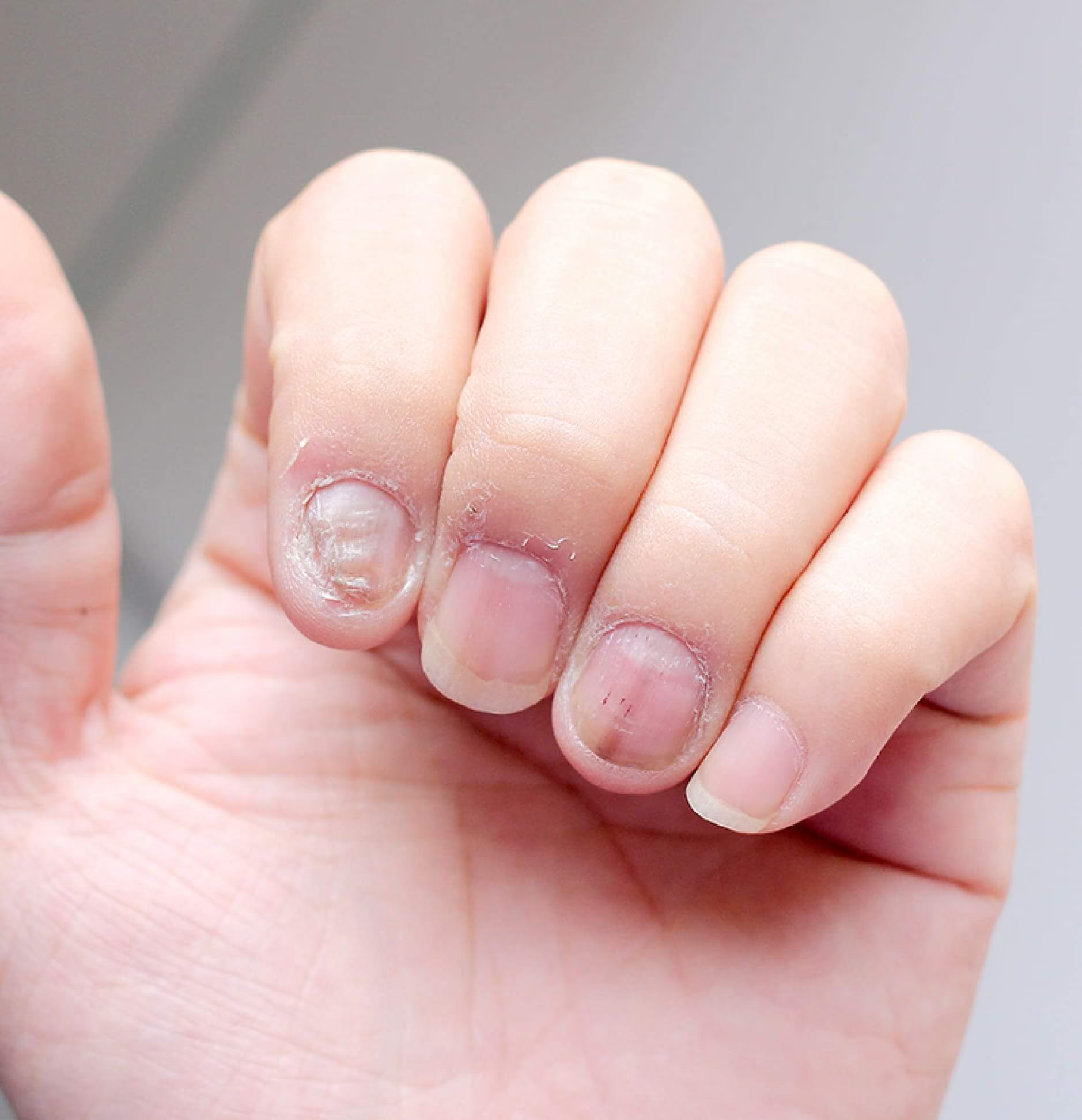
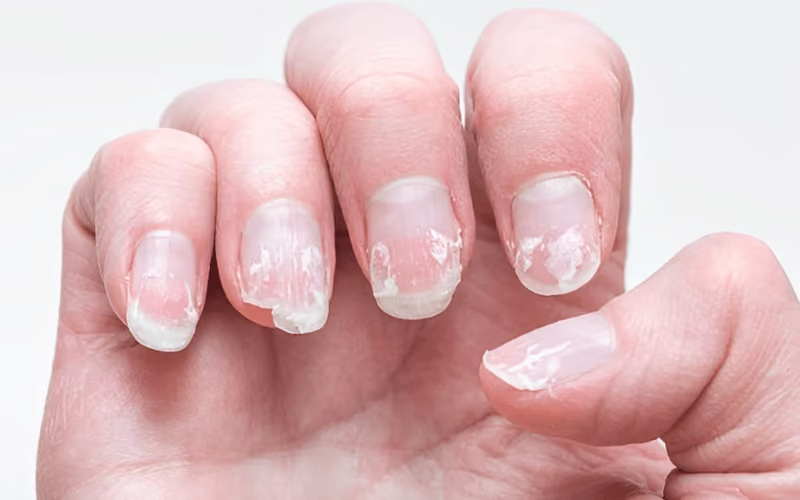
Onychomycosis (nail fungus) presents as thickened, brittle nails with discoloration ranging from yellow to brown to white, along with a crumbly texture and nail separation from the nail bed. Ingrown nails cause pain, redness, and swelling along the nail edges, with drainage or pus if infected. Psoriatic nails show pitting, thickening, discoloration, and nail separation, often accompanied by skin symptoms. Other nail dystrophy may present as ridging, splitting, peeling, or brittleness. Across these conditions, patients may experience pain or tenderness, particularly with ingrown nails. Difficulty wearing certain shoes or performing daily activities is common, as is cosmetic concern affecting self-confidence.

Common Causes

Onychomycosis results from fungal infection by dermatophytes, non-dermatophytes, or yeasts, and is more common in warm, moist environments. Ingrown nails develop from improper nail trimming, tight shoes, nail injury, or curved nail growth patterns. Psoriatic nails stem from psoriasis affecting the nail matrix, and skin psoriasis often accompanies nail involvement. Age and immunosuppression increase fungal infection risk, as does diabetes, which increases infection susceptibility. Nail trauma or damage, prolonged moisture exposure (common in swimmers and healthcare workers), and nail salon visits with inadequately sterilized tools all contribute to nail disorders.

Treatment Options

Oral antifungal medications including terbinafine and itraconazole are effective for moderate to severe onychomycosis. Terbinafine (Lamisil) has higher cure rates, and treatment duration is typically 6 to 12 weeks depending on the medication and severity. Topical antifungal medications like efinaconazole (Jublia), which is FDA-approved for toenail fungus and shows good penetration, and ciclopirox (Penlac) work best for mild to moderate fungal infections or as adjunct therapy.

Specialized laser treatments, such as 1064-nanometer Nd.YAG laser, eliminate fungal infections with minimal side effects, though multiple sessions are often needed for good cosmetic outcomes. Chemical ablation or surgical removal of the infected nail plate allows topical antifungal application directly to the nail bed and is effective for severe cases or treatment failures. For ingrown nails, conservative management with proper trimming and padding may help, though partial or complete nail plate removal is necessary if conservative measures fail. Intralesional corticosteroid injections into the nail matrix may reduce inflammation and pitting for psoriatic nails.

What to Expect During Treatment

Nail disorder treatment varies by condition and severity. For fungal infections, oral medications require 6-12 weeks of treatment with periodic monitoring. Topical medications are applied daily and may require 6-12 months of consistent use. Laser therapy sessions take 15-30 minutes, most patients require 3-4 sessions spaced 4-6 weeks apart. Results from any treatment take time because nails grow slowly. Healthy nail replacement is visible only after 3-6 months as the new growth emerges from the cuticle.

Ingrown nail procedures are quick office visits under local anesthesia. Recovery is typically quick with minimal discomfort, though activities should be modified for 1-2 weeks.

When to See a Dermatologist

You should see a dermatologist if you notice discoloration, thickening, or damage to your nails, or if nail fungus is suspected since early treatment improves outcomes significantly. Ingrown nails causing pain or recurring infections warrant professional evaluation. If nails are separating from the nail bed or if you have psoriasis affecting your nails, professional care is important. If home remedies or over-the-counter treatments haven't worked or if nail problems are affecting your quality of life or causing discomfort, seek expert help.

The dermatologists at Cleaver Dermatology can quickly diagnose your nail disorder and recommend the most effective treatment. Call (770) 800-3455 today.

Prevention and Self-Care

Keep nails clean and trimmed straight across without cutting too short. Control moisture by keeping feet dry and changing socks if they become damp, while avoiding prolonged water exposure. Wear breathable, well-fitting shoes that don't cause nail trauma. Choose reputable nail salons with proper sterilization, or consider bringing your own tools. Wear shower shoes in gyms, pools, and communal bathing areas to protect against fungal exposure. Be careful not to injure nails and trim cautiously to prevent ingrown nails. Control underlying conditions such as diabetes and psoriasis, as these increase nail disorder risk. Finally, ensure adequate protein, zinc, and biotin in your diet for optimal nail health.

FAQs

How long does it take to cure nail fungus?

Nail fungus requires 6-12 weeks of oral antifungal treatment, though visible improvement may take 3-6 months as healthy nail grows from the cuticle. Complete cure with full cosmetic improvement may take 6-12 months depending on the extent of infection. Topical treatments require even longer, often 6-12 months of daily application.

Is nail fungus contagious?

Nail fungus can spread to other nails or other people through direct contact or shared items like nail files or nail clippers. However, transmission risk is relatively low. Keeping nails clean and dry, and not sharing nail care tools, reduces transmission risk.

Can over-the-counter antifungal treatments cure nail fungus?

Over-the-counter topical antifungals have limited effectiveness for nail fungus, particularly for thick or infected nail beds. Prescription-strength topicals like efinaconazole are more effective. For moderate to severe fungal infections, oral prescription medications or laser therapy provide better cure rates.

How are ingrown nails treated?

Mild ingrown nails may improve with conservative care. Soaking in warm water, proper trimming, and padding. If pain persists or infections recur, partial or complete nail plate removal under local anesthesia provides permanent resolution. Recovery is quick with minimal discomfort.

Will my nails look normal after treatment?

Yes, as healthy nail grows from the cuticle to replace damaged nail, appearance returns to normal. This process takes several months because nails grow slowly. Once fully grown in, nails treated for fungus or psoriasis should appear completely normal.

Menu