Molluscum Contagiosum

Effective Treatment for Viral Skin Infection

Medical Dermatology
Overview

Molluscum contagiosum is a common, benign viral skin infection caused by a poxvirus. It produces small, smooth, dome-shaped bumps with a tiny central dimple and is most common in children, although adults can develop it as well. The condition spreads through skin-to-skin contact, shared towels, and contaminated surfaces, and in adults often through sexual contact when lesions appear in the genital area.

Molluscum is harmless and usually clears on its own within six to twelve months in healthy children, although individual bumps can last that long and the spread can outpace the resolution. Treatment shortens the course, reduces transmission to siblings and classmates, and addresses cosmetic concern. The first FDA-approved topical treatment for molluscum, berdazimer gel, became available in 2024 and adds another option to the toolkit.

At Cleaver Dermatology and Aesthetics, our board-certified dermatologists treat molluscum in children and adults at all nine of our offices across North Georgia and Metro Atlanta, with an approach that prioritizes comfort, especially for our youngest patients.

Common Symptoms

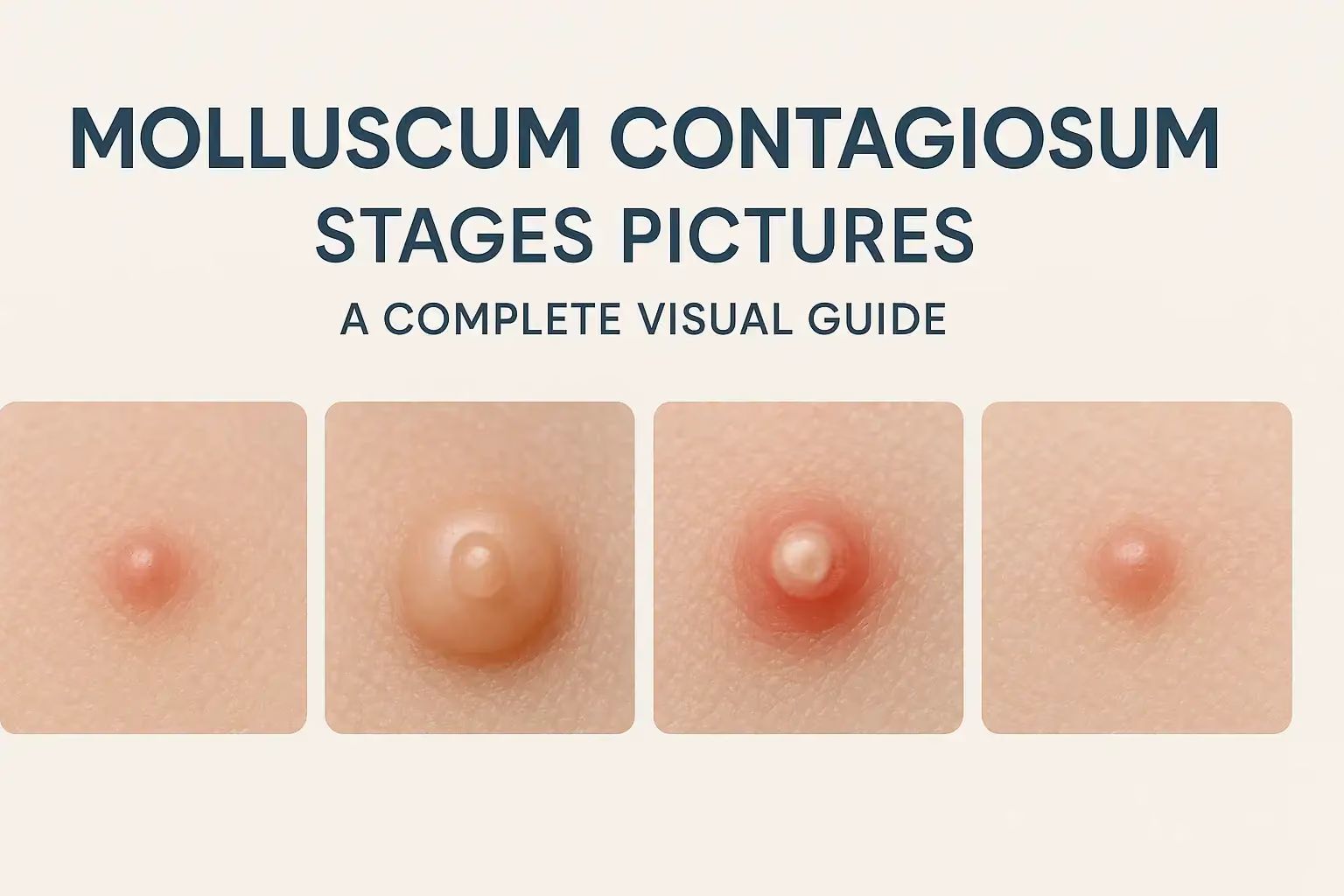
The classic lesion is a small (one to five millimeters), firm, dome-shaped, flesh-colored or pearly white bump with a tiny central indentation, called central umbilication. Lesions usually appear in clusters, often on the trunk, armpits, neck, arms, legs, and groin. In children they may involve the face. In adults with sexually transmitted disease, lesions appear on the genitals, lower abdomen, and inner thighs.

The bumps are usually painless but can become red, swollen, and crusty as they near resolution; this BOTE sign (beginning of the end) signals immune recognition and is a good thing despite looking worse. Surrounding eczema-like patches are common, especially in children with atopic dermatitis, and scratching spreads the virus to new sites through auto-inoculation.

Common Causes

Molluscum contagiosum virus, a member of the poxvirus family, infects the top layer of skin and produces the bumps. Transmission happens through direct skin contact, shared towels, sponges, wrestling mats, and pool toys, and through sexual contact in adults. The incubation period is two weeks to six months, so children can pick it up well before parents notice anything.

Children with eczema are more susceptible because their skin barrier is impaired and scratching spreads the virus widely. People with weakened immune systems, including those with HIV or on immunosuppressive therapy, can develop large numbers of lesions, sometimes very large ones, that are harder to clear and may need more aggressive treatment.

Treatment Options

Cantharidin (beetle juice) is a topical agent applied in the office to individual lesions. It raises a controlled blister beneath each bump that lifts it off over the next several days. Application is painless, which makes it the most child-friendly option. Treatment is usually repeated every three to four weeks until the lesions clear.

Curettage uses a small spoon-shaped instrument to scrape lesions away after numbing cream, and is fast and effective for older children and adults but can be uncomfortable. Cryotherapy with liquid nitrogen is another in-office option. Topical retinoids such as tretinoin or tazarotene, imiquimod, and salicylic acid are sometimes used for slow-resolving cases. Berdazimer 10.3 percent gel (Zelsuvmi) is the newest FDA-approved topical, applied at home daily for up to twelve weeks.

For adults with genital molluscum, treatment options include cryotherapy, curettage, cantharidin, and topical agents, and we discuss screening for other sexually transmitted infections and partner notification. For immunosuppressed patients with extensive disease, additional treatments and addressing the underlying immune status are part of the plan.

Many parents elect to treat itchy or eczema-related lesions, those in visible areas, or those that are spreading, while watchful waiting is reasonable for a small number of lesions in a comfortable child without classroom or sibling spread issues.

What to Expect During Treatment

For children, we make the visit as comfortable as possible. Cantharidin is painless to apply, and we let parents know what to expect: small blisters develop within 24 hours, the bumps look worse before they look better, and we cover the treated area for four to six hours afterward. We schedule follow-up every three to four weeks until the lesions are gone, which usually means three to five visits.

For adults receiving curettage, lesions are numbed with topical anesthetic cream applied 30 to 60 minutes ahead of time, then removed in a few minutes. Mild redness and small scabs heal over a week.

New molluscum lesions can appear during treatment because of the long incubation period, so extra sessions are sometimes needed. Once the immune system recognizes the virus, all lesions tend to resolve over a few weeks. Avoid swim lessons, contact sports, and shared baths during active infection to limit spread.

When to See a Dermatologist

Make an appointment if your child has bumps that fit the description and they are spreading, itchy, near the eyes, or causing concern in childcare or school. Adults should be seen for any new genital bumps, for atypical or unusually large lesions, or if lesions are not resolving after a few months.

People with weakened immune systems should be seen promptly because more aggressive disease is common and warrants tailored treatment.

Prevention and Self-Care

Limit skin-to-skin contact while lesions are present. Cover lesions with clothing or a bandage during sports and swim lessons, do not share towels, washcloths, or razors, and have each family member use their own bath toys and sponges. Treat eczema actively, since intact skin is much harder for the virus to enter and scratching is what spreads it most.

Avoid picking, popping, or scratching the bumps, which spreads virus to new sites. After treated lesions resolve, watch for new ones over the following weeks because of the long incubation period. Regular hand washing, especially after touching affected skin, helps limit spread to other parts of the body and to other people.

FAQs

Is molluscum contagiosum dangerous?

Molluscum contagiosum is not dangerous or life-threatening. It is a benign viral infection that does not cause serious health complications. The main concerns are cosmetic appearance and the potential for spread to other body areas or other people through contact.

Will molluscum contagiosum go away on its own?

Yes, molluscum contagiosum is self-limiting and will eventually resolve without treatment. However, this process typically takes 6-12 months or longer, and new lesions may appear during this time. Professional treatment significantly accelerates healing.

Can adults get molluscum contagiosum?

Yes, while more common in children, adults can contract molluscum contagiosum. Adults may acquire the infection through sexual contact or through contact with infected individuals. The diagnosis and treatment approaches are similar to those used in children.

How long does treatment take?

Professional treatment is quick. Cantharidin application takes just minutes, as does cryotherapy. Most patients see visible improvement within 1-2 weeks. Complete resolution of all lesions may require 2-4 weeks or multiple treatment sessions depending on the extent of infection.

Can I catch molluscum contagiosum from someone with the infection?

Yes, molluscum contagiosum is contagious and spreads through direct skin contact or contact with contaminated items. If you have been exposed to someone with molluscum contagiosum, monitor yourself for symptoms and see a dermatologist if bumps appear.

Menu