Hives & Urticaria Treatment

Relief from Acute and Chronic Hives at Cleaver Dermatology and Aesthetics

Medical Dermatology
Overview

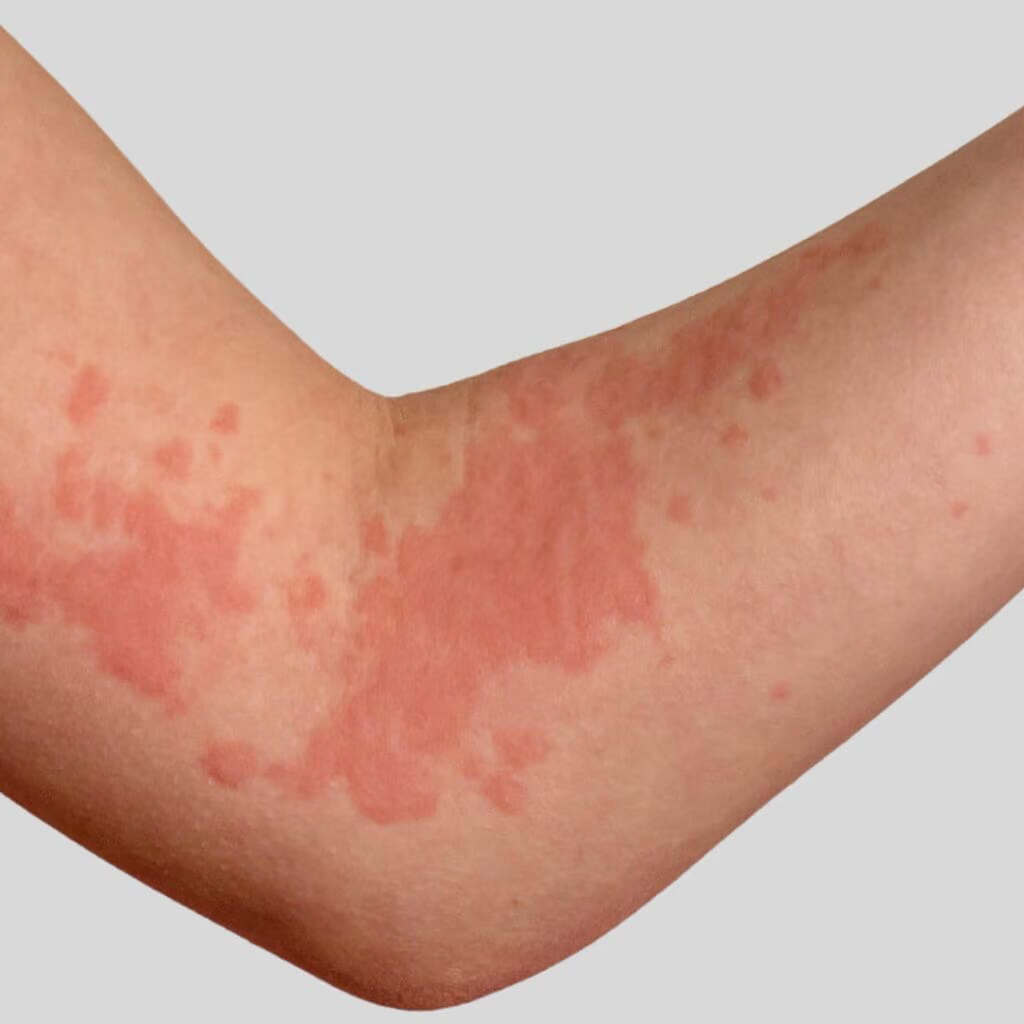
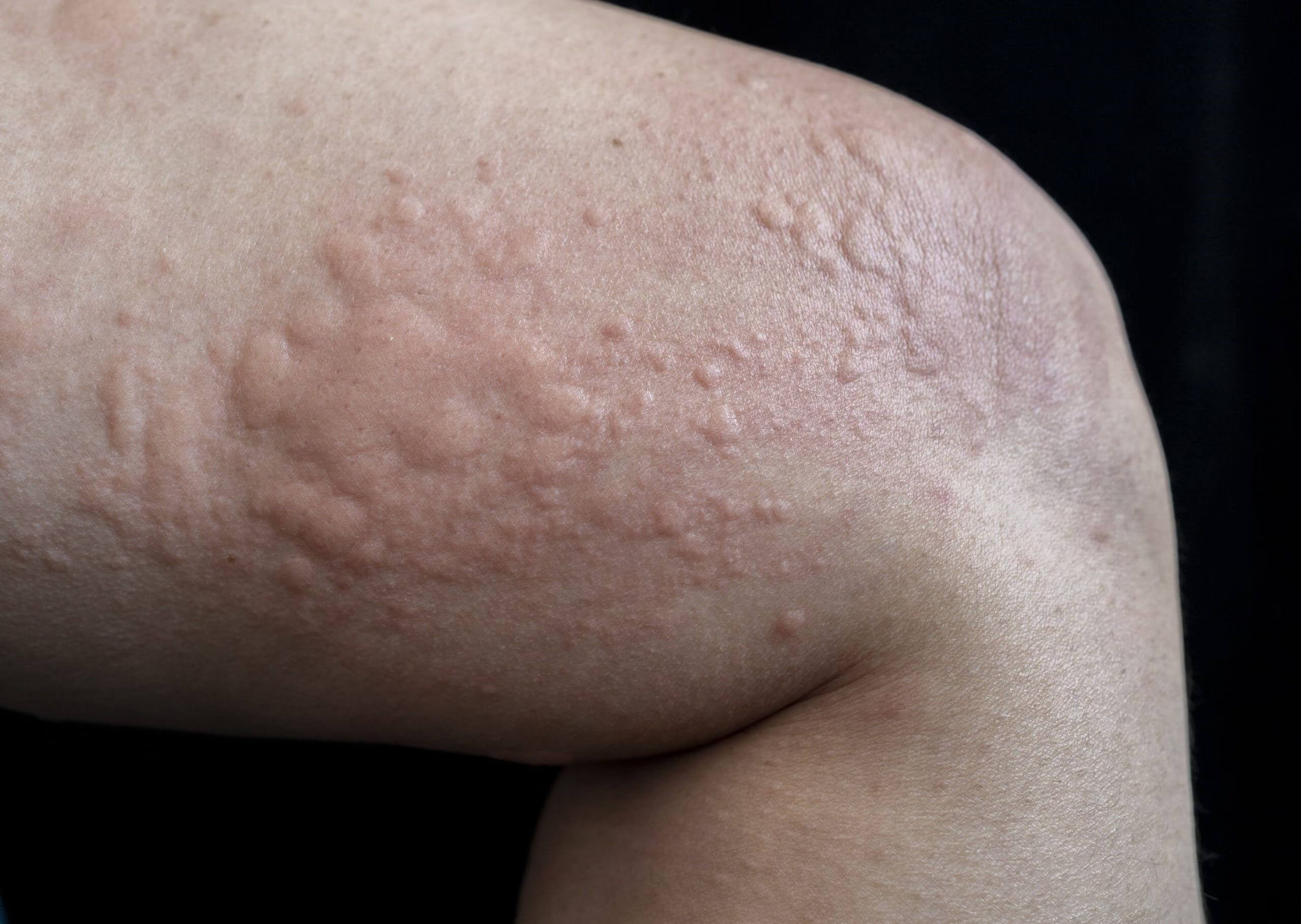
Hives, medically called urticaria, are itchy, raised, often pink or red welts on the skin that appear suddenly and typically resolve within minutes to hours, only to reappear elsewhere. About 20 percent of people experience hives at some point in life. Acute urticaria lasts less than six weeks and is often triggered by an infection, food, or medication. Chronic urticaria lasts six weeks or longer and is most often spontaneous, meaning no specific trigger is identified.

Hives can also occur with deeper swelling called angioedema, which affects the lips, eyes, tongue, hands, and feet. Most hives, while uncomfortable, are not dangerous, but rare cases with throat or tongue swelling and breathing difficulty constitute anaphylaxis and require emergency care.

At Cleaver Dermatology and Aesthetics, our board-certified dermatologists evaluate and treat acute and chronic urticaria at all nine of our offices in North Georgia and Metro Atlanta. The majority of patients with chronic hives can be brought to good control, and treatment options have expanded with biologics targeting IgE and other inflammatory pathways.

Common Symptoms

The classic hive is a smooth, raised, itchy welt called a wheal, often pink or red on lighter skin and slightly darker on skin of color, with a paler center and a surrounding flare. Wheals vary from a few millimeters to several centimeters and can merge into larger plaques. The defining feature is that any individual hive resolves within 24 hours, even though new ones may be appearing as old ones fade. If a single welt lasts more than 24 hours or leaves a bruise behind, that suggests urticarial vasculitis rather than ordinary urticaria and requires further evaluation.

Angioedema appears as deeper, less itchy, sometimes painful swelling of the lips, eyelids, tongue, hands, feet, or genitals, and typically lasts longer than surface hives. Specific physical urticarias have characteristic patterns: dermographism (welts where skin is scratched or rubbed), cholinergic urticaria (small itchy hives with sweating, exercise, or hot showers), cold urticaria (welts after cold exposure), pressure urticaria (welts under tight clothing or after sustained pressure), and solar urticaria (welts after sun exposure).

Common Causes

Acute hives are commonly triggered by infections (especially viral upper respiratory illnesses), foods (peanuts, tree nuts, shellfish, eggs, milk, soy, wheat), medications (antibiotics, NSAIDs, ACE inhibitors, opiates), insect stings, and contact with latex or other allergens. The trigger is often easier to identify in acute cases.

Chronic spontaneous urticaria is the most common form of long-lasting hives, and despite its name, it is increasingly recognized as autoimmune in many patients, with autoantibodies against the IgE receptor on mast cells. Other contributors include thyroid autoimmunity, chronic infections, certain hormonal influences, and rarely, internal disease. Despite extensive evaluation, a specific cause is not found in roughly half of patients with chronic urticaria. The good news is that treatment effectiveness does not depend on knowing the trigger.

Treatment Options

Second-generation, non-sedating H1 antihistamines are first-line treatment. Cetirizine, loratadine, fexofenadine, and levocetirizine at standard doses control symptoms in some patients. If standard dosing is insufficient, current guidelines support increasing the dose up to four times the standard amount before moving on. This off-label dose escalation is well tolerated and controls many cases that fail at standard doses.

Add-on treatments include H2 blockers such as famotidine, leukotriene receptor antagonists such as montelukast, and short courses of oral steroids reserved for severe acute flares. Long-term oral steroids are avoided because of side effects and because better options now exist.

For chronic spontaneous urticaria not controlled by high-dose antihistamines, omalizumab (Xolair), an anti-IgE biologic given as a monthly injection, is FDA-approved and works in roughly two-thirds of patients, often within four to twelve weeks. Newer biologics including dupilumab and remibrutinib are being used or studied. For physical urticarias, identifying and avoiding the specific trigger is part of management.

Patients with a history of throat swelling, tongue swelling, or anaphylaxis should carry an epinephrine auto-injector and have a clear emergency action plan.

What to Expect During Treatment

Your first visit includes a careful history of when hives started, how long individual hives last, what makes them worse, and any history of angioedema or breathing or swallowing symptoms. We may order targeted blood work, which often includes CBC, thyroid function, and ESR or CRP, to screen for autoimmune and inflammatory conditions. Routine extensive allergy testing is not generally helpful in chronic hives without a clear trigger, despite popular belief.

Most patients begin meaningful relief within one to two weeks of starting or escalating antihistamines. Omalizumab typically begins to work in four to twelve weeks. Expect treatment to continue for at least three to six months once you are clear, with planned step-downs after that to see whether the urticaria has gone quiet. Many patients with chronic urticaria eventually go into remission, although this can take months to years.

Keep a simple log of when hives appear and what you ate, did, or took just before. Patterns are sometimes revealed there.

When to See a Dermatologist

See a dermatologist if hives have lasted more than six weeks, if they are interfering with sleep or work, if standard antihistamines are not enough, or if you also have angioedema. Individual welts that last more than 24 hours, leave bruises, or are painful rather than itchy warrant biopsy to rule out urticarial vasculitis.

Call 911 or go to the emergency department for swelling of the throat or tongue, difficulty breathing or swallowing, fainting, or rapidly spreading swelling after an exposure. After acute anaphylaxis, follow up with us so we can put a long-term plan and an emergency action plan in place.

Prevention and Self-Care

Avoid known triggers when you can. Stop NSAIDs (ibuprofen, naproxen, aspirin) during a flare, since they worsen hives in many patients, and use acetaminophen instead. Limit alcohol, hot showers, and tight clothing during flares, which can all worsen wheals. Keep cool: cool showers, cold compresses, and a fan in the bedroom often help.

Take antihistamines on a daily schedule, not as needed, since they work best when concentrations are steady in the bloodstream. Stress reduction, sleep, and gentle exercise help many patients. If you have angioedema or anaphylaxis history, carry your epinephrine and review the action plan with household members. Bring any medication or product changes to our attention promptly so we can watch for new contributors.

FAQs

What's the difference between acute and chronic urticaria?

Acute urticaria lasts less than 6 weeks and is usually triggered by allergies, infections, or medication reactions. Chronic urticaria persists for 6 weeks or more and may be autoimmune, idiopathic, or triggered by persistent exposure to a trigger like physical stimulation or heat.

Are hives contagious?

No, hives themselves are not contagious. However, if hives are caused by an infection (like viral or bacterial infection), the infection itself may be contagious. Most allergic hives are not transmissible to others.

How long does Xolair treatment take to work?

Xolair is usually given as a monthly injection. Many patients see improvement within the first month or two. Peak effectiveness is typically achieved after 3-6 months of regular treatment. The dose may be adjusted based on your response.

Can I use over-the-counter antihistamines for chronic hives?

OTC antihistamines help some people with mild hives, but chronic urticaria usually requires prescription-strength antihistamines or escalated doses. Our dermatologist can recommend the most effective approach for your situation.

Will my hives go away on their own?

Acute hives often resolve within weeks without treatment. Chronic urticaria may persist for months or years without proper management. With appropriate treatment from a dermatologist, most people with chronic urticaria achieve excellent control and symptom relief.

Menu