Hidradenitis Suppurativa

Advanced Treatment for Chronic Hair Follicle Inflammation

Medical Dermatology
Overview

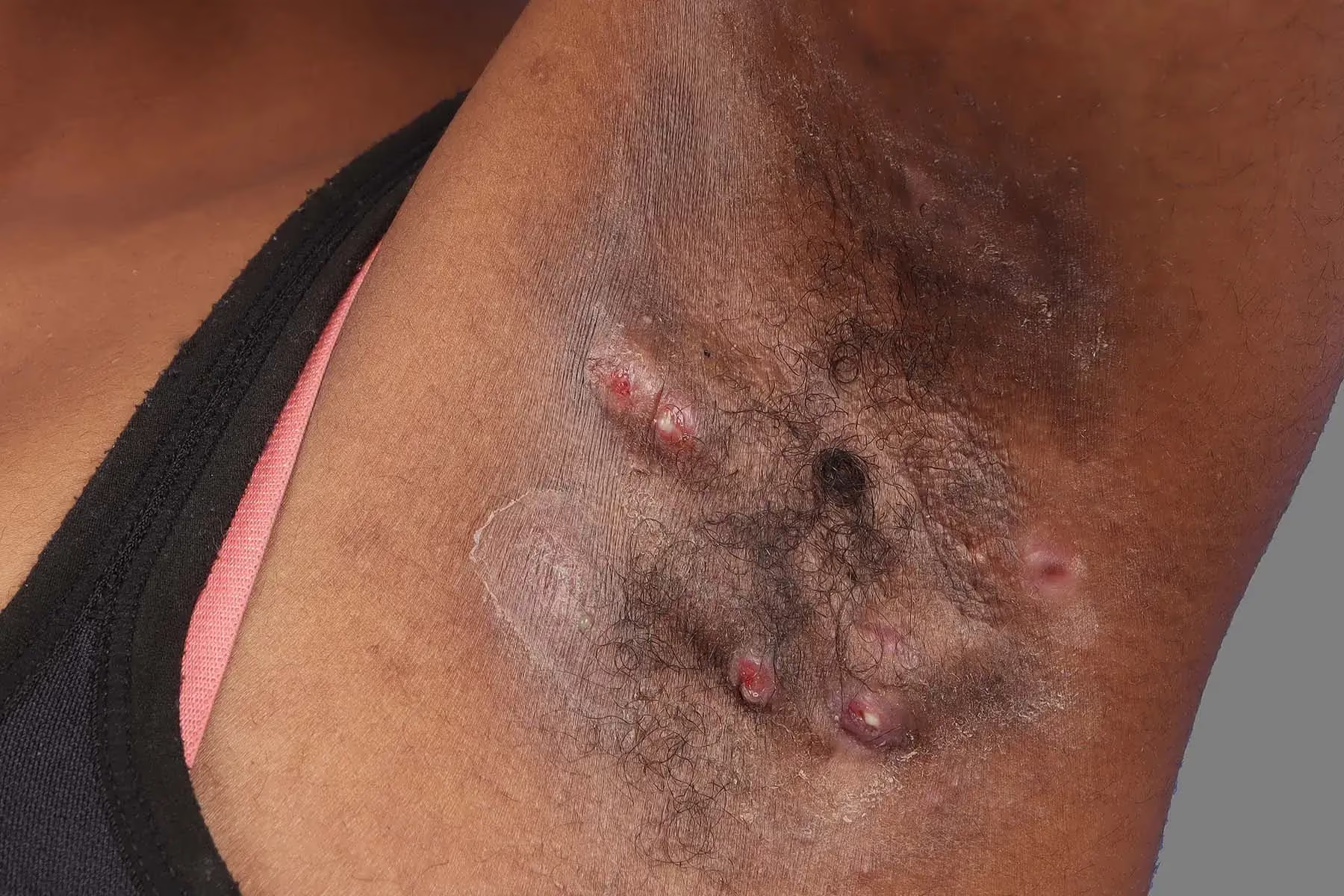
Hidradenitis suppurativa (HS) is a chronic inflammatory skin disease that causes painful nodules, abscesses, and tunneling tracts in areas where skin folds and rubs, most often the underarms, groin, buttocks, and under the breasts. It affects about one to four percent of the population, and is frequently misdiagnosed as recurrent boils or ingrown hairs for years before patients receive the right treatment.

HS is not caused by poor hygiene and it is not contagious. It is a follicular occlusion disorder with strong genetic and immune system components. Untreated HS can lead to deep scarring, persistent drainage, restricted movement, and significant emotional toll. The good news is that effective therapy has expanded dramatically in the last decade, including FDA-approved biologics that meaningfully reduce flares.

At Cleaver Dermatology and Aesthetics, our board-certified dermatologists treat HS at every severity stage across our nine offices in North Georgia and Metro Atlanta, with long-term care plans that combine medical therapy, procedural intervention, and lifestyle support.

Common Symptoms

HS typically begins after puberty with one or two tender, deep red bumps that look like cysts or boils in the armpit or groin. Over time, the lesions return in the same spots, rupture, drain pus or blood-tinged fluid, and either heal slowly with rope-like scars or never fully heal. Many patients describe a foul odor from chronic drainage, which is socially isolating.

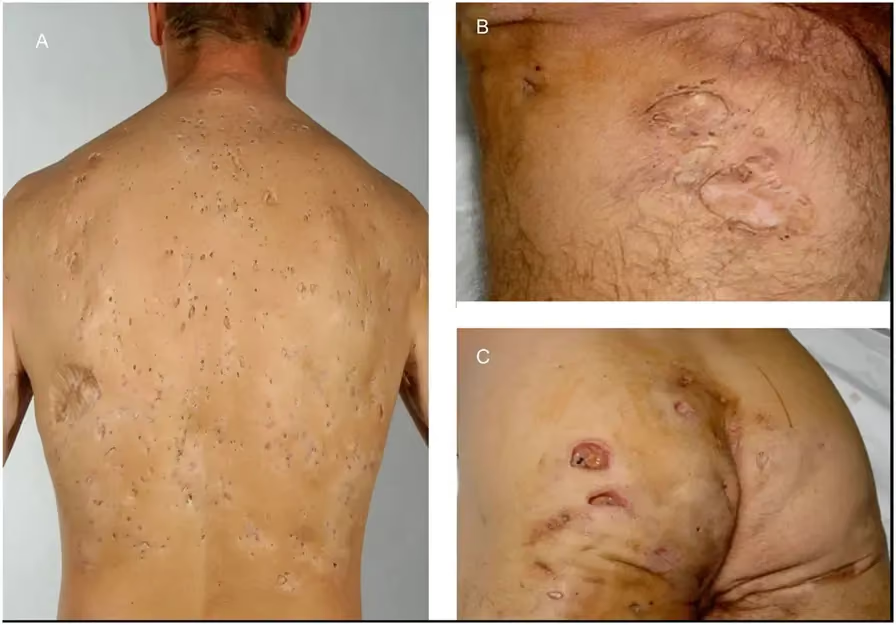
HS is staged using the Hurley system. Hurley Stage I is isolated abscesses without sinus tracts or scarring. Hurley Stage II is recurrent abscesses with one or more sinus tracts and scarring, but separated lesions. Hurley Stage III is widespread involvement with multiple interconnected tracts and extensive scarring. Other clues include double-headed open comedones near affected areas, which are highly suggestive of HS, and disease in similar regions in close relatives.

Common Causes

The root problem in HS is occlusion and rupture of the hair follicle, which spills its contents into the surrounding skin and triggers an intense inflammatory response. Genetics play a significant role and roughly one-third of patients have a relative with the condition. Smoking is the strongest modifiable risk factor and is associated with both onset and severity.

Other contributors include obesity, hormonal influences, mechanical friction, and metabolic syndrome. HS is more common in women than men, and often flares in the week before menstrual periods. It also clusters with other inflammatory conditions, including inflammatory bowel disease, severe acne, and pilonidal disease, which is why screening for those conditions is part of comprehensive care.

Treatment Options

Mild HS is often managed with topical clindamycin, antiseptic washes such as chlorhexidine or benzoyl peroxide wash, and short courses of oral antibiotics. Combination doxycycline, or clindamycin and rifampin, are common first-line oral options. Hormonal therapies such as spironolactone or combined oral contraceptives help many women, particularly when flares track with their cycles.

For moderate to severe HS, biologic therapy has changed outcomes. Adalimumab (Humira) was the first FDA-approved biologic for HS, and secukinumab (Cosentyx) was approved more recently. These injections target the inflammatory pathways that drive the disease and can dramatically reduce abscess and nodule counts. Other biologics including infliximab and IL-23 and JAK inhibitors are used off-label for refractory disease.

Procedural treatment has a clear role. Intralesional triamcinolone injections calm an active flare in days. Incision and drainage can relieve the pressure of an acute abscess, but it is a temporary measure rather than a cure. Definitive procedural options include deroofing of sinus tracts, in which the roof of a tunnel is removed and the base allowed to heal, and wide local excision of severely scarred areas. CO2 laser excision and Nd:YAG laser hair reduction are also useful in selected cases.

Pain control is part of the treatment plan. Long-term opioid therapy is avoided where possible in favor of anti-inflammatory strategies, neuropathic agents, and treatment that actually reduces disease activity.

What to Expect During Treatment

Your first visit includes a careful exam of all the skin folds, even those you have not flagged, because HS often involves more than one site. We map current lesions, sinus tracts, and scarring, and stage your disease using the Hurley system. We also screen for conditions that travel with HS, such as inflammatory bowel disease, depression, and metabolic disease.

Treatment is staged and stepwise. Most patients see noticeable improvement within two to three months of the right combination, but HS is a chronic condition rather than a one-and-done problem, so ongoing maintenance is the norm. We typically follow up every two to three months while titrating therapy, then less often once disease is stable.

Quitting smoking, addressing weight, and managing flares quickly all change the trajectory of the disease. We treat HS as a long-term partnership rather than a series of isolated flare visits.

When to See a Dermatologist

If you have had two or more painful nodules or abscesses in the underarms, groin, buttocks, or under the breasts in the last six months, especially if they recur in the same areas, drain, or leave scars, you likely have HS and need dermatologic care. Recurrent boils that have been incised and drained multiple times deserve a different approach.

Seek care promptly if you are developing tunneling under the skin, restricted movement, or persistent drainage that interferes with daily life. Early treatment lowers the risk of permanent scarring and the disability that comes with advanced disease.

Prevention and Self-Care

Quitting smoking is the single most impactful change for most patients. Working toward and maintaining a healthy weight reduces friction in skin folds and lowers inflammation. Wear loose, breathable cotton clothing in affected areas, and avoid tight elastic bands and synthetic fabrics that trap heat and moisture.

Use gentle, fragrance-free cleansers, and consider antibacterial washes such as chlorhexidine in the shower if your dermatologist recommends one. Warm compresses can ease the discomfort of an early tender nodule. Avoid shaving or waxing in active areas during a flare, since trauma to the skin worsens symptoms. Many patients find counseling, support groups such as the HS Foundation community, and an anti-inflammatory eating pattern helpful as adjuncts to medical treatment.

FAQs

Is hidradenitis suppurativa contagious?

No, HS is not contagious. It is a chronic inflammatory condition caused by immune dysfunction and follicular issues, not by infection or bacteria that can spread to others. However, secondary bacterial infections in the abscesses are common and should be treated promptly.

Can hidradenitis suppurativa go away on its own?

HS is a chronic condition that typically does not resolve without treatment. However, symptoms may improve temporarily during periods of remission. With appropriate medical or surgical intervention, especially biologic therapy and lifestyle modifications, many patients achieve significant symptom improvement or disease remission.

What is the difference between hidradenitis suppurativa and acne or boils?

HS differs from acne and simple boils in that it involves deeper skin structures, creates tunneling tracts beneath the skin, and is chronic and recurrent. HS typically appears in body fold areas and progresses to significant scarring without proper treatment. A dermatologist can confirm diagnosis through examination.

How long does biologic treatment take to work?

Most biologic medications require 8-12 weeks of consistent use before significant improvement is evident. Some patients notice reduction in pain or drainage sooner. Regular follow-up appointments with your dermatologist at Cleaver allow for dose adjustments and treatment optimization.

Will I need surgery if I have hidradenitis suppurativa?

Surgery is not always necessary. Mild to moderate HS can often be managed with antibiotics, biologic therapy, and lifestyle modifications. However, surgical excision may be recommended for localized disease or when conservative treatments fail. Your Cleaver Dermatology and Aesthetics dermatologist will discuss all options.

Menu